

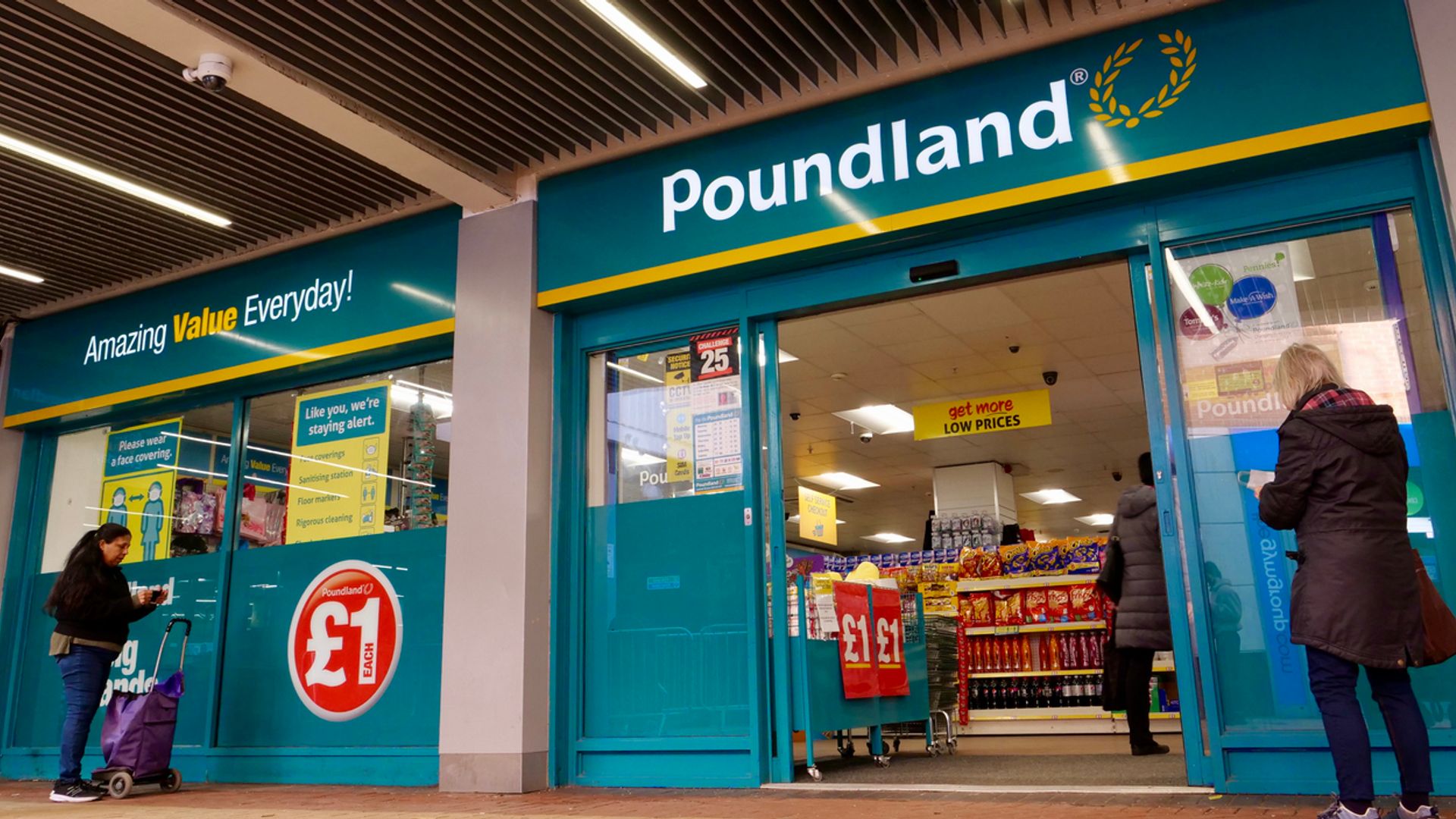
Steinhoff International, the owner of the popular discount retailer Poundland, is reportedly preparing to put the chain up for sale just over a year after acquiring it. This surprising move comes in the wake of significant operational changes, including the closure of up to 200 stores following the takeover.
Background: Steinhoff’s Acquisition and Store Closures
In a deal finalized roughly a year ago, Steinhoff International purchased Poundland, one of the UK’s leading discount retailers known for its wide range of products priced around £1. The acquisition was initially seen as a strategic expansion for Steinhoff into the UK retail market, which has faced growing pressure from online competitors and shifting consumer habits.
However, shortly after the takeover, Steinhoff announced plans to close nearly 200 Poundland stores across the UK. These closures were part of an effort to streamline operations, reduce costs, and improve profitability amid challenging market conditions. The closures impacted numerous local communities where these stores once served as convenient, low-cost shopping hubs.
Why the Sale Is on the Horizon
Now, reports indicate that Steinhoff is exploring options to sell Poundland, signaling a potential retreat from its discount retail ambitions in the UK. This decision raises questions about the future direction of both the company and the discount retail sector more broadly.
The exact reasons driving Steinhoff’s consideration of a sale have not been officially disclosed, but industry experts speculate that the move could stem from ongoing financial pressures and the need to focus on core business areas. The discount retail market remains fiercely competitive, with established players like B&M and The Range, as well as emerging online alternatives, challenging traditional brick-and-mortar models.
Moreover, the pandemic accelerated changes in consumer behavior, with many shoppers shifting towards e-commerce and value-oriented shopping—a trend that has pressured physical stores to adapt rapidly or risk losing market share.
What This Means for Poundland and the Market
If Steinhoff proceeds with the sale, it could open opportunities for new investors or retail groups looking to consolidate their presence in the discount sector. Poundland’s established brand and customer base remain valuable assets, even as the retail landscape evolves.
For consumers, a change in ownership could bring shifts in pricing strategies, store locations, and product offerings. Depending on the new owner’s vision, Poundland might either double down on its discount model or pivot to capture a broader market segment.
From a broader perspective, this development highlights the volatility and rapid shifts within the UK retail industry. Discount retailers have traditionally been resilient during economic downturns, but the combination of digital disruption and changing shopper expectations means they cannot remain complacent.
Looking Ahead: Uncertain Future for Poundland
As Steinhoff evaluates its options, the retail community will be watching closely to see who might step in to acquire Poundland and what strategic changes they might implement. The outcome will have implications not just for the company’s employees and customers but also for the competitive dynamics of the discount retail segment.
While full details about the potential sale remain under wraps, the situation underscores the challenges facing traditional retailers in adapting to a rapidly evolving market. Poundland’s future will hinge on how effectively any new ownership can innovate and respond to the demands of modern consumers.
In summary, Steinhoff’s potential sale of Poundland marks a pivotal moment for the discount chain, reflecting broader trends reshaping the UK retail landscape. The coming months will reveal whether this move revitalizes the brand or leads to further restructuring.