

Every eight minutes, a man in the United Kingdom receives a prostate cancer diagnosis, with over 68,000 new cases identified annually. This alarming rise highlights an urgent public health concern that demands greater awareness and action. A leading cancer charity has stepped forward to debunk common myths surrounding the disease and emphasize the critical need for early detection.
The Surging Numbers: Understanding the Scale of Prostate Cancer in the UK
Prostate cancer stands as one of the most frequently diagnosed cancers among men in the UK. The latest figures reveal that more than 68,000 men face this diagnosis each year, translating to a new case every eight minutes. This sharp increase over recent decades underscores the growing impact prostate cancer has on individuals, families, and healthcare systems nationwide.
Experts attribute the rise to several factors, including an aging population, improved diagnostic techniques, and increased public awareness prompting more men to seek testing. Prostate cancer primarily affects men over 50, with risk escalating as men age. Genetic predispositions, lifestyle elements, and ethnic background also influence susceptibility, making it a multifaceted challenge for the medical community.
Dispelling Dangerous Myths: The Charity’s Call for Clear Information
Despite the prevalence of prostate cancer, misconceptions about the disease persist, often leading to delayed diagnosis and treatment. The charity emphasizes that myths surrounding prostate cancer symptoms, causes, and treatment options contribute to confusion and fear among men.
For example, many men mistakenly believe prostate cancer always presents with obvious symptoms in its early stages, which is not the case. Early prostate cancer often develops silently, making regular screening and awareness of risk factors vital for timely intervention.
Another common myth is that prostate cancer is invariably fatal. While it remains a serious condition, advances in medical treatments, including surgery, radiotherapy, and hormone therapy, have significantly improved survival rates, especially when detected early. The charity urges men to separate fact from fiction and engage in informed discussions with healthcare providers.
Why Early Detection Matters: What Every Man Needs to Know
Early diagnosis of prostate cancer dramatically increases the chances of successful treatment and long-term survival. Men over 50, and those with a family history or belonging to higher-risk ethnic groups, should be particularly vigilant.
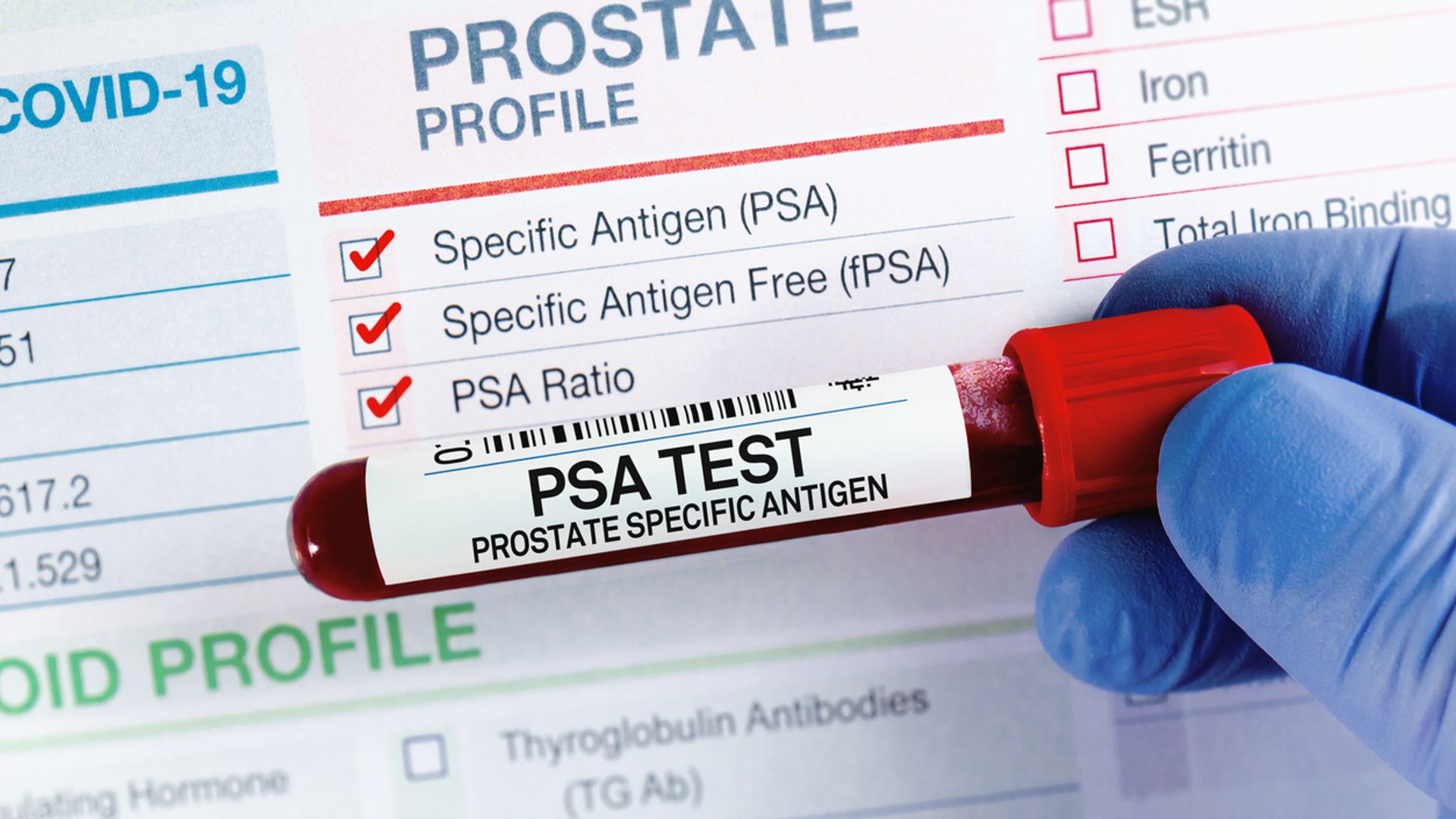
Screening options, such as the prostate-specific antigen (PSA) blood test and digital rectal examination (DRE), play crucial roles in identifying potential cancer before symptoms emerge. While these tests have limitations and require professional interpretation, they remain essential tools in the fight against prostate cancer.
Healthcare professionals encourage men to discuss their risk factors openly and make informed choices about screening. Equally important is understanding that not all prostate cancers require immediate treatment; some cases benefit from active surveillance, minimizing unnecessary interventions while monitoring disease progression.
What This Means for Men Across the UK
The steady increase in prostate cancer diagnoses signals a pressing need for enhanced public education, accessible diagnostic services, and robust support systems for patients and their families. The charity’s call to action aims to empower men with accurate knowledge, encouraging proactive health management and dispelling fears rooted in misinformation.
Addressing prostate cancer effectively requires a multipronged approach—combining awareness campaigns, research funding, and healthcare policy adaptations. By confronting myths head-on and promoting early detection strategies, the UK can improve outcomes and reduce the burden of this prevalent disease.
Men are urged to prioritize their prostate health by consulting medical professionals, understanding their personal risk, and staying informed about the latest developments in prostate cancer care.
As prostate cancer continues to affect tens of thousands each year, knowledge and vigilance remain the strongest defenses. The path forward depends on collective effort—individuals, healthcare providers, and organizations working together to turn the tide against this formidable health challenge.