

Millions of graduates face mounting financial pressure as recent student loan reforms quietly introduced by Rachel Reeves threaten to make repaying higher education debts significantly harder. The changes, which include freezing the earnings threshold for repayments, have ignited widespread anger among young workers and their families, revealing the harsh reality behind the student debt crisis that has been brewing since the early 2010s.
The Roots of the Student Loan Crisis
The controversy centers on the Plan 2 student loans system, launched in 2012 when university tuition fees in England surged to £9,000 per year. These loans, which cover about 80% of the £240 billion student debt in England, have affected nearly five million borrowers so far.
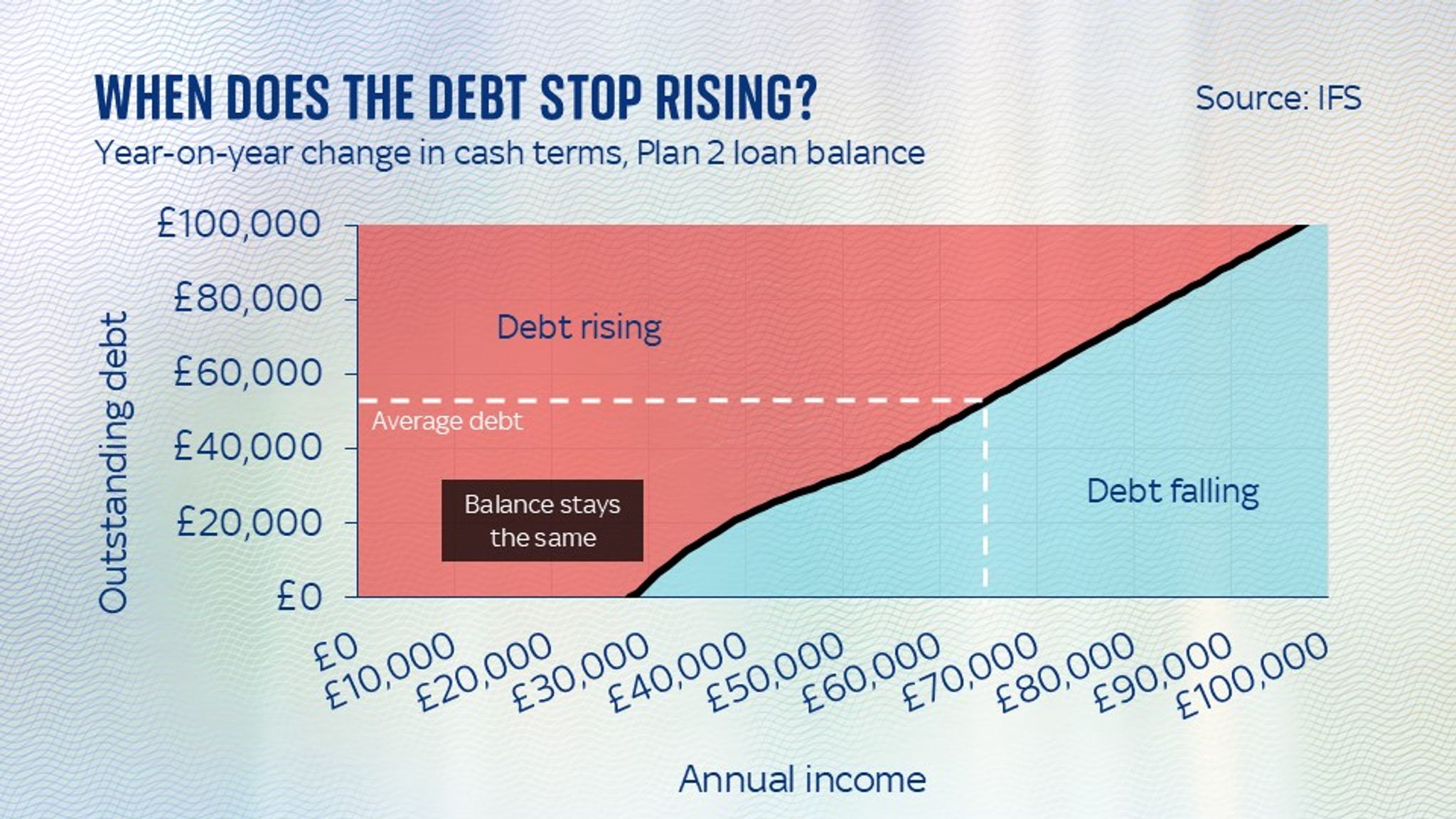
Plan 2 loans require graduates to repay 9% of any income above a threshold just over £29,000 (as of April 2023). Unlike traditional loans, interest accrues at the Retail Price Index (RPI) inflation rate plus up to an additional 3%, depending on earnings. This interest rate structure makes these loans substantially more costly than the older Plan 1 loans, which were based on cheaper inflation measures.
Borrowers benefit from a 30-year write-off policy, meaning any remaining balance after three decades is forgiven. However, the combination of high interest and repayment terms has left many struggling to reduce their debt effectively over time.
Why Freezing the Earnings Threshold Matters
The earnings threshold is a key feature that distinguishes student loans from typical debt. It ensures that borrowers only begin repayments once they surpass a set income level, protecting lower earners from immediate financial strain. However, by freezing this threshold, Reeves’ reforms effectively increase the repayment burden on millions.
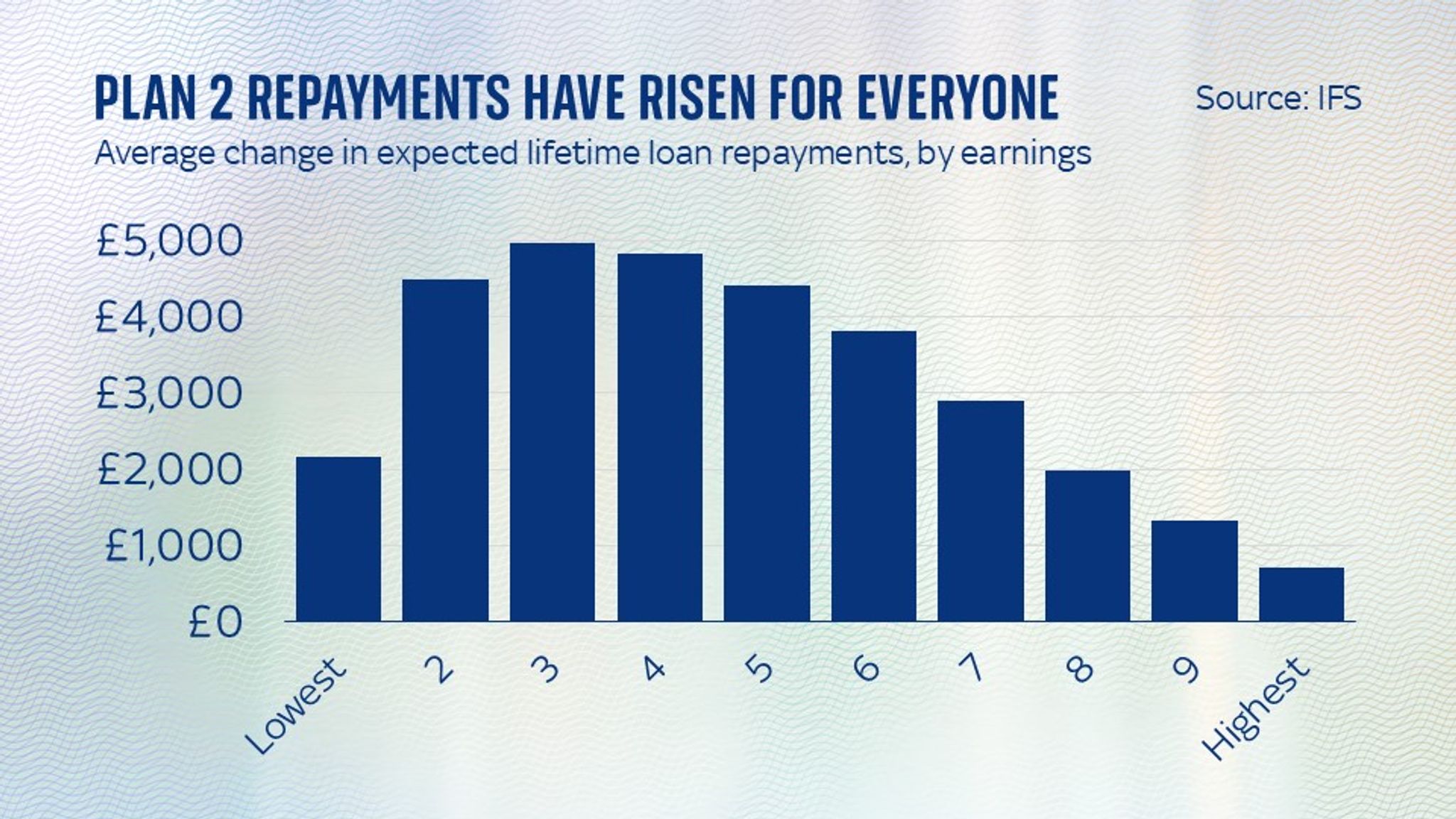
The Institute for Fiscal Studies (IFS) estimates that this freeze will raise the average lifetime repayment by £3,000 per borrower. Lower earners could face increases up to £5,000, while high earners might see a smaller rise of around £700. This disproportionate impact exacerbates existing financial inequalities among graduates.
Adding to the challenge, the interest on student loans is growing faster than many borrowers can repay. Last year alone, £15 billion in interest was added to the total debt, compared to only £5 billion repaid, highlighting the ballooning nature of the debt load.

The Real-World Impact on Graduates
Campaign group Rethink Repayments has modeled how these loan conditions affect borrowers differently. For instance, a low earner starting with £43,000 in debt and an initial salary of £15,000—rising to £85,000 over their career—would repay just £36,000, but have more than £100,000 written off after 30 years due to accumulating interest.
Meanwhile, a medium earner with the same loan but starting at £21,000 and eventually earning £110,000 might repay over £70,000, only reducing their debt in the final years before £90,000 is written off. High earners, with salaries beginning at £27,000 and rising to £142,000, could repay upwards of £120,000 but still not clear the entire balance.
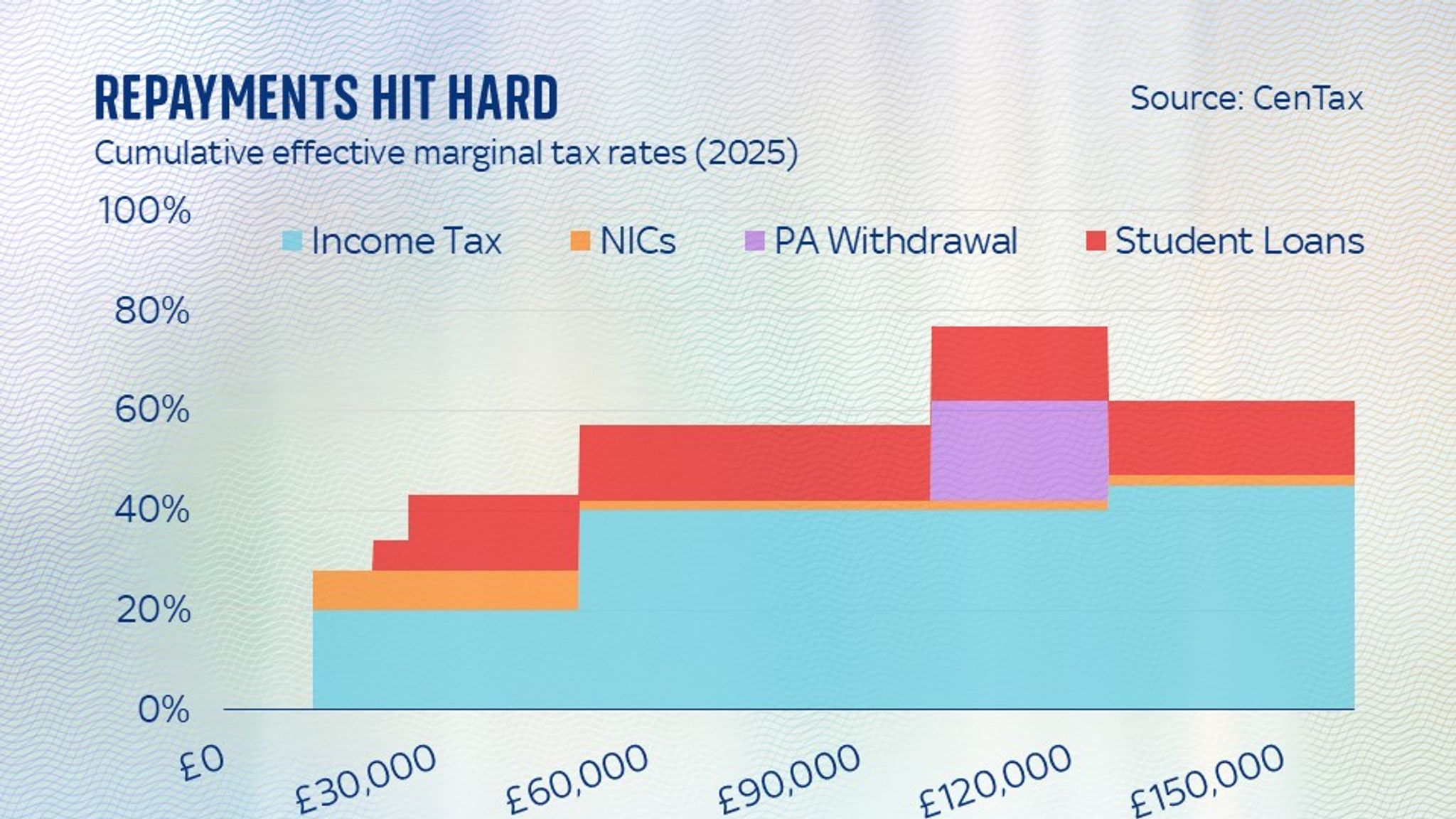
This system often results in what critics call a “graduate tax.” Borrowers face punitive marginal rates, with combined income tax and loan repayments reaching up to 51% once earnings surpass £50,000. This leaves graduates with less than half of their additional income, magnifying financial pressures in an era of soaring housing and childcare costs.
Government Response and Possible Reforms
Despite widespread criticism, the government has defended the changes as “fair.” Prime Minister Rishi Sunak has expressed openness to reviewing the loan system, but no concrete plans or timelines have emerged from the Treasury.
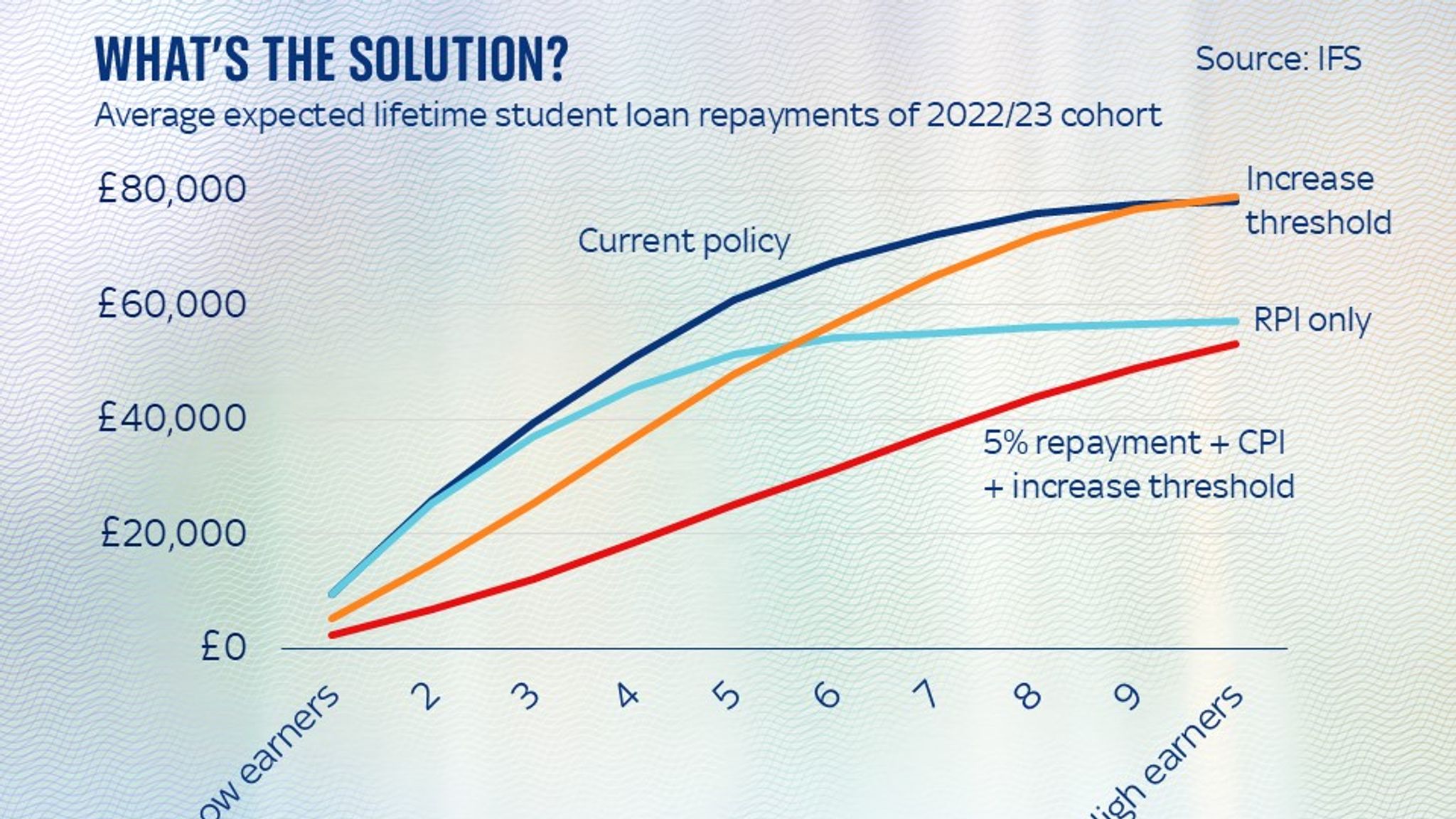
Opposition parties have proposed alternatives. The Conservatives suggest removing the extra 3% interest added to RPI, which wouldn’t reduce immediate payments but would lower overall lifetime costs by an estimated £3 billion. The Liberal Democrats propose raising the earnings threshold in line with average wages, cutting repayments both short and long term, at a £4 billion cost.
Rethink Repayments advocates for more radical reforms: restoring the threshold, switching from RPI to the cheaper Consumer Price Index (CPI) for interest, and halving the repayment rate to 5%. According to the IFS, this would reduce lifetime repayments dramatically but would cost around £11 billion.
While these policy shifts could ease borrower burdens, none fully address the root challenge: funding higher education sustainably. The Plan 2 loan framework was designed to place repayment responsibility on graduates rather than taxpayers, linking payments directly to earnings.
Universities face financial strain themselves, with many operating deficits. Domestic tuition fees remain insufficient to cover teaching costs, often subsidized by fees from international students. This financial reality underscores the complexity of reforming student loans without destabilizing the education sector.
What This Means for Graduates and the Future
For millions of young professionals, the evolving student loan landscape adds an unwelcome layer of financial uncertainty during their prime earning years. The freeze on repayment thresholds effectively forces many to pay more, faster, while high interest rates cause debts to grow despite ongoing payments.
The system’s current design risks entrenching economic inequality, as lower earners struggle disproportionately and high marginal tax rates diminish incentives for salary growth. This financial squeeze could influence career choices, homeownership, and long-term wealth accumulation for a generation already burdened by rising living costs.
Reforms remain politically sensitive and complicated, balancing the need for accessible higher education with fiscal responsibility. As the debate continues, graduates must navigate a challenging repayment environment shaped by policies that may not change swiftly enough to alleviate their financial strain.