

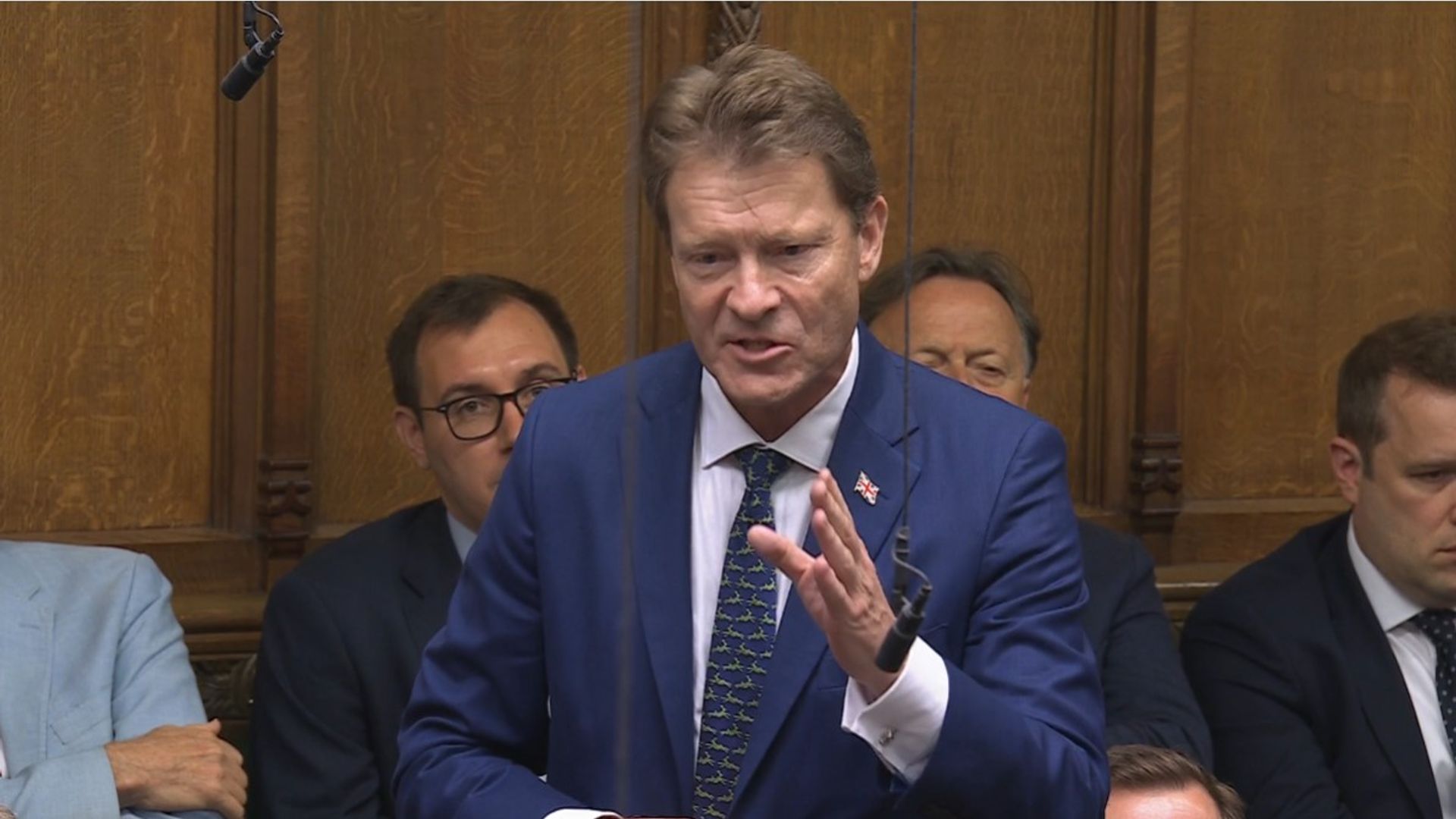
Richard Tice, deputy leader of the Reform Party, has renewed his urgent call for immediate government intervention in Thames Water, demanding the company be placed under temporary public ownership. This plea comes amid growing concerns over the utility’s financial instability and the shockingly high executive pay packages awarded to its top brass, even as the company edges toward potential collapse.
Financial Crisis at Thames Water Sparks Outrage
Thames Water, one of the UK’s largest water companies responsible for supplying millions of customers, is facing a critical financial crisis. The company’s precarious position threatens not only its operational stability but also the reliability of essential water services that millions rely on daily. Despite this looming threat, top executives continue to receive seven-figure remuneration packages, a fact that has ignited widespread public and political anger.
Richard Tice expressed his “gut-wrenching fury” over this stark disparity. While ordinary consumers face rising bills and service concerns, the senior leadership at Thames Water enjoys enormous financial rewards. This disconnect has intensified calls from Reform and other political voices for decisive action to protect consumers and public interests.
Why Public Ownership is Urgently Needed
The demand for temporary public ownership stems from fears that private management has failed to safeguard the company’s future. Reform’s position is that government control, even if only temporary, would stabilize Thames Water, prevent further financial mismanagement, and prioritize the delivery of safe, affordable water services.
Public ownership is seen by supporters as a necessary step to restore trust and accountability. By bringing Thames Water under direct public oversight, authorities could halt executive excesses, redirect funds to critical infrastructure upgrades, and implement stronger regulatory controls. This approach aims to protect consumers from potential service disruptions and price hikes that could arise if the company were allowed to continue on its current trajectory.
Furthermore, the crisis at Thames Water highlights broader systemic issues within the UK’s privatized utility sector. Critics argue that privatization has often led to underinvestment in infrastructure, prioritization of shareholder profits over public service, and insufficient regulatory enforcement. Thames Water’s predicament exemplifies these challenges and underscores the need for a reassessment of how essential utilities are managed nationwide.
Political and Consumer Implications
The call for public ownership places significant pressure on key figures such as Andy Burnham, Mayor of Greater Manchester and a prominent political leader, to take a firm stance on the matter. Tice’s appeal suggests that Burnham has both the influence and responsibility to advocate for decisive intervention.
For consumers, the stakes are high. Water is a vital resource, and any instability in supply or affordability could have far-reaching consequences for households and businesses alike. The controversy over executive pay packages amid financial instability has also fueled a broader debate about fairness, corporate governance, and the ethical responsibilities of utility providers.
Reform’s demand is part of a growing chorus urging government action to prevent further deterioration of essential services and to ensure that utility companies serve the public interest first and foremost.
What This Means Moving Forward
The situation at Thames Water serves as a critical test case for how the UK handles failing utilities in the future. Should the government respond to calls for temporary public ownership, it could set a precedent for intervention in other sectors facing similar crises.
On the other hand, failure to act decisively risks prolonged instability, consumer hardship, and further erosion of trust in privatized service providers. The debate touches on fundamental questions about the balance between private enterprise and public accountability in managing essential infrastructure.
As the crisis unfolds, all eyes will be on policymakers, regulators, and company leadership to see how they address these urgent challenges. For consumers, the hope remains that solutions will prioritize reliability, affordability, and fairness above all else.
In the coming weeks, stakeholders will watch closely to see if Richard Tice’s call to action resonates with decision-makers and whether Thames Water’s path can be redirected to safeguard the public good.