

Britain’s leading retail giants—including Asda, Marks & Spencer (M&S), and Tesco—have issued a stark warning to Andy Burnham about the potential fallout from a looming budget tax increase. They caution that such a move could severely undermine Burnham’s ongoing efforts to tackle the cost of living crisis, while also jeopardising the survival of some of their key stores nationwide.
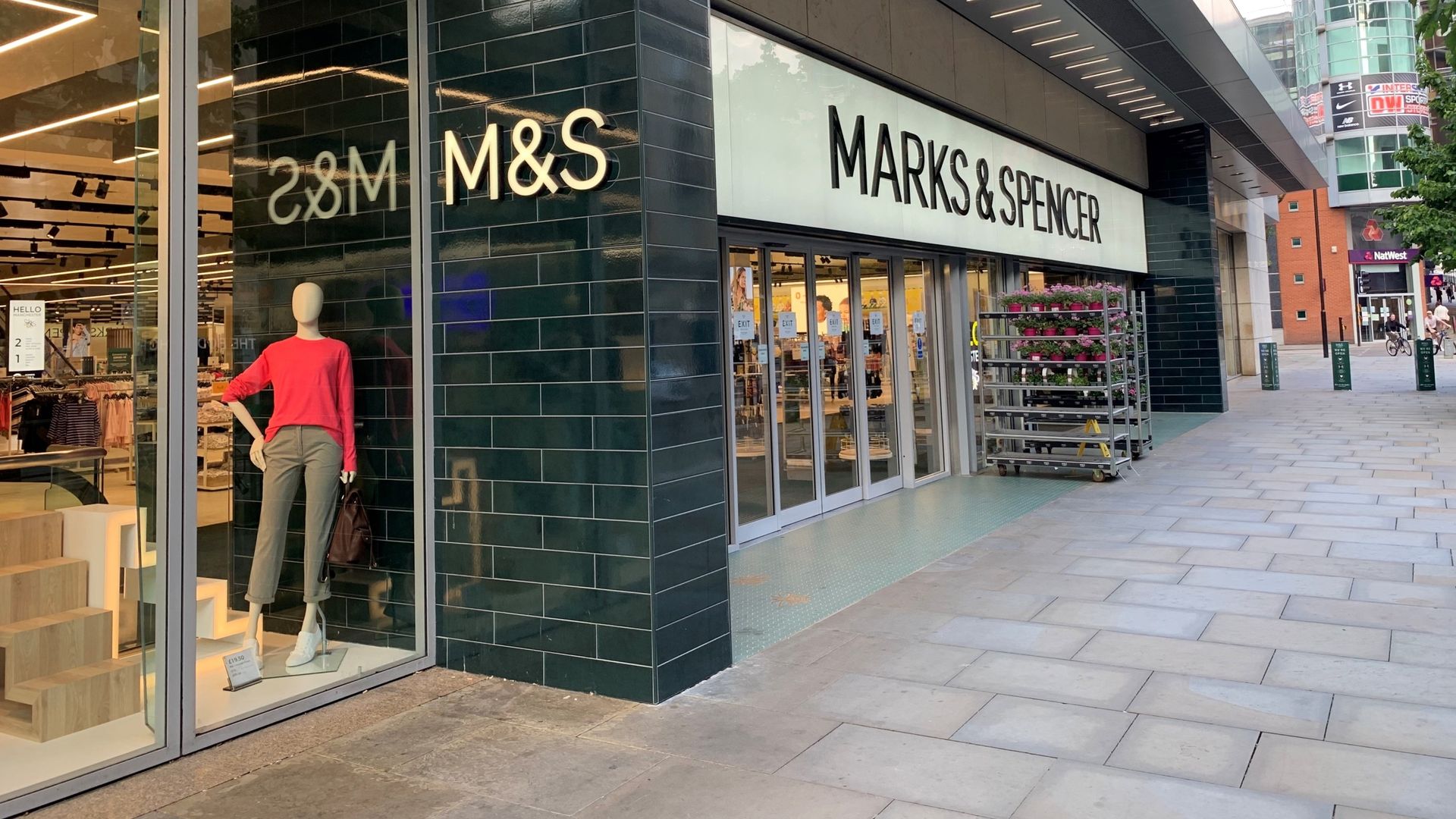
Retailers Sound the Alarm Over Tax Hike
As the UK government prepares to unveil fresh budget proposals, the country’s largest retailers have voiced serious concerns regarding planned tax hikes. These companies argue that increasing taxation at this critical juncture risks inflating operational costs, which would inevitably be passed on to consumers already grappling with rising prices.
Asda, M&S, and Tesco represent a significant portion of the UK’s retail sector, employing thousands and serving millions of customers weekly. Their warnings highlight the delicate balance retailers must maintain between staying financially viable and keeping essential goods affordable for consumers during an economic squeeze.
Industry leaders emphasize that any additional tax burden could force difficult decisions, including store closures or job cuts, particularly in regions where retail margins are already tight. This would not only damage local economies but also undermine efforts to support communities struggling with inflation and reduced spending power.
Why This Matters: The Cost of Living Campaign at Risk
Andy Burnham, the Mayor of Greater Manchester and a prominent political figure in the fight against rising living costs, has championed policies aimed at alleviating financial pressure on families. His cost of living campaign focuses on ensuring access to affordable essentials, promoting fair wages, and protecting vulnerable populations from economic hardship.
The retailers’ warnings carry significant weight because they directly relate to the feasibility of Burnham’s initiatives. If taxes increase sharply, the resulting higher prices for food and household goods could counteract any benefits from public policy. This dynamic threatens to create a vicious cycle where inflation worsens, consumer spending contracts, and economic inequality deepens.
Moreover, the viability of some of the largest retail outlets—often major employment hubs in their communities—is at stake. The closure of these stores would not only reduce access to affordable goods but also lead to substantial job losses, further exacerbating social and economic challenges in affected areas.
What Comes Next: Navigating Economic Pressures
As the government finalizes its budget, it faces a complex dilemma: raising necessary revenue without stifling economic recovery or burdening consumers and businesses disproportionately. Retailers advocate for a balanced approach that supports public finances while fostering a sustainable retail environment.
Stakeholders urge policymakers to consider the broader economic implications of a tax increase on the retail sector. They highlight the importance of collaboration between government and industry to develop strategies that maintain store viability, protect jobs, and keep prices stable.
Experts also note that the retail sector plays a vital role in the UK economy, contributing significantly to GDP and employment. Any disruption could ripple through supply chains, affecting suppliers, logistics, and ancillary services, amplifying the overall impact.
Looking Ahead: The Stakes for Communities and Consumers
The warnings from Asda, M&S, and Tesco serve as a crucial reminder that fiscal policy decisions extend far beyond government coffers—they directly influence everyday life for millions of Britons. Maintaining affordable access to essential goods is integral to combating the cost of living crisis and supporting economic resilience.
As discussions continue, the balance between fiscal responsibility and social welfare remains delicate. Retailers and policymakers must work together to ensure that budget measures do not inadvertently deepen financial strain on households or destabilize key sectors of the economy.
Ultimately, the outcome of this debate will shape the retail landscape and the effectiveness of efforts to ease the cost of living pressures facing communities across the UK.