

Imagine identifying Alzheimer’s disease long before memory loss or cognitive decline begin to affect daily life. Groundbreaking research now reveals a blood test capable of detecting early signs of Alzheimer’s disease up to 20 years before symptoms appear, marking a potential revolution in how this devastating condition is diagnosed and managed.
How the Blood Test Works and What the Study Found
The study, conducted by leading researchers in neurodegenerative diseases, focused on identifying biomarkers in the blood that correlate with the early pathological changes of Alzheimer’s. These biomarkers include specific proteins and molecular signatures that signal the buildup of amyloid plaques and tau tangles—hallmarks of the disease process occurring silently in the brain long before clinical symptoms emerge.
By analyzing blood samples from participants who were cognitively healthy at the time of testing, the researchers were able to detect these subtle biological changes. Follow-up over several years confirmed that individuals with positive blood test results had a significantly higher risk of developing Alzheimer’s symptoms later in life.
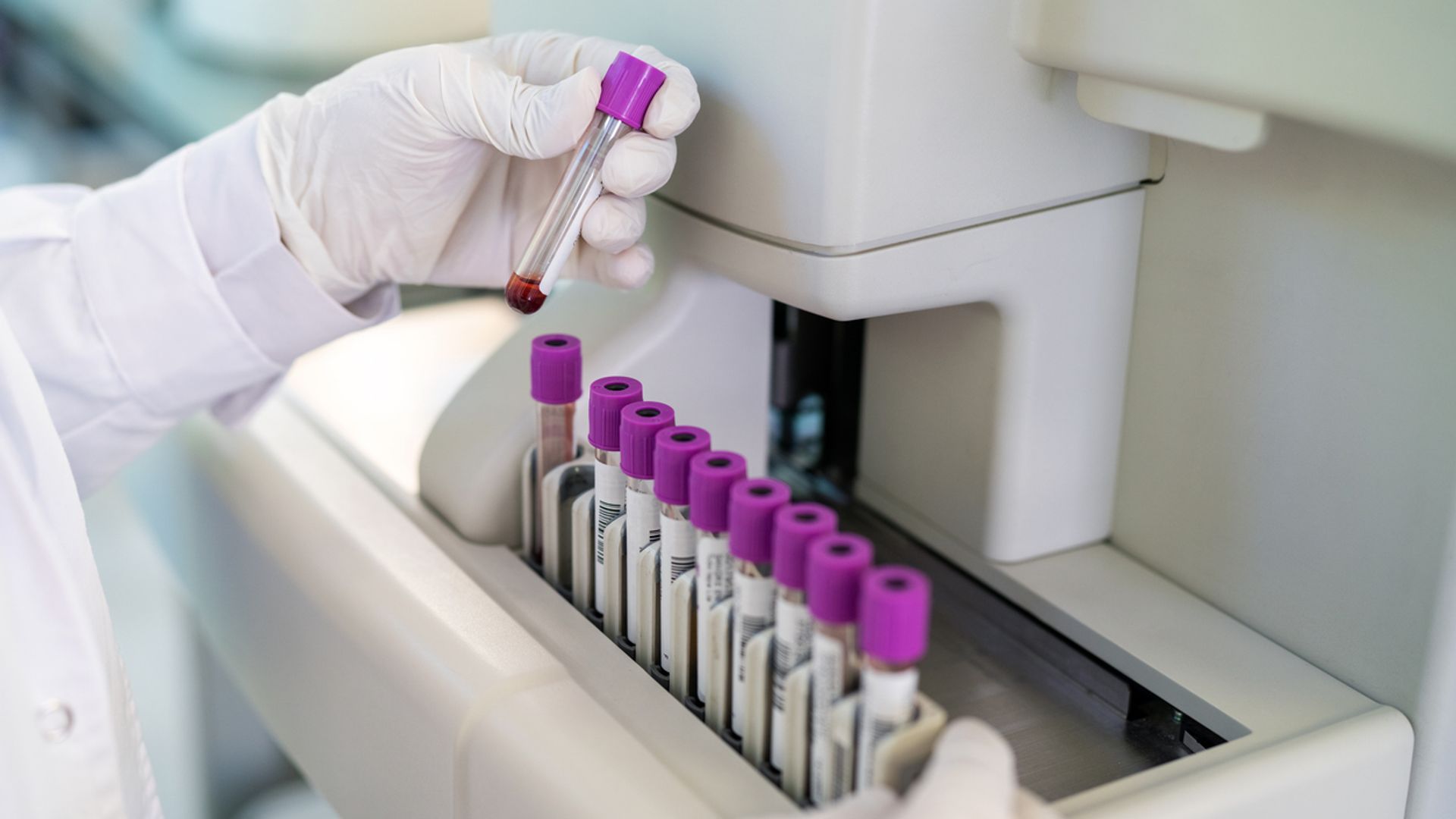
This non-invasive testing method contrasts sharply with current diagnostic tools such as PET scans or cerebrospinal fluid analysis, which are more expensive, invasive, and less accessible for routine screening. The blood test’s simplicity opens the door for widespread early detection, allowing at-risk individuals to seek interventions decades before irreversible brain damage occurs.
Why Early Detection Matters in Alzheimer’s Disease
Alzheimer’s disease is the most common cause of dementia, affecting millions worldwide and placing a tremendous burden on patients, families, and healthcare systems. Typically, diagnosis occurs only after noticeable cognitive decline, at which point the disease has already advanced significantly. This late diagnosis limits the effectiveness of treatments, which currently can only slow progression rather than reverse damage.
Detecting Alzheimer’s pathology decades in advance offers a critical window for intervention. Early diagnosis could enable lifestyle changes, clinical trials of experimental drugs, and strategies to delay or mitigate the onset of symptoms. It also empowers patients and caregivers to plan for the future and access support services proactively.
Experts emphasize that while no cure exists yet, the ability to identify high-risk individuals early represents a major step towards precision medicine in Alzheimer’s care. It shifts the focus from reactive treatment to proactive prevention and monitoring.
What Comes Next: Challenges and Implications
Despite promising results, the blood test is still in the research phase and requires further validation through larger and more diverse population studies. Researchers must ensure the test’s accuracy across different ethnic groups, ages, and health backgrounds to avoid false positives or negatives that could cause unnecessary anxiety or missed diagnoses.
Regulatory approval and integration into clinical practice will also take time. Medical professionals need clear guidelines on interpreting test results and counseling patients. Ethical considerations around informing individuals of their risk decades before symptoms arise must be carefully managed, considering the psychological and social impacts.
Nevertheless, the potential benefits are profound. Early blood-based detection could transform Alzheimer’s research, enabling more targeted drug development and personalized care plans. It also supports public health initiatives aimed at reducing disease incidence through early lifestyle interventions.
As research advances, this blood test could become a standard tool in routine health check-ups, fundamentally changing how society approaches one of the most challenging neurological diseases of our time.
Takeaway: A New Era in Alzheimer’s Diagnosis and Prevention
The advent of a blood test capable of detecting Alzheimer’s disease decades before symptoms manifest represents a monumental breakthrough. It promises earlier intervention, improved patient outcomes, and a shift towards preventive care. While challenges remain before widespread clinical use, this innovation offers hope that the devastating impact of Alzheimer’s can be significantly reduced in the future through timely diagnosis and tailored treatment strategies.