

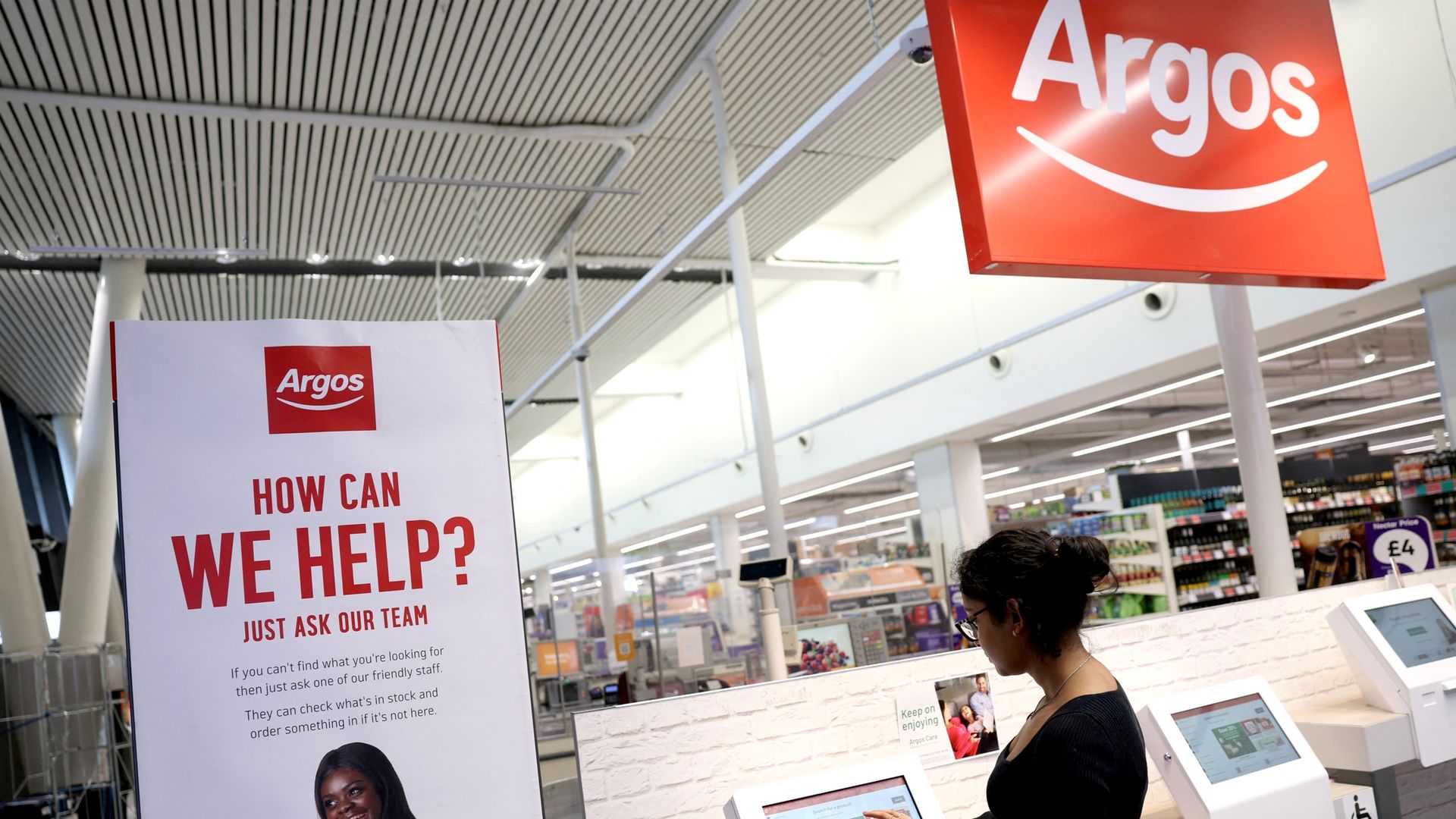
Sainsbury’s has officially announced the sale of its well-known retail brand Argos in a strategic move aimed at sharpening its focus on the grocery sector. The £120 million deal marks a significant shift for Sainsbury’s as it transitions away from its general merchandise operations to concentrate on its core supermarket business.
What Happened: The Details of the Argos Sale
In a carefully negotiated agreement, Sainsbury’s agreed to sell Argos in a deal valued at £120 million. This decision follows a period where the supermarket giant has been evaluating its business portfolio to prioritize its grocery operations, which form the backbone of its revenue and market presence.
Argos, a major player in the UK retail market known for its catalogue shopping and broad product range, has been part of Sainsbury’s group since 2016. The acquisition initially aimed to create a diversified retail offering under one roof. However, over time, Sainsbury’s leadership recognized the need to streamline its operations.
The deal is described as a “business as usual” arrangement, meaning that Argos will continue its operations uninterrupted despite the change in ownership. Customers and employees can expect stability during the transition, ensuring confidence in Argos’s ongoing service and product availability.
Why the Sale Matters: Strategic Refocusing on Core Strengths
This divestment reflects a broader industry trend where retailers are reassessing their priorities amid evolving consumer behaviors and competitive pressures. For Sainsbury’s, the grocery business remains a crucial pillar, representing the majority of its revenue and a key area for growth and innovation.
By shedding Argos, Sainsbury’s aims to streamline its operations and direct resources toward enhancing its supermarket chains. This includes investing in fresh food offerings, expanding online grocery delivery, and improving in-store experiences to meet rising customer expectations.
Maintaining a clear focus on groceries allows Sainsbury’s to better compete with rivals such as Tesco, Asda, and the discounters Aldi and Lidl, who have all been expanding their market share. This strategic pivot is expected to strengthen Sainsbury’s position in the highly competitive UK grocery market.
What Comes Next for Argos and Sainsbury’s?
Post-sale, Argos will continue its operations under the new ownership, which has yet to be publicly disclosed. The deal ensures that Argos’s extensive product range and established customer base remain intact, offering continuity for shoppers and staff alike.
For Sainsbury’s, the capital influx from the £120 million sale will likely support further investment in its grocery business, including digital transformation initiatives such as improving online shopping platforms and supply chain efficiencies.
Industry analysts will be watching closely to see how this strategic refocusing impacts Sainsbury’s financial performance and market share in the coming quarters. The move highlights the challenges retailers face in balancing diversification with specialization in an ever-changing marketplace.
Why This Sale Is a Turning Point for UK Retail
The sale of Argos by Sainsbury’s underscores a critical moment in UK retail, where companies must adapt quickly to shifting consumer demands and economic pressures. It illustrates the importance of focusing on core competencies rather than spreading resources too thin across diverse retail formats.
For consumers, this could mean more competitive grocery pricing, enhanced shopping experiences, and improved product availability as Sainsbury’s channels efforts into its supermarket operations. For the retail sector, the deal may signal a trend toward consolidation and specialization as businesses strive to remain resilient and profitable.
Ultimately, Sainsbury’s decision to sell Argos reflects a strategic recalibration designed to strengthen its market position and ensure long-term sustainability in a fiercely competitive environment.
Closing Takeaway
Sainsbury’s £120 million sale of Argos represents a decisive step to concentrate on its primary grocery business amid an evolving retail landscape. By letting go of its general merchandise arm, Sainsbury’s aims to sharpen its competitive edge and invest more heavily in the supermarket sector that defines its brand.
As both companies move forward under new ownership and renewed strategic focus, the deal will be a key development to watch, offering insights into how large retailers adapt to changing market demands and consumer preferences.