

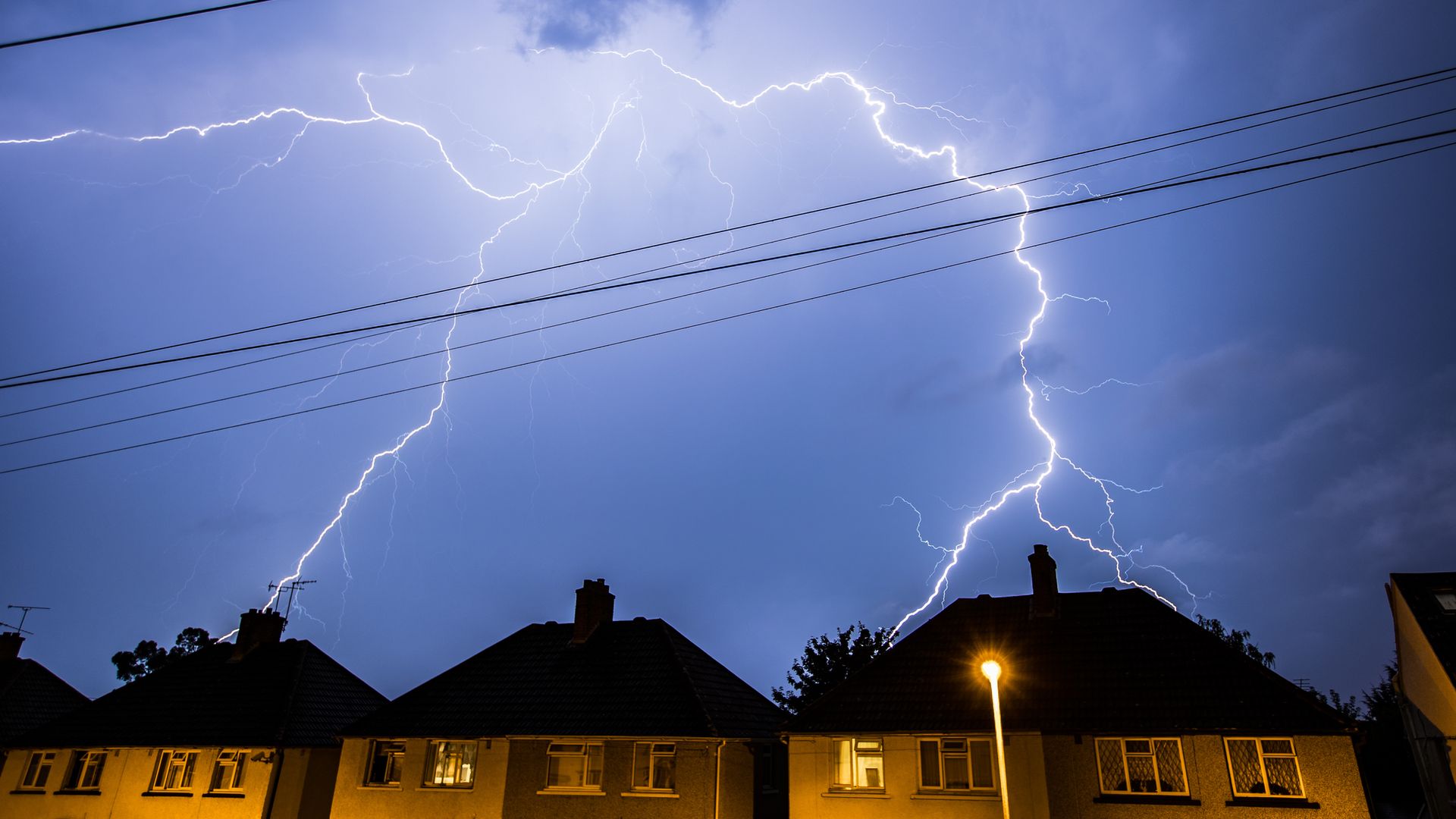
England and Wales brace for intense thunderstorms as a yellow weather warning has been issued, signaling significant risks of large hail, flash flooding, and widespread travel disruptions. Meteorologists have highlighted the potential for rapid weather deterioration, urging residents and commuters to prepare for challenging conditions.
What to Expect from the Incoming Storms
The yellow weather warning in effect covers large parts of England and Wales, indicating that thunderstorms with heavy rain, powerful gusts, and sizeable hailstones are imminent. These storms are expected to develop quickly and may bring sudden downpours capable of overwhelming drainage systems, leading to flash flooding in vulnerable areas.
Forecasters warn that hailstones could grow large enough to cause damage to vehicles, property, and crops, exacerbating the hazards posed by the storm. The combination of heavy rainfall and hail increases the threat to road safety, as surfaces become slippery and visibility deteriorates rapidly.
Travelers should anticipate significant disruption. Flooded roads, fallen branches, and debris could block major routes, while public transportation services may experience delays or cancellations. Motorists are advised to check conditions before setting out and to allow extra time for journeys.
Why This Weather Warning Matters
Thunderstorms of this intensity are not uncommon during the transitional seasons in the UK, but their sudden onset and severity can catch communities unprepared. Flash flooding poses a particular threat because it can occur with little warning, quickly inundating streets, homes, and businesses.
Regions with poor drainage or low-lying terrain are especially vulnerable. Emergency services often face increased demand during such events, responding to flooded properties, stranded vehicles, and incidents caused by storm-related hazards.
Large hail can inflict significant economic damage, from dented cars to destroyed crops, impacting farmers and local economies. Moreover, the combination of storm hazards can strain infrastructure and disrupt daily life, highlighting the importance of heeding official warnings and taking precautionary measures.
Preparing for the Storms: What You Should Do
Residents in affected areas should secure outdoor items that could be blown away or damaged by hail. Staying indoors during peak storm activity reduces risk from flying debris and falling branches. Those living in flood-prone zones should review their flood preparedness plans, ensuring sandbags and emergency supplies are accessible.
For commuters, monitoring live traffic updates and weather forecasts is crucial. Public transport users should verify service status before traveling, while drivers must exercise caution on slick roads and avoid flooded sections entirely.
Local authorities and emergency responders will be actively monitoring the situation, ready to provide assistance as needed. Public cooperation in following safety advice can significantly reduce accidents and injuries during severe weather episodes.
Looking Ahead: The Importance of Vigilance
This storm episode underscores the growing need for resilience against increasingly volatile weather patterns. As climate change influences the frequency and intensity of extreme weather, communities must adapt through improved infrastructure, better forecasting, and heightened public awareness.
For now, the immediate priority is safety. By understanding the risks posed by these thunderstorms and taking proactive steps, individuals and organizations can mitigate damage and protect lives.
Stay informed, remain cautious, and prepare to respond swiftly as nature unleashes its powerful forces across England and Wales.