

London is witnessing a troubling surge in anti-Muslim hate and prejudice, with reports indicating a “sustained escalation” of incidents within just the first half of 2026. A leading charity monitoring hate crimes has revealed that the number of recorded anti-Muslim attacks during this period has already surpassed the total incidents documented throughout the entire year of 2023.
What the Data Reveals About Rising Hate Crimes
According to recent findings, the scale of anti-Muslim hate crimes in London is growing at an alarming rate. The charity responsible for tracking these figures highlights that the first six months of 2026 alone have witnessed more attacks than the whole of 2023, signaling a sharp upward trend. This rapid increase suggests not only a spike in reported cases but also potential changes in societal attitudes or tensions that are fueling such hostility.
These incidents encompass a wide range of prejudiced behaviors, including verbal abuse, physical assaults, and targeted vandalism against Muslim individuals and communities. The sustained nature of this escalation points to a deeply rooted issue that extends beyond isolated events, reflecting broader challenges around religious intolerance and social cohesion in London.
Context and Impact on Muslim Communities
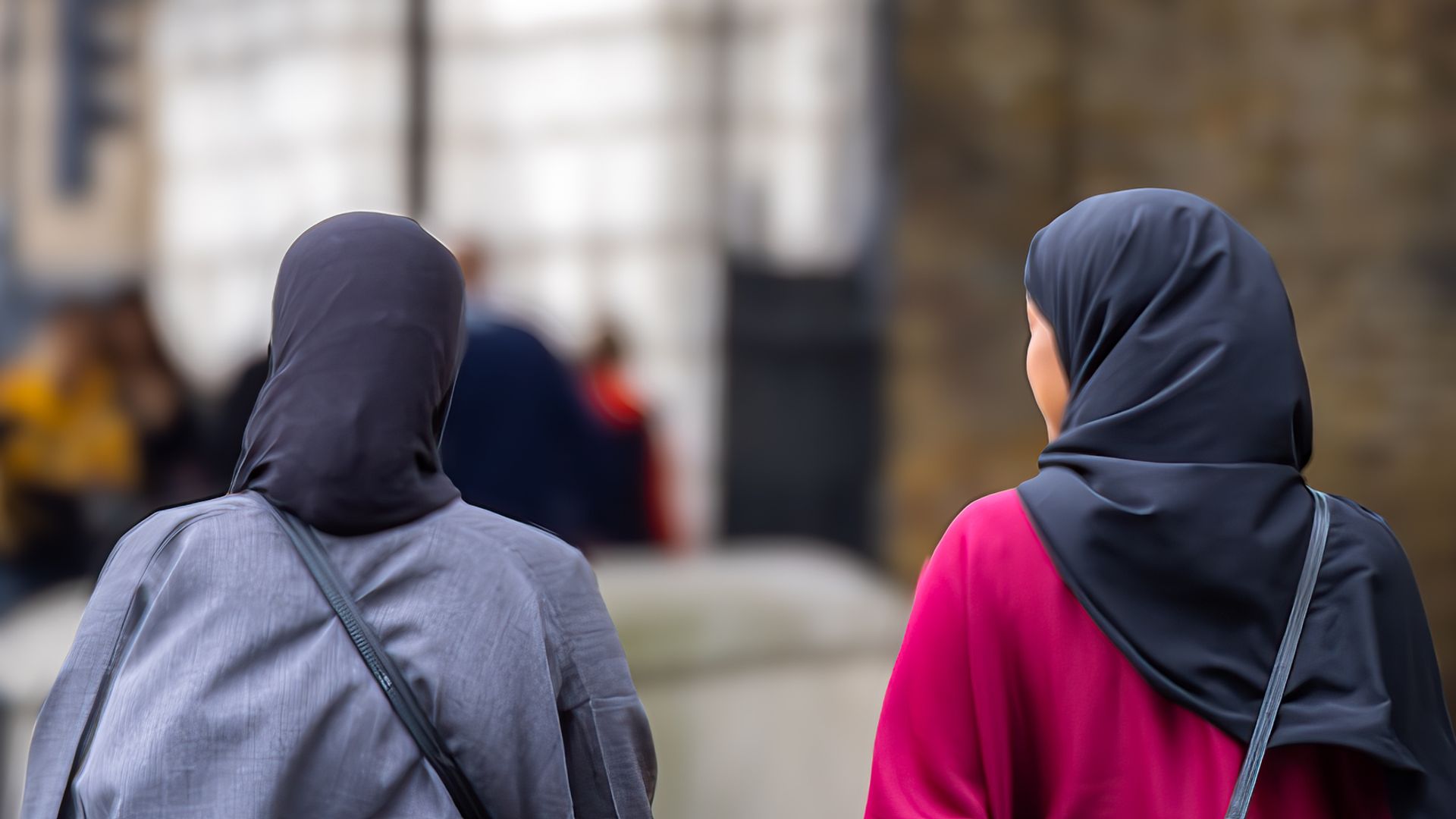
London’s Muslim population, diverse and vibrant, forms an integral part of the city’s social fabric. The rise in hate crimes threatens not only their safety but also their sense of belonging. Increased fear and anxiety can lead to social withdrawal, negatively affecting mental health and community cohesion.
Charitable organizations and community leaders stress that these attacks undermine efforts toward inclusion and mutual respect. They call for urgent action from law enforcement agencies, policymakers, and local authorities to implement stronger protective measures and create supportive environments where all residents feel secure.
Why This Escalation Matters
The surge in anti-Muslim hate crimes in London is more than a statistic; it reflects broader societal tensions and challenges in combating prejudice. As the city prides itself on diversity and multiculturalism, a rise in targeted hate undermines these core values and threatens social harmony.
Experts warn that without effective intervention, such trends can escalate further, potentially inspiring copycat attacks or emboldening extremist views. It also places pressure on public services, including policing and community outreach programs, to respond swiftly and efficiently to protect vulnerable populations.
Moreover, this escalation signals a need for widespread education and awareness campaigns that tackle the root causes of Islamophobia. Promoting understanding, empathy, and dialogue across communities can play a crucial role in reversing these harmful patterns.
Looking Ahead: Addressing the Challenge
Addressing the rise in anti-Muslim hate requires a multi-faceted approach. Authorities must prioritize hate crime reporting, increase visibility of law enforcement in affected areas, and ensure robust legal consequences for perpetrators. Additionally, community organizations need enhanced support to provide resources and safe spaces for those affected.
The situation in London serves as a stark reminder that religious intolerance remains a significant issue in urban centers worldwide. Combating this requires constant vigilance, commitment from all sectors of society, and a shared resolve to uphold the principles of equality and respect.
As the year progresses, stakeholders will be closely monitoring trends and implementing strategies to reverse this dangerous escalation. The hope is that through coordinated efforts, London can reaffirm its status as a city that embraces diversity and protects all its citizens.