

Receiving the shingles vaccine may offer far more than protection against a painful rash—it could significantly reduce the risk of stroke and heart disease, groundbreaking research suggests. This discovery highlights a powerful, yet underappreciated benefit of vaccination for older adults, potentially reshaping preventive healthcare strategies worldwide.
Unveiling the Hidden Cardiovascular Benefits of the Shingles Vaccine
Shingles, caused by the reactivation of the varicella-zoster virus, primarily threatens older adults and individuals with weakened immune systems. While the vaccine has long been recommended to prevent the debilitating nerve pain and rash associated with shingles, recent evidence now points to its protective effects against serious cardiovascular events.
Researchers have found that seniors who receive the shingles vaccine experience a markedly lower incidence of stroke and heart disease compared to those who remain unvaccinated. This correlation suggests the vaccine may mitigate inflammation and vascular damage linked to the virus, which are key contributors to cardiovascular complications.
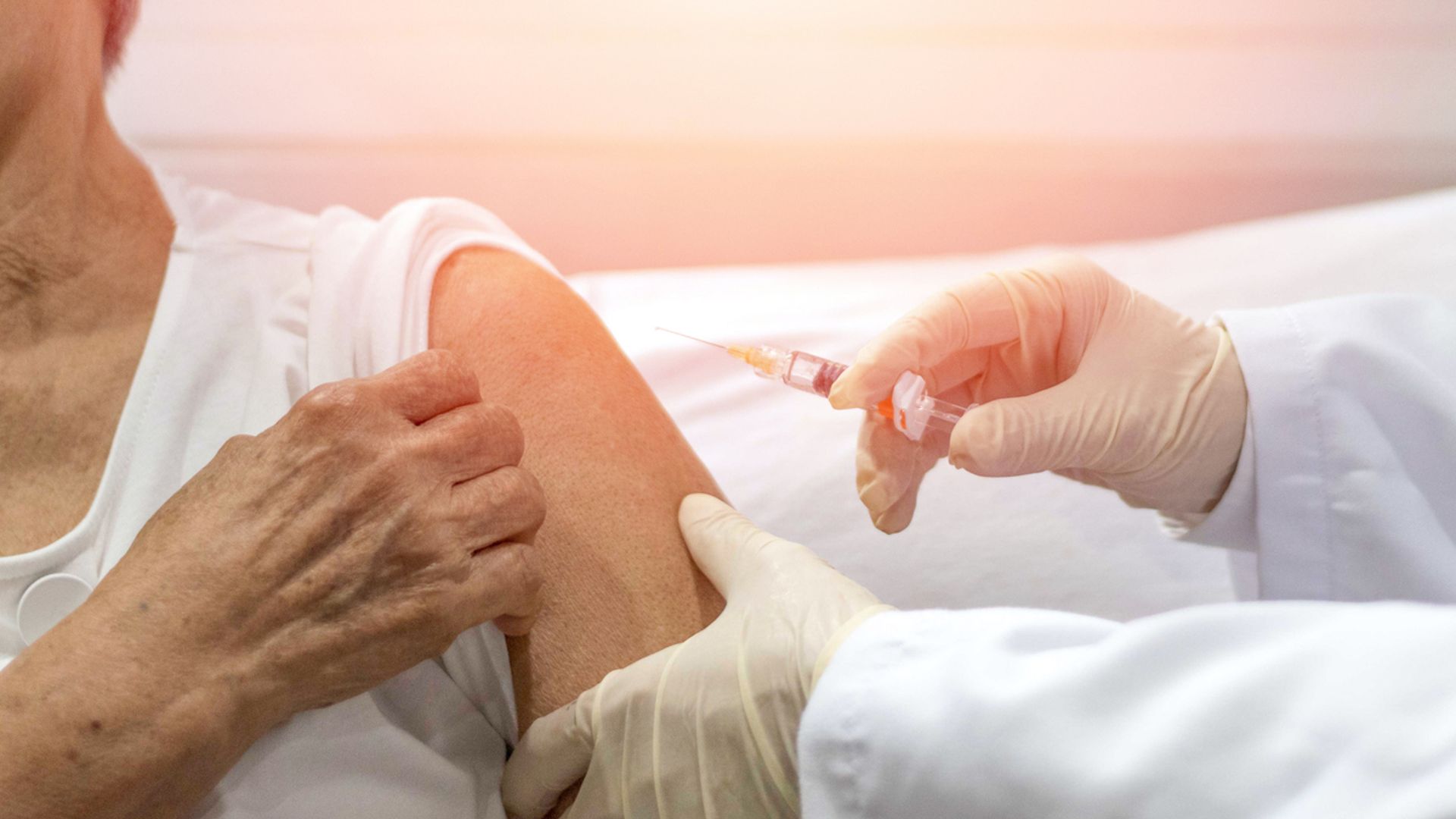
Healthcare providers routinely administer vaccines for influenza, pneumonia, and shingles to protect elderly populations from infectious diseases. This study adds a compelling reason to prioritize shingles vaccination during routine clinical visits, particularly for patients at heightened risk of cardiovascular problems.
Why Reducing Stroke and Heart Attack Risk Matters for Older Adults
Stroke and heart disease remain leading causes of death and disability globally, with older adults disproportionately affected. Preventive measures that can simultaneously reduce the burden of infectious diseases and chronic cardiovascular conditions are invaluable in improving quality of life and reducing healthcare costs.
Shingles itself can trigger systemic inflammation and increase the likelihood of blood clots, both of which elevate stroke risk. By preventing shingles, the vaccine indirectly lowers these dangerous processes. Moreover, the vaccine’s role in reducing heart disease risk could be linked to its ability to curb inflammatory responses in blood vessels, a major factor in atherosclerosis.
Given the increasing aging population worldwide, integrating shingles vaccination into cardiovascular disease prevention strategies could have widespread public health benefits. It also underscores the importance of comprehensive immunization programs tailored to older adults.
Implications for Public Health and Future Research
This study’s findings advocate for greater awareness and uptake of the shingles vaccine beyond traditional infectious disease prevention. Medical professionals should emphasize the vaccine’s broader health advantages when advising patients, particularly those with existing cardiovascular risk factors.
Further research is needed to fully understand the biological mechanisms through which the shingles vaccine confers cardiovascular protection. Longitudinal studies could also clarify the duration of these benefits and identify which patient populations stand to gain the most.
As vaccination campaigns expand, policymakers might consider integrating shingles vaccine coverage into cardiovascular risk management guidelines. This dual benefit could enhance patient outcomes while optimizing healthcare resource allocation.
Looking Ahead: A New Frontier in Preventive Medicine
The revelation that the shingles vaccine can substantially reduce stroke and heart disease risk opens exciting avenues for holistic preventive care in older adults. It challenges the conventional view of vaccines solely as tools against infections, highlighting their potential role in combating chronic diseases.
For individuals and healthcare systems alike, this means the shingles vaccine represents a critical, cost-effective intervention with multifaceted health benefits. Prioritizing vaccination could save lives, prevent disability, and reduce the strain on medical services.
Ultimately, embracing the broader impact of the shingles vaccine will require coordinated efforts among clinicians, researchers, and public health officials. As understanding deepens, this vaccine could become a cornerstone of strategies aimed at enhancing longevity and cardiovascular health in aging populations.