

A groundbreaking study reveals that a straightforward at-home test combining an online brain assessment with a finger-prick blood sample can help predict an individual’s risk of developing Alzheimer’s disease. This innovative approach aims to revolutionize early detection, allowing timely intervention before symptoms become severe.
How the At-Home Test Works
The test involves two key components: an online cognitive evaluation and a blood test that measures specific biomarkers associated with Alzheimer’s. Participants submit a finger-prick blood sample, which is analyzed for proteins such as p-tau217 and GFAP. These biomarkers have been linked to neurodegeneration and brain decline in Alzheimer’s patients.
Alongside this biological data, the online brain assessment evaluates cognitive functions including memory, attention, and decision-making abilities. Together, these tools create a comprehensive picture of an individual’s neurological health without requiring a visit to a clinic or complex medical procedures.
Professor Anne Corbett from the University of Exeter Medical School, a lead researcher in the study, emphasized the test’s potential, stating that combining biomarkers with cognitive assessments offers “a potential way to predict risk of dementia.” She highlighted that this approach could effectively screen large numbers of people remotely and prioritize those at highest risk for further monitoring and diagnosis.
The Study and Its Implications
The research involved over 170 participants who provided blood samples and completed online brain tests. The findings demonstrated that the presence of p-tau217 and GFAP in blood correlates with cognitive decline, reinforcing previous evidence that these biomarkers are reliable indicators of Alzheimer’s progression.
Professor Clive Ballard of Exeter, also involved in the study, underscored the urgency of improving early detection. He revealed that while nearly one million people in the UK live with dementia, only about one in 1,000 with early brain decline symptoms currently receive specialist evaluations. He believes this combined testing method could provide a cost-effective and accessible solution to identify individuals at risk before extensive damage occurs.
Professor Ballard further encouraged adults over 40 to participate in the ongoing Protect study, which tracks cognitive functions in more than 30,000 volunteers. This extensive dataset supports the validation and refinement of digital and biological markers of dementia risk.
Expert Perspectives and Future Directions
Dr. Sheona Scales, Research Director at Alzheimer’s Research UK, praised the study’s promising outcomes. She pointed out that finger-prick blood tests could transform dementia diagnosis by offering a scalable, affordable way to flag individuals who might require further clinical evaluation.
Dr. Scales explained that such self-administered tests could serve as an initial step in the diagnostic pathway, providing reassurance to some while expediting follow-up for others. She emphasized the need for “larger and more diverse” studies to confirm these findings across broader populations.
The study’s publication in the journal Nature Communications marks a significant milestone in dementia research. It opens avenues for non-invasive, accessible screening methods that could dramatically improve early detection rates and patient outcomes.
Why Early Detection Matters
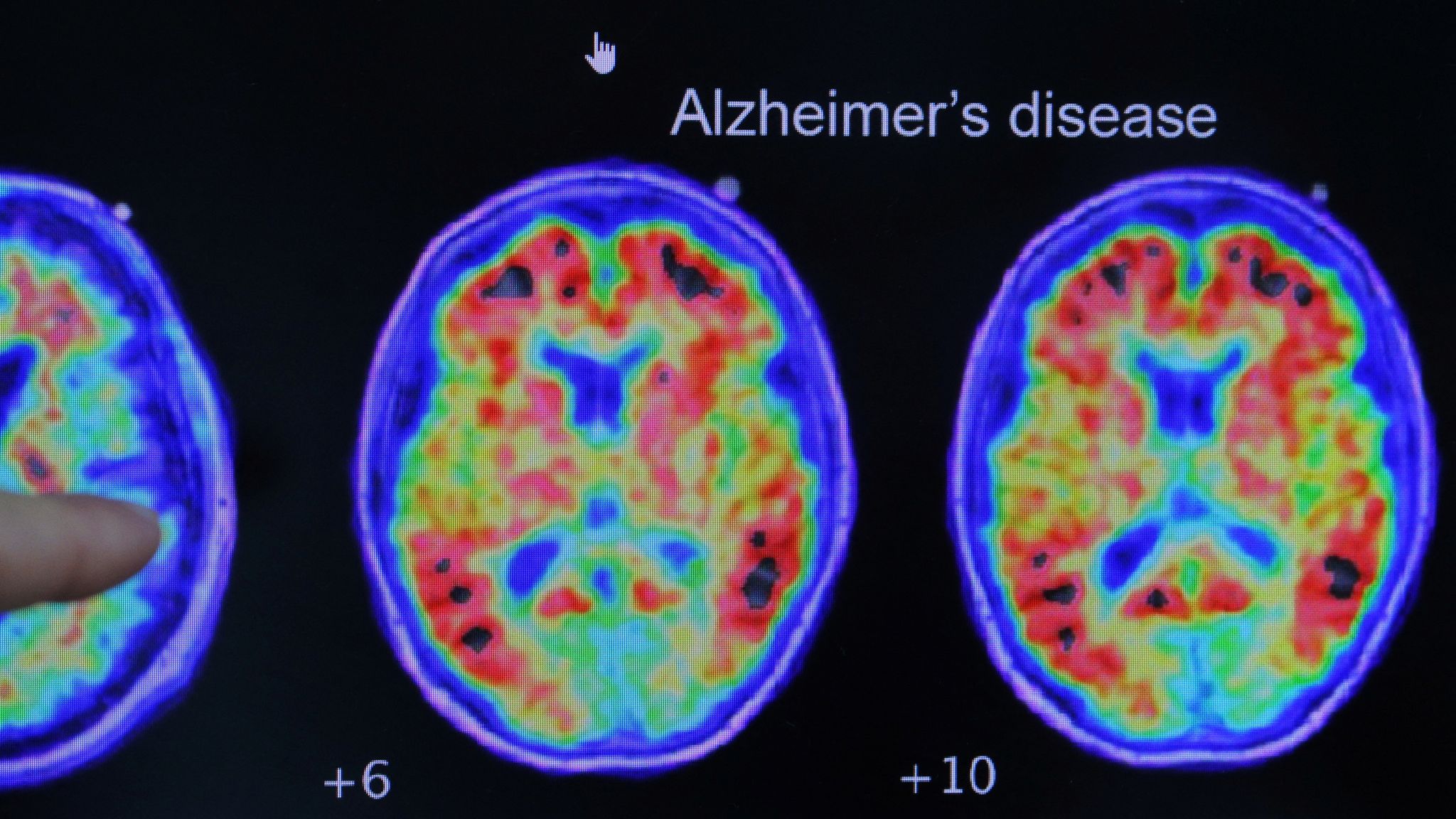
Alzheimer’s disease is a progressive neurological disorder that affects millions worldwide, leading to memory loss, cognitive decline, and ultimately loss of independence. Early diagnosis is critical because it enables timely interventions, lifestyle changes, and access to emerging treatments that may slow disease progression.
Current diagnostic methods often involve expensive imaging scans or invasive procedures, limiting access and delaying diagnosis. The development of simple, home-based tests could democratize the screening process, making it easier for individuals to understand their risk and seek medical advice sooner.
Looking Ahead
This study represents a pivotal step toward accessible dementia risk assessment. By integrating blood biomarkers with digital cognitive testing, healthcare providers could soon offer a practical, cost-effective screening tool capable of reaching vast populations. Such advancements promise not only to improve early detection but also to enhance personalized care and resource allocation for those most in need.
As research progresses, expanding studies to include diverse populations and refining test accuracy will be essential. Meanwhile, adults over 40 are encouraged to participate in ongoing cognitive monitoring programs like the Protect study to contribute valuable data toward combating Alzheimer’s disease.
With further validation, this simple at-home test could become a vital instrument in the global fight against dementia, offering hope for earlier diagnosis and improved quality of life for millions.