

The recent resignation of Sir Keir Starmer has elevated Sir Ed Davey to a unique position in British politics: the longest-serving leader of a national party. Having held the reins of the Liberal Democrats since early 2020, Davey’s tenure now surpasses that of his contemporaries, placing the party under a prolonged period of consistent leadership.
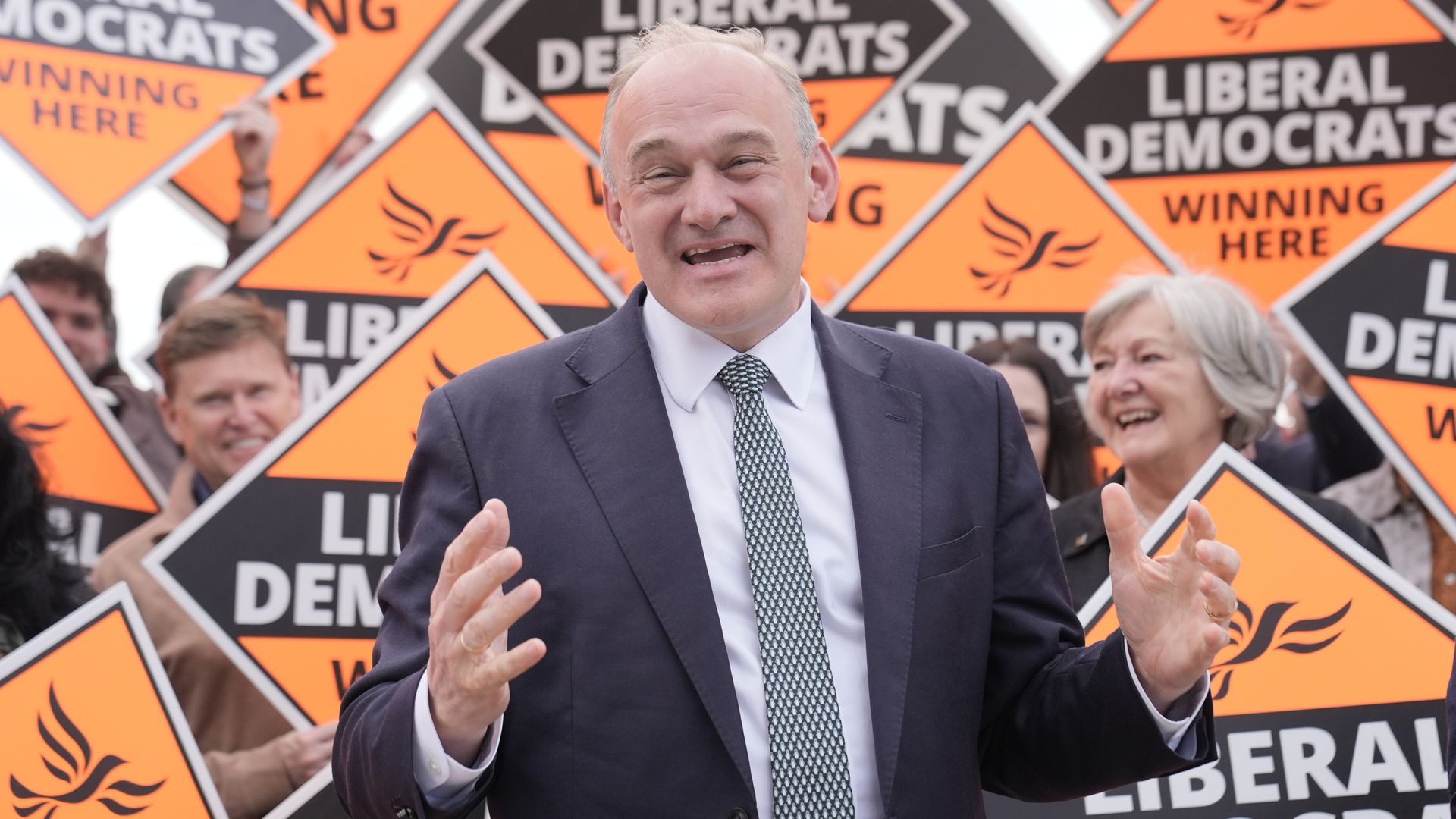
Sir Ed Davey’s Leadership: Steadfast in Turbulent Times
When Sir Ed Davey took over the leadership of the Liberal Democrats in 2020, the political environment was fraught with uncertainty. The UK was grappling with the ongoing repercussions of Brexit and the unprecedented challenges posed by the COVID-19 pandemic. Throughout this period, Davey has maintained a steady hand, steering the party through complex national debates.
Under his guidance, the Liberal Democrats have sought to reassert their identity in a crowded political field. The party has positioned itself as a centrist alternative, championing causes such as environmental sustainability, civil liberties, and electoral reform. Despite the challenges of limited parliamentary representation, Davey has emphasized grassroots engagement and policy innovation to broaden the party’s appeal.
What Davey’s Long Tenure Signals for the Liberal Democrats
Davey’s extended leadership tenure suggests a degree of stability rare in modern British politics. While other parties have undergone leadership changes amidst internal pressures and electoral setbacks, the Liberal Democrats have maintained continuity. This consistency can be a double-edged sword.
On one hand, sustained leadership allows for the development and implementation of long-term strategies. It fosters a recognizable public face and can strengthen party cohesion. On the other, it raises questions about adaptability and responsiveness to changing political dynamics.
Critics argue that the party risks stagnation if it fails to refresh its messaging and tactics. With Sir Ed Davey at the helm for over three years, debates have intensified over whether the Liberal Democrats should double down on their current course or pivot to embrace new approaches to regain electoral momentum.
Why the Liberal Democrats Must Reflect and Strategize for the Future
The political landscape in the UK is evolving rapidly, influenced by shifting voter priorities and emerging issues. For the Liberal Democrats, maintaining relevance requires more than longevity in leadership—it demands agility and innovation.
As the party’s longest-serving leader, Sir Ed Davey faces the critical task of balancing experience with reinvention. This involves assessing which policies resonate with the current electorate and identifying untapped opportunities to expand the party’s base.
The ongoing debate within the party centers on whether to intensify focus on core liberal values or to adapt strategies to appeal to broader demographics. This strategic reflection is essential for the Liberal Democrats to enhance their influence in upcoming elections and shape their role in Britain’s multiparty system.
Looking Ahead: Stability or Change?
Sir Ed Davey’s rise as the longest-serving national party leader underscores a period of both challenge and opportunity for the Liberal Democrats. His leadership marks a phase of steady stewardship, but the future success of the party hinges on its ability to evolve.
For voters and political observers alike, the coming months will reveal whether the Liberal Democrats can leverage their consistent leadership to build momentum or if they must embrace significant change to remain competitive. The path forward will test the party’s vision, resilience, and relevance in a shifting political era.
Ultimately, the question remains: will Sir Ed Davey’s tenure be remembered as a time of steady delivery or a missed chance for renewal? The answer will shape the Liberal Democrats’ trajectory in the years ahead.