

The Scottish National Party (SNP) has officially written off the value of the controversial motorhome purchased with party funds under the tenure of former chief executive Peter Murrell. Despite removing the asset from its financial accounts, the party still owes Murrell a significant sum of £60,000.
The Motorhome Controversy: What Happened?
The motorhome, long associated with internal party disputes and public scrutiny, became a contentious symbol of financial management within the SNP. Purchased during Murrell’s leadership period, the vehicle’s acquisition raised questions about the appropriateness of using party funds for such an expense.
Following Murrell’s departure amid a wave of criticism and scandal, the SNP’s financial team has taken steps to reconcile their accounts. Writing off the motorhome’s value means it will no longer be listed as an asset on the party’s balance sheet. This action reflects the party’s acknowledgment that the motorhome does not hold recoverable financial value or that it cannot be sold or utilized effectively.
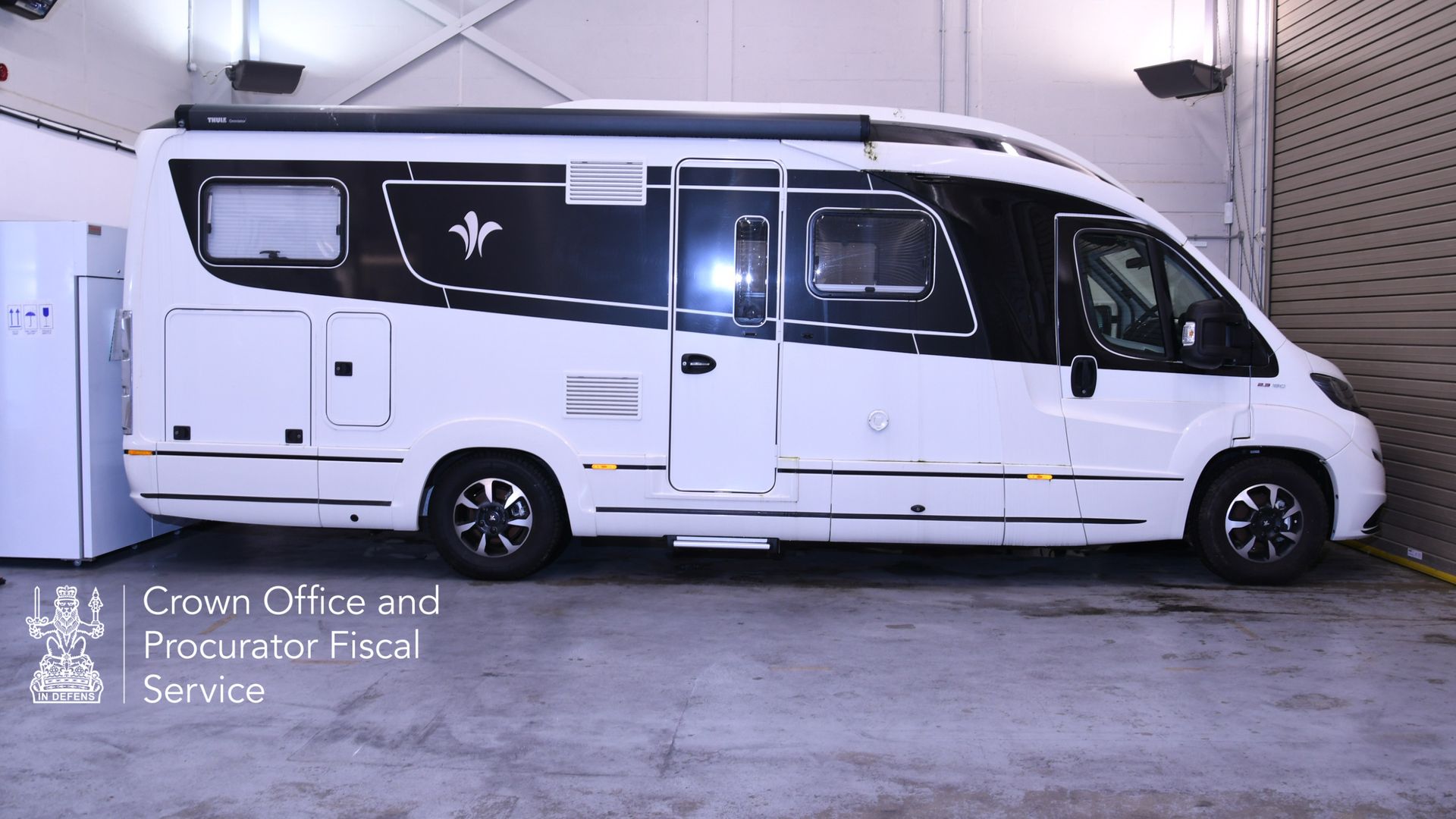
However, removing the motorhome from the books does not erase the outstanding debt the party owes to Murrell. The £60,000 owed remains a significant liability, highlighting ongoing financial complexities tied to his exit.
Why the Write-Off Matters
Writing off an asset like the motorhome is a clear indicator of the party’s efforts to clean up its financial records after a tumultuous period. It signals to members, donors, and the public that the SNP is attempting to address problematic expenditures transparently.
At the same time, the decision to write off the motorhome’s value while still owing Murrell £60,000 raises questions about how party funds were managed and accounted for. This outstanding debt could relate to reimbursement claims, contractual obligations, or unresolved financial arrangements linked to Murrell’s role.
Financial transparency has become a critical issue for the SNP, especially as it faces heightened scrutiny from political opponents and the media. The party’s handling of expenditures under Murrell’s leadership has been a focal point, with critics demanding clearer accountability and reforms to prevent similar controversies in the future.
What This Means for the SNP’s Financial Health
The write-off and remaining debt underscore the challenges the SNP faces in stabilizing its finances and restoring trust among its supporters. While removing the motorhome’s value streamlines the party’s assets, the liability towards Murrell suggests residual complications.
Party officials will need to address how to settle the £60,000 owed in a manner consistent with their financial policies and ethical standards. Failure to resolve this debt could further damage the SNP’s reputation and complicate internal governance.
Moreover, this episode serves as a stark reminder of the importance of rigorous financial oversight within political organizations. The SNP’s experience highlights how lapses in accountability can lead to lasting financial and reputational consequences.
Looking Ahead
As the SNP moves forward, it must prioritize transparent financial management and clear communication with its members and the public. The motorhome write-off and the outstanding debt to Peter Murrell represent both a conclusion to one chapter and a challenge for the party’s future governance.
Ensuring that similar issues do not recur will be vital as the SNP prepares for upcoming elections and continues to promote its political agenda. Members and observers alike will be watching closely to see how the party navigates these financial hurdles while striving to maintain credibility and trust.
In sum, while the motorhome no longer figures as an asset, the SNP’s financial obligations related to Murrell remain a pressing issue. Addressing this debt effectively will be crucial for the party’s ongoing stability and public confidence.