

The UK has witnessed a troubling rise in salmonella infections linked directly to imported eggs, the UK Health Security Agency (UKHSA) has confirmed. This increase poses substantial public health challenges and calls for heightened vigilance among consumers and regulatory bodies alike.
What Happened: The Rise in Salmonella Cases
Salmonella, a bacterial infection commonly associated with contaminated food, has seen a notable uptick in the UK, with a significant portion traced back to eggs imported from abroad. The UKHSA monitors infectious disease outbreaks closely and has identified this recent surge as a public health concern requiring immediate attention.
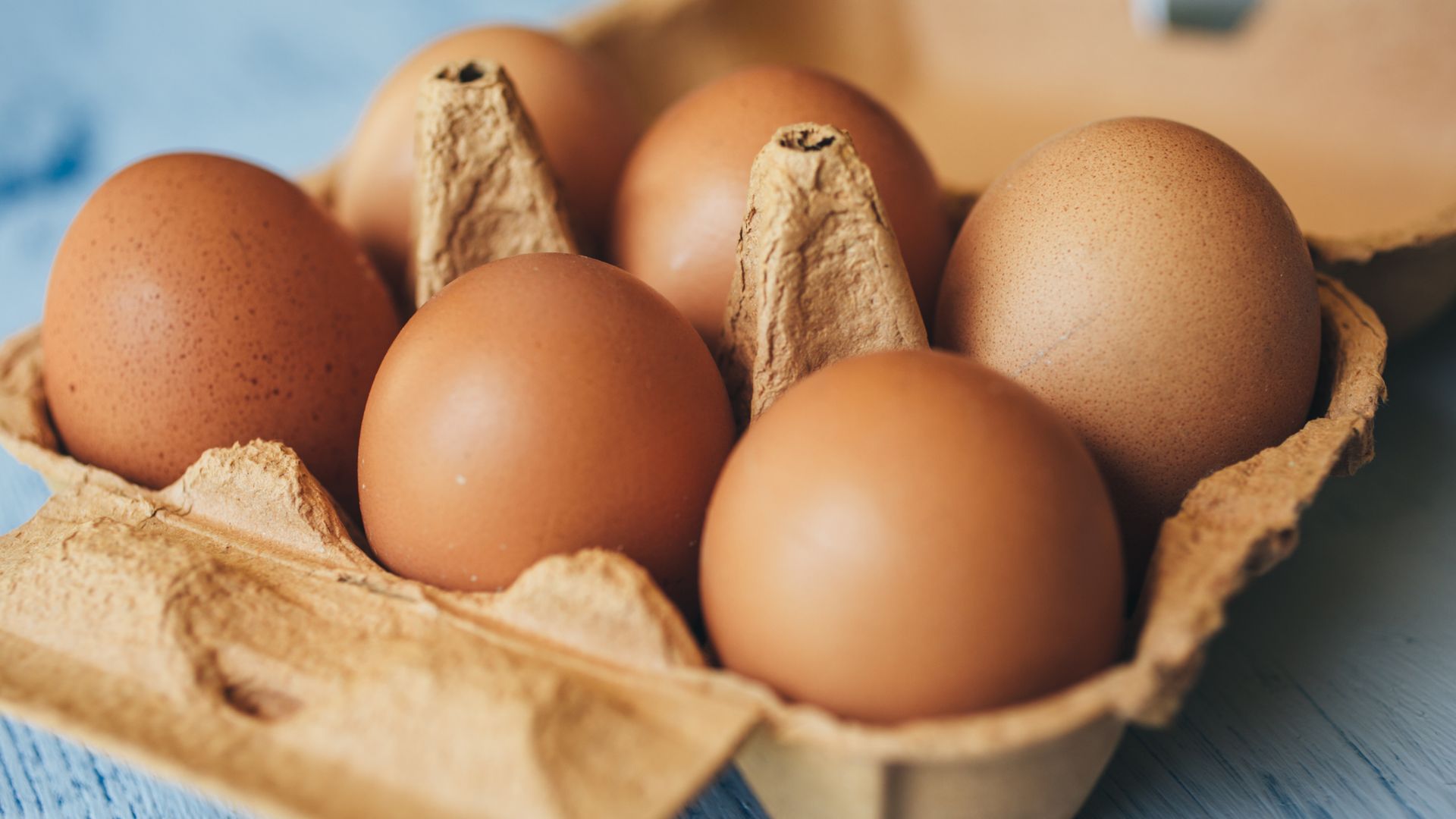
Imported eggs have become a focal point after epidemiological investigations linked multiple salmonella cases to consumption of these products. The contamination likely stems from lapses in sanitary conditions during egg production or transport in the countries of origin. Although the UK maintains strict food safety protocols domestically, imported goods can sometimes bypass the same rigorous standards, increasing the risk of transmitting pathogens like salmonella.
Salmonella infections typically result in symptoms such as diarrhea, fever, abdominal cramps, and vomiting. While most healthy individuals recover without complications, the infection can be severe and even life-threatening in vulnerable groups, including young children, the elderly, and those with weakened immune systems.
Why This Matters: Implications for Public Health and Food Safety
The rise in salmonella cases linked to imported eggs underscores gaps in the global food supply chain and highlights the critical need for stringent import controls and consumer education. Eggs are a staple ingredient in many diets, and contamination can quickly affect large populations.
Food safety experts warn that improper handling and cooking of eggs can exacerbate the risk of infection. Consumers are urged to follow best practices such as thoroughly cooking eggs until both whites and yolks are firm, avoiding consumption of raw or undercooked eggs, and maintaining strict kitchen hygiene to prevent cross-contamination.
From a regulatory perspective, this development has rekindled debates about the standards governing imported food products. The UK government and agencies like the UKHSA continue to collaborate with international partners to tighten inspection protocols and enhance traceability of imported eggs. Such measures are essential to prevent future outbreaks and protect public health.
What Comes Next: Steps to Mitigate the Risk
In response to the surge in salmonella infections, the UKHSA is intensifying surveillance and investigation efforts to identify specific sources and distribution networks of contaminated eggs. Enhanced testing of imports combined with swift recalls of affected batches aims to curb further spread.
Consumers play a crucial role by staying informed and vigilant. Awareness campaigns are being amplified to educate the public on recognizing symptoms of salmonella infection and the importance of food safety practices at home.
Meanwhile, retailers and suppliers are encouraged to scrutinize their sourcing policies and demand higher safety assurances from exporters. Ensuring that imported eggs meet UK safety standards before reaching shelves is vital for restoring consumer confidence.
Looking Ahead: Protecting Consumers in a Global Food Market
The surge in salmonella cases linked to imported eggs serves as a stark reminder of the complexities and risks inherent in today’s globalized food supply chains. As the UK continues to rely on imported food products, coordinated efforts between government agencies, industry stakeholders, and consumers will be essential to safeguard health.
Strict import regulations, robust monitoring systems, and widespread public education must work in tandem to reduce the risk of foodborne illnesses. By addressing these challenges head-on, the UK aims to maintain high food safety standards and protect its population from preventable diseases like salmonella.
Full details of the ongoing investigations and further guidance for consumers will be released as the situation develops.