

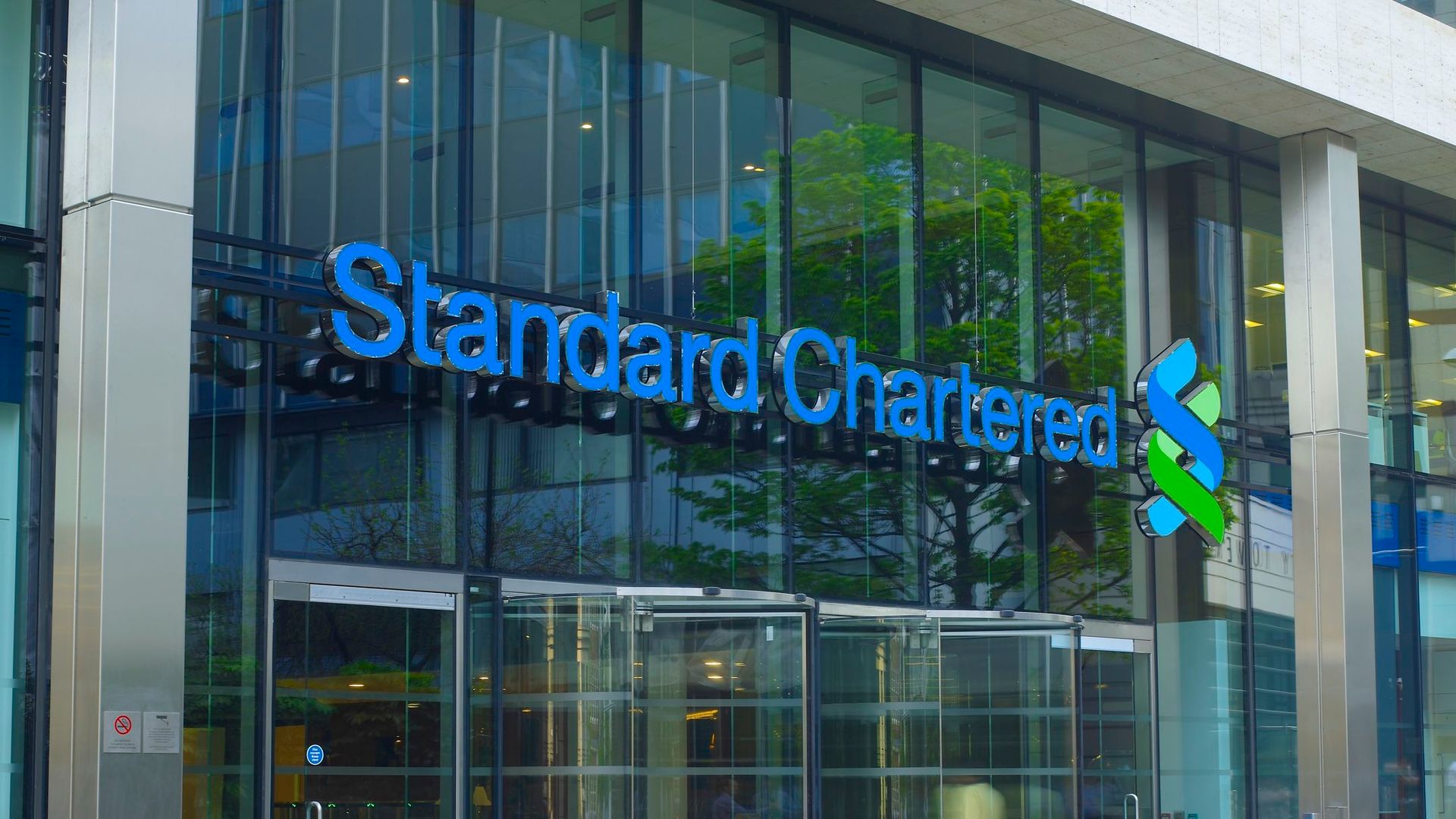
Standard Chartered Bank, a prominent UK-based multinational lender with a strong focus on Asia, has unveiled a strategic shift involving workforce automation. The bank plans to phase out “lower-value human capital” roles and replace them with advanced artificial intelligence technologies, signaling a significant transformation in its operational approach.
Strategic Workforce Overhaul and Investment in AI
The announcement comes as Standard Chartered continues to adapt to a rapidly evolving banking landscape where automation and AI increasingly drive efficiency and innovation. The bank aims to streamline its workforce by targeting roles deemed repetitive or lower in value, replacing those functions with AI systems capable of handling data analysis, customer service, and routine transactional processes more swiftly and accurately.
This move reflects a broader industry trend where financial institutions leverage AI to reduce costs, minimize human error, and enhance customer experiences. For Standard Chartered, which operates extensively across emerging markets in Asia, the Middle East, and Africa, implementing AI solutions represents a strategic effort to maintain competitive advantage amid rising operational demands and regulatory complexities.
Robust Shareholder Returns Amid Profit Growth
Alongside its workforce transformation, Standard Chartered has revealed ambitious plans to reward shareholders through a substantial share buyback program. The bank announced a $1 billion (approximately £800 million) share repurchase initiative, part of a broader commitment to return around $5 billion (£3.95 billion) to investors over the next three years.
This decision follows a period of robust profit growth for the lender, highlighting its solid financial footing despite global economic uncertainties. The share buyback not only signals confidence in the bank’s future earnings but also aims to enhance shareholder value by reducing the number of outstanding shares, potentially boosting earnings per share and stock price.
What This Means for the Banking Sector and Employees
Standard Chartered’s pivot toward AI-driven operations underscores a critical juncture for the banking sector. As institutions increasingly prioritize digital transformation, the role of human employees is shifting. While automation promises greater efficiency and cost savings, it also raises concerns about job displacement and the need for workforce reskilling.
Employees in roles categorized as “lower-value” may face redundancy or the necessity to acquire new skills aligned with AI oversight, data analytics, or strategic decision-making. The bank’s approach reflects a balancing act between technological advancement and workforce management, a challenge shared across the global financial industry.
For customers, this shift could translate to faster service, improved accuracy, and more personalized banking experiences powered by AI analytics. However, the human element in client relationships remains critical, especially in complex financial services where trust and personalized advice are paramount.
Looking Ahead: The Future of Banking at Standard Chartered
Standard Chartered’s dual strategy of embracing AI for operational efficiency while committing to substantial shareholder returns positions it as a forward-thinking player in the competitive banking landscape. This approach highlights the bank’s confidence in leveraging technology to drive growth and shareholder value concurrently.
As AI continues to reshape financial services, the industry will watch closely how Standard Chartered manages this transition, balancing innovation with human capital considerations. The bank’s experience could serve as a blueprint for other institutions contemplating similar shifts.
Ultimately, Standard Chartered’s move reflects the broader evolution of banking in the 21st century—where technology and finance intersect to redefine how value is created and delivered.