A remarkable archaeological discovery has emerged from a group of students linked to **King’s former school**, who uncovered the remains of what experts believe to be a medieval Viking church on a deserted Scottish island. This finding sheds new light on Norse influence in Scotland and offers a rare glimpse into the ecclesiastical architecture of the Viking Age.
The Discovery: Unearthing a Viking Legacy
The students were conducting exploratory research on an uninhabited island off the Scottish coast when they stumbled upon the ancient ruins. The structure, estimated to be around 1,000 years old, aligns with historical accounts of Viking settlements and religious sites established during the early medieval period.
Archaeologists specializing in Norse history have identified key features in the remains that suggest the site was a church used by Viking settlers. The building’s layout and construction techniques correspond with known Viking ecclesiastical architecture, which often combined Scandinavian craftsmanship with local influences.
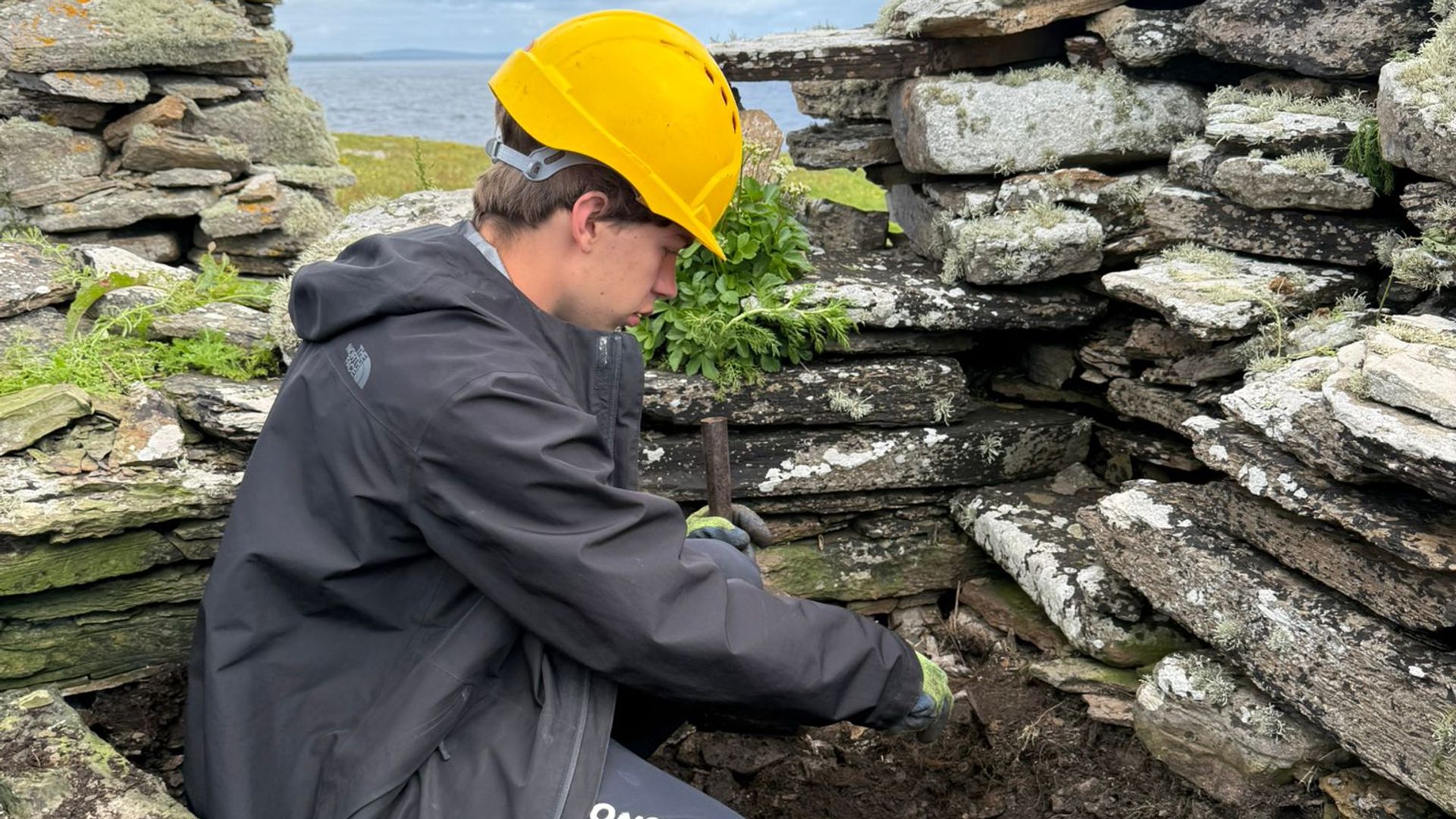
This discovery is particularly significant because few Viking churches have survived in Scotland, a region where Norse cultural and religious imprints were widespread but often eroded by centuries of change. The find offers tangible evidence of the Vikings’ spiritual life and their efforts to establish lasting communities in the British Isles.
Why This Discovery Matters
The unearthing of a Viking church provides invaluable insights into the religious practices and community organization of Norse settlers in Scotland. Unlike the stereotypical image of Vikings as solely raiders and warriors, this site highlights their role as farmers, settlers, and devout Christians during the transition from paganism to Christianity in the early medieval period.
Moreover, the location of the church on a remote island suggests the Vikings’ strategic use of the landscape for religious and social purposes. Churches served not only as places of worship but also as community centers, marking the spread of Christianity and the integration of Norse settlers into local cultural frameworks.
Historians and archaeologists believe that such sites can offer clues about trade routes, settlement patterns, and cultural exchanges between the Vikings and indigenous Scottish populations. The discovery thus enriches our understanding of Scotland’s complex past and the multicultural dynamics that shaped its development.
What Comes Next: Preserving and Exploring the Site
Following the students’ discovery, professional archaeological teams are expected to conduct detailed excavations to preserve the ruins and uncover further artifacts. These efforts will help piece together the daily lives of the Vikings who worshipped there and the broader historical context of the island’s use.
Local authorities and heritage organizations are likely to collaborate to protect the site, ensuring it remains accessible for future research and education. The involvement of King’s former pupils in this discovery also highlights the importance of engaging young people in archaeology and historical preservation.
This find has the potential to boost awareness of Scotland’s Viking heritage and attract scholarly interest as well as tourism, contributing to cultural and economic benefits for the region.
Looking Forward: The Significance of Viking Heritage
The uncovering of a 1,000-year-old Viking church by King’s former school students is more than an archaeological milestone—it is a vivid reminder of the enduring legacy of Viking culture in Scotland. It challenges narrow perceptions of the Vikings and opens a window into a transformative era when diverse peoples and beliefs converged.
As excavation and preservation efforts progress, this remote island church will continue to illuminate the spiritual and social dimensions of Viking life, offering lessons about cultural resilience and adaptation. For historians, archaeologists, and the public alike, the site represents a tangible connection to a formative chapter in Scotland’s rich history.