

The man accused in the high-profile “Putney pusher” case, where a woman was violently shoved into the path of an oncoming bus by a jogger, has been discovered dead at his residence, according to Sky News sources. This shocking development adds a grim new chapter to a case that stirred public outrage and intense media scrutiny.
What Happened in the ‘Putney Pusher’ Case?
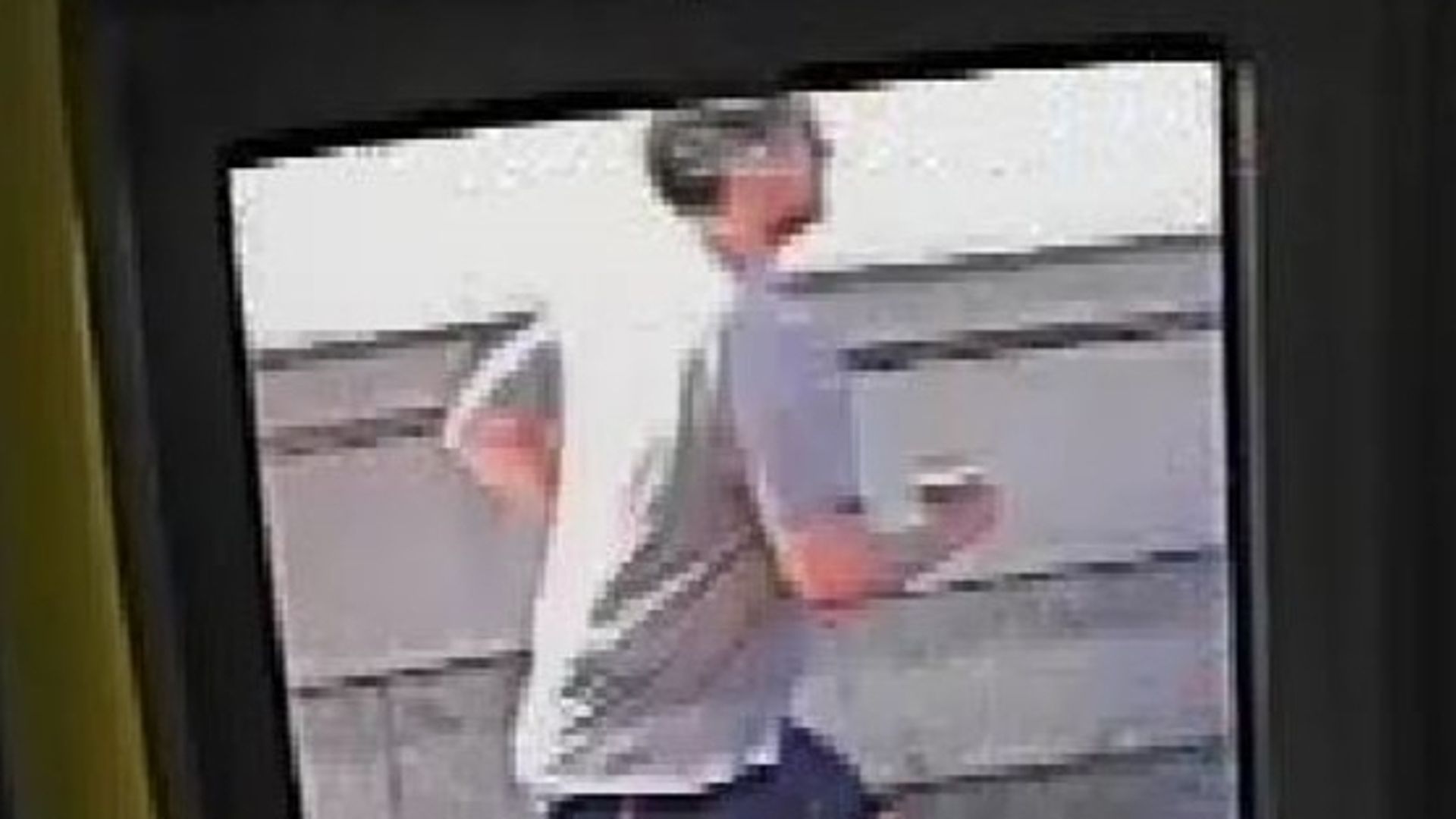
The “Putney pusher” incident occurred in the Putney area of London, where a female pedestrian was targeted by a man running nearby. Eyewitnesses reported seeing the jogger suddenly shove the woman into the path of a double-decker bus, an act that could have resulted in fatal injuries. Fortunately, the victim survived but suffered serious physical and psychological trauma.
The case quickly drew widespread attention due to the seemingly random nature of the attack and the brutal recklessness displayed. Public safety concerns escalated as residents of Putney and neighbouring communities grappled with the shock of such violence occurring in broad daylight on a busy street.
The Suspect’s Death and Its Impact on the Investigation
Authorities have confirmed that the primary suspect in this case was found dead at his home. Details surrounding the cause of death have not been disclosed, but police are treating the matter seriously and continue to investigate all circumstances related to the suspect’s demise.
This unexpected development raises complex questions for law enforcement and the victim’s family. Without the suspect available for questioning or trial, the pursuit of justice faces significant obstacles. Investigators must now focus on gathering all possible evidence from the scene, witness statements, and any digital or forensic data linked to the case.
The broader community remains anxious about safety and accountability. The suspect’s death does not diminish the severity of the attack or the need for comprehensive measures to prevent similar incidents. Local authorities have reiterated their commitment to public security and support for the victim.
Why the ‘Putney Pusher’ Case Matters
This case highlights the vulnerability of pedestrians in urban environments and the devastating consequences when random acts of violence occur. It underscores the urgent need for enhanced surveillance, community vigilance, and stronger legal frameworks to deter such attacks.
For the victim, the road to recovery—both physical and emotional—will be long and challenging. The incident has sparked conversations about mental health, public safety infrastructure, and the responsibilities of city planners to protect those on foot.
Moreover, the suspect’s death leaves many unanswered questions. It deprives the victim and the public of the closure that a judicial process might have provided. Investigators and legal experts will likely analyze the case for lessons on how to better handle similar crimes in the future.
Looking Ahead: What Comes Next?
With the suspect no longer alive, the investigation will pivot toward piecing together the full narrative through evidence and witness accounts. Police have promised to maintain transparency and keep the public informed as the inquiry progresses.
Community leaders in Putney are calling for increased safety initiatives, including better lighting, more CCTV coverage, and public awareness campaigns to reduce risks for pedestrians. The incident has galvanized local advocacy groups pushing for stronger protections against random assaults.
In the broader context, the “Putney pusher” case serves as a stark reminder of the unpredictable dangers lurking in urban settings. It emphasizes the importance of collective efforts—from law enforcement, city officials, and residents—to foster safer environments.
Conclusion: A Tragic Turn in a Disturbing Case
The death of the suspect in the “Putney pusher” case marks a tragic and unsettling turn in an already distressing story. While it complicates the pursuit of justice, it also shines a spotlight on critical issues surrounding urban safety and victim support. As investigations continue, the community’s focus remains on healing, prevention, and ensuring that such violent acts never happen again.