

Tata Steel UK, the nation’s largest steel producer, has formally sought additional government funding amid significant delays in modernizing its key facility at Port Talbot. This development highlights growing concerns about the worsening crisis engulfing Britain’s manufacturing sector, already under severe pressure from global market shifts and domestic economic challenges.
The Struggle to Revitalize Port Talbot
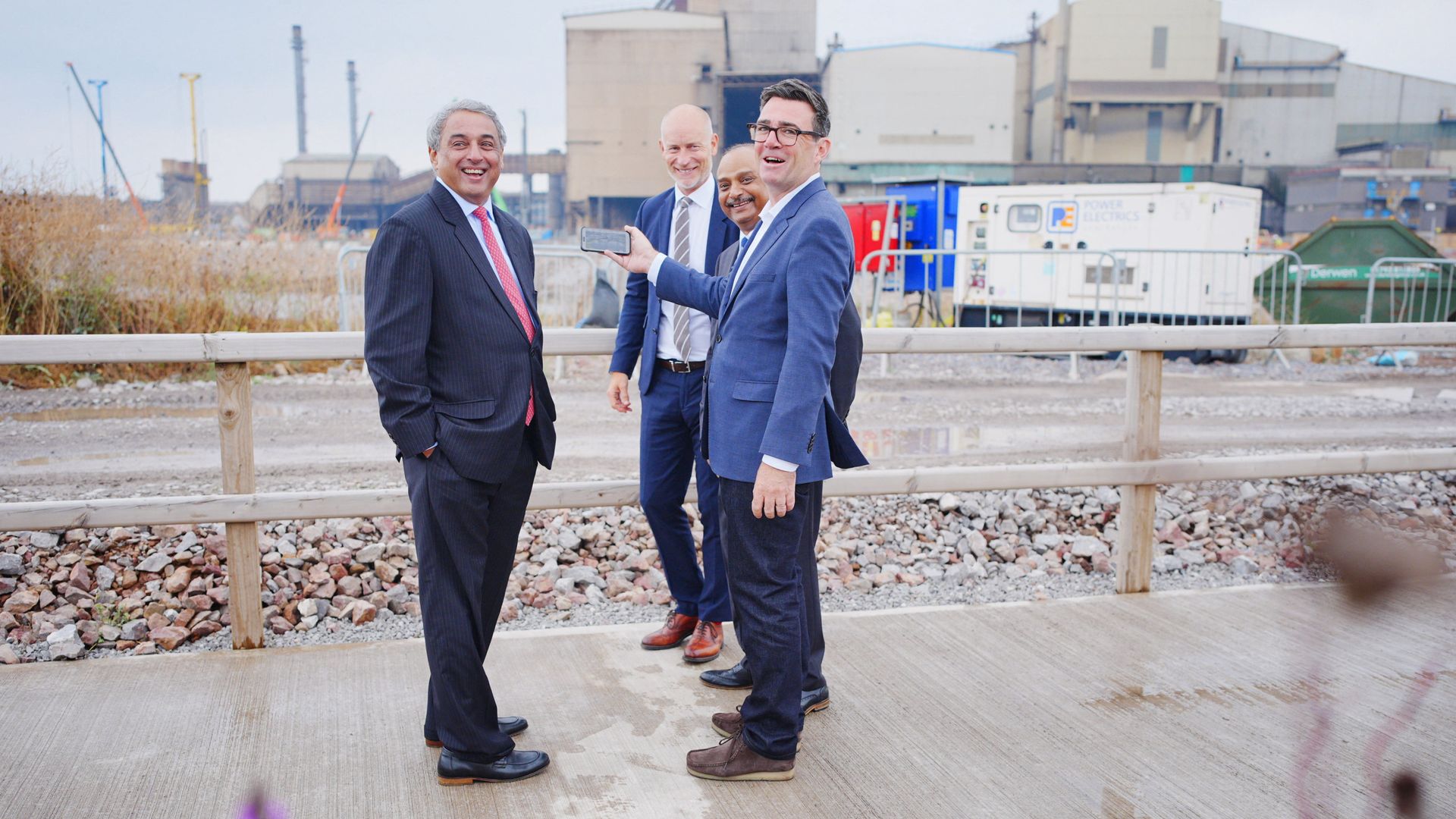
Tata Steel’s Port Talbot plant stands as a critical pillar of the UK’s industrial base, historically one of the largest steelworks in Europe. Yet, efforts to transform and upgrade this facility have encountered considerable setbacks. Delays in implementing new technology and infrastructure upgrades threaten the plant’s operational efficiency and long-term viability.
These modernization projects aim to reduce carbon emissions and improve competitiveness in an industry facing fierce international rivalry, particularly from cheaper steel imports. Without these upgrades, Tata Steel risks losing market share and further exacerbating the sector’s fragility, which has already seen closures and job losses across the country.
Why Government Funding Matters Now
The request for fresh government investment reflects the gravity of the situation. Tata Steel’s management argues that without immediate financial support, the company may struggle to sustain its operations amid rising costs and uncertain demand. This plea for public funds underscores the steel industry’s strategic importance to the UK economy, encompassing thousands of jobs and extensive supply chains.
Steel production is a backbone industry that supports construction, automotive manufacturing, and infrastructure projects nationwide. The health of Port Talbot, in particular, reverberates beyond South Wales, influencing regional economies and national industrial capabilities.
Government intervention is often viewed as essential to safeguard such industries during periods of transition, especially as the UK seeks to meet ambitious environmental targets while maintaining industrial output. Tata Steel’s appeal thus signals a critical juncture where government policy will directly impact the future of British manufacturing.
Broader Implications: What This Means for UK Manufacturing
The situation at Tata Steel portends wider challenges for the UK’s manufacturing sector amid a complex mix of economic pressures. Supply chain disruptions, inflationary costs, and global competition have strained many industries, with steel manufacturing emblematic of these struggles.
Failure to modernize key industrial assets like Port Talbot risks undermining the UK’s ability to compete globally, potentially leading to further plant closures and job losses. Conversely, successful government backing could stabilize the sector, enabling investment in green technologies and improved production processes that align with evolving market demands.
For workers and communities linked to steel production, the stakes are high. Sustained government support could preserve thousands of jobs and maintain vital industrial skills, while a lack of intervention might accelerate economic decline in affected regions.
Looking Ahead: The Path Forward
As Tata Steel awaits a government decision on funding, the broader manufacturing sector watches closely. This moment could set a precedent for how the UK balances industrial sustainability, environmental commitments, and economic resilience.
Successful revitalization of Port Talbot would not only secure a key industry player but also signal a commitment to preserving the UK’s manufacturing heritage in a rapidly changing global economy. Meanwhile, delays or inadequate support risk deepening the crisis and exposing the vulnerabilities of Britain’s industrial heartlands.
In summary, Tata Steel’s funding request marks a pivotal chapter in the UK’s industrial narrative. The outcome will shape the future of steel manufacturing and influence broader economic health, highlighting the urgent need for coordinated action between industry leaders and policymakers.