

A fierce legal confrontation looms as a consortium of investors backing a rescue plan for Thames Water gears up to challenge Greater Manchester Mayor Andy Burnham and his government’s move to forcibly nationalise the UK’s largest water utility. This escalating dispute signals deep tensions over public ownership and the future of essential infrastructure management in Britain.
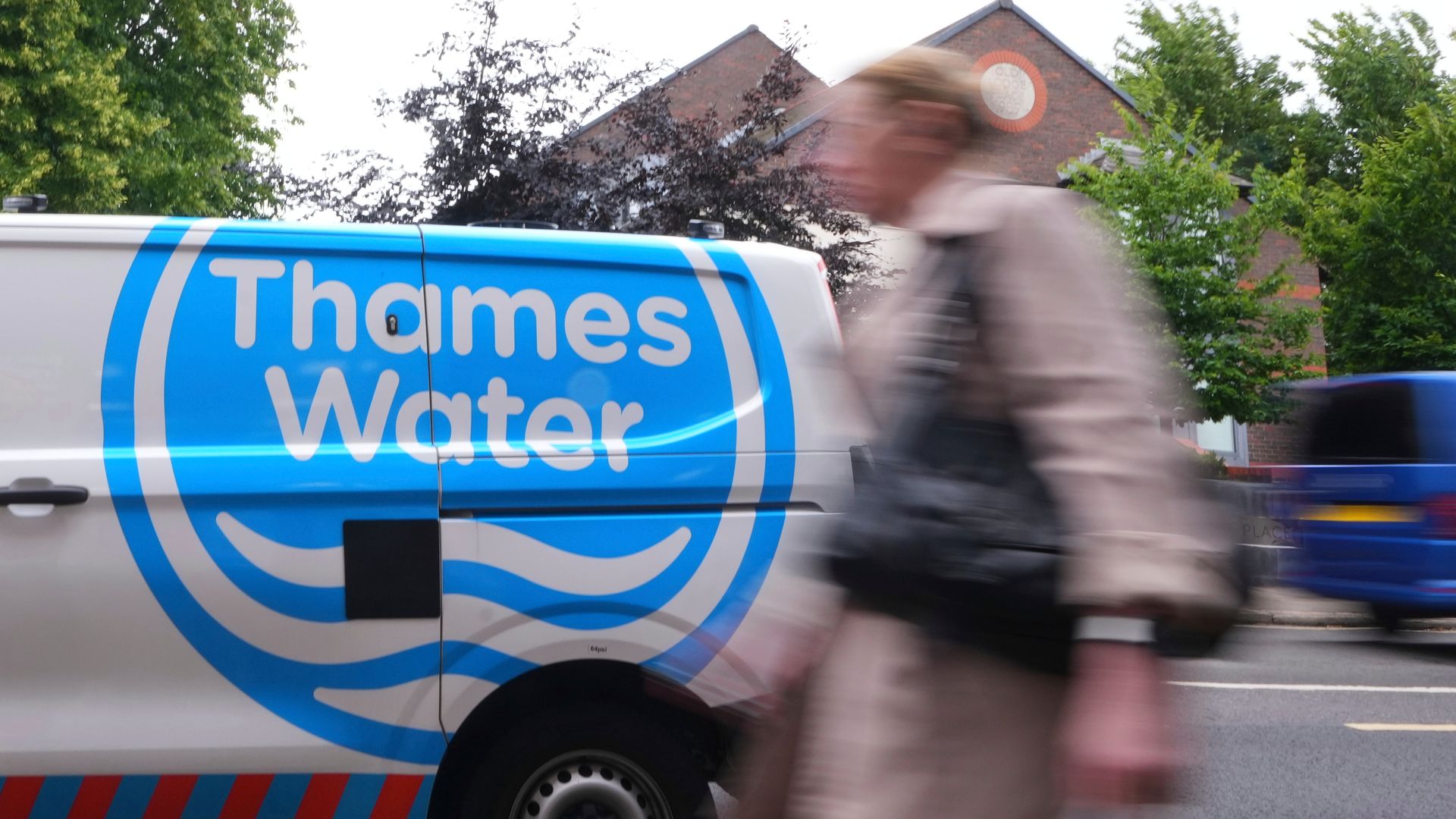
The High-Stakes Conflict Over Thames Water’s Future
Thames Water, the country’s biggest water supplier, has faced mounting financial pressures and operational challenges in recent years. In response, a group of institutional investors has proposed a multi-billion-pound rescue bid aimed at stabilising the company while keeping it under private ownership. However, Mayor Andy Burnham and his administration have announced plans to nationalise the utility, arguing that public ownership will better serve the interests of consumers and the environment.
This fundamental clash over control has escalated into threats of a prolonged and costly legal battle. The investor group is prepared to challenge the government’s nationalisation efforts through the courts, seeking to protect their substantial investments and oppose what they see as unwarranted state interference in the water sector.
Why Thames Water’s Ownership Matters
Thames Water provides essential services to millions of households and businesses across the UK, managing vast infrastructure that delivers clean water and handles wastewater treatment. The company’s performance directly affects public health, environmental sustainability, and regional economies.
Supporters of nationalisation, including Burnham, argue that private ownership has frequently failed to uphold adequate service standards and environmental protections. They contend that bringing Thames Water into public control would allow for greater accountability, improved investment in infrastructure, and better alignment with climate goals.
Conversely, investors maintaining the private model emphasize the risks of government takeover, including the potential for inefficiencies, political interference, and disruption to ongoing investment initiatives critical to the company’s recovery.
What Comes Next: Legal Showdown and Industry Impact
The impending legal action could set a significant precedent for how essential utilities are governed in the UK. If the investors succeed, nationalisation efforts may be delayed or derailed, reinforcing private sector stewardship of Thames Water. If the government prevails, it could embolden broader public ownership campaigns across other sectors.
For now, both sides are bracing for a complex legal battle that will play out in courts and political arenas. The stakes extend beyond Thames Water, touching on broader debates about public versus private management of vital services and the role of government intervention in critical infrastructure.
The outcome will have profound implications for consumers, investors, and policymakers navigating the future of Britain’s utilities amid growing environmental and social pressures.
Why This Legal Battle Matters to You
Water is a fundamental necessity, and how it is managed impacts everyday life, health, and the environment. The dispute over Thames Water’s ownership reflects wider questions about accountability, sustainability, and investment in infrastructure that affects millions. Understanding this conflict helps citizens grasp the complexities behind public services often taken for granted.
As the legal battle unfolds, it will reveal much about the balance between private investment and public control in delivering essential services. Stakeholders across the UK will be watching closely, as the resolution could reshape the water industry and influence future policies on nationalisation and public ownership.