

Thames Water now stands perilously close to temporary public ownership after the UK government voiced strong opposition to a £10 billion rescue package proposed by the company’s lenders. This development throws the future of England’s largest water utility into uncertainty, raising concerns about the stability of water services for millions of customers.
What Happened: The Collapse of the Lenders’ £10bn Rescue Plan
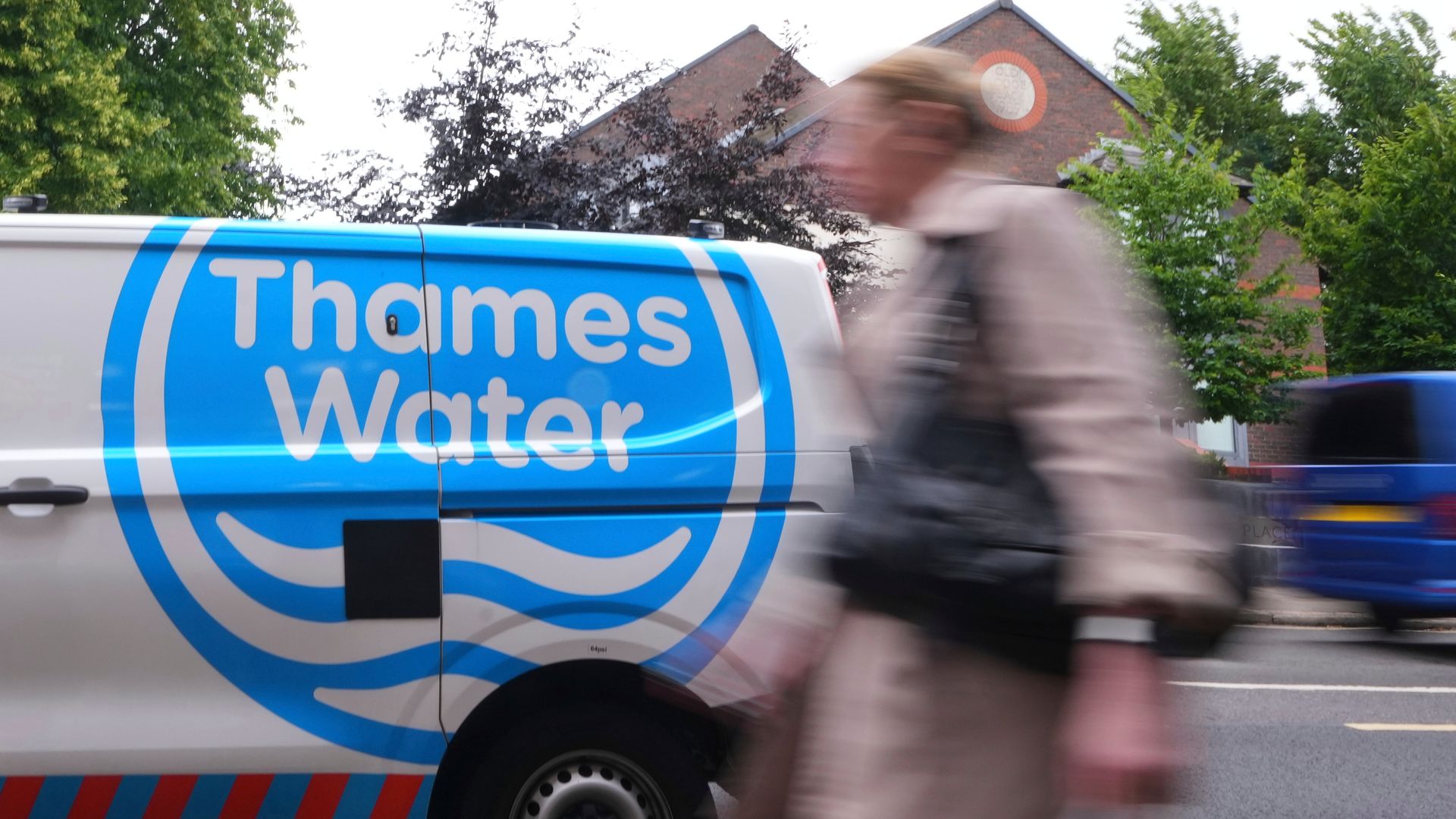
Thames Water, responsible for supplying water and wastewater services to approximately 15 million people across London and the Thames Valley, has been struggling under mounting financial pressures. The company’s lenders had assembled a £10 billion rescue plan designed to stabilize the utility and secure its financial future. However, the UK government has rejected this deal, branding it as “weak” and insufficient to guarantee long-term resilience and consumer protection.
The government’s refusal to back the rescue package immediately raises the prospect that Thames Water could be placed under temporary public ownership. This approach would allow the state to intervene directly, aiming to protect customers and ensure continuity of essential water services while a more sustainable solution is developed.
Why This Matters: The Stakes for Customers and the Water Industry
Thames Water’s financial troubles stem from a complex mix of infrastructure investment demands, environmental compliance costs, and operational challenges. The company has faced criticism over repeated pollution incidents and rising customer bills, intensifying scrutiny from regulators and the public alike.
Temporary public ownership is an extraordinary measure that underscores the severity of Thames Water’s situation. If the government steps in, it could signal a shift in how essential utilities are managed in the UK, potentially reshaping regulatory frameworks and investor confidence.
For customers, the stakes are high. Reliable water supply and wastewater treatment are fundamental to public health and economic activity. Any disruption or degradation of services could have widespread consequences. The government’s rejection of the rescue deal suggests it demands a solution that not only rescues Thames Water financially but also enforces stronger environmental and operational safeguards.
What Comes Next: Navigating an Uncertain Future
With the lenders’ rescue plan off the table, Thames Water faces a critical crossroads. The company must now work closely with government officials, regulators, and stakeholders to develop a more robust plan. This could involve restructuring its debt, increasing investment in infrastructure and environmental measures, or potentially transitioning to partial or full public ownership.
The government’s stance indicates a willingness to play a more active role in safeguarding essential services, but the path forward remains complex. Balancing the interests of taxpayers, customers, investors, and environmental commitments will require careful negotiation and strategic planning.
Looking Ahead: What This Means for the UK Water Sector
The challenge facing Thames Water highlights broader issues within the UK’s water sector, including the need for sustainable financing models and improved environmental stewardship. The outcome of this crisis could set precedents affecting other utilities and influence future regulatory policies.
For now, the immediate focus lies on preventing service disruption and restoring financial stability. As the government and Thames Water navigate this critical period, customers and stakeholders alike will be watching closely to see how the crisis resolves and what reforms might emerge.
In summary, Thames Water’s rescue is at a critical impasse following government rejection of a £10 billion lenders’ deal. The path forward may involve temporary public ownership and significant restructuring, with profound implications for water service delivery and regulatory governance in England. Full details of the next steps have yet to be finalized, but the urgency of securing a sustainable future for Thames Water has never been clearer.