

The ongoing war in Iran is poised to disrupt Britain’s cherished culinary staple: the humble chip. As global energy prices soar amid geopolitical tensions, the ripple effects are now hitting the UK food sector with particular force. The Bank of England’s governor recently highlighted that inflation linked to the Iran conflict will most severely impact food prices, signaling tough times ahead for consumers and businesses alike.
The Immediate and Delayed Impact on UK Food Prices
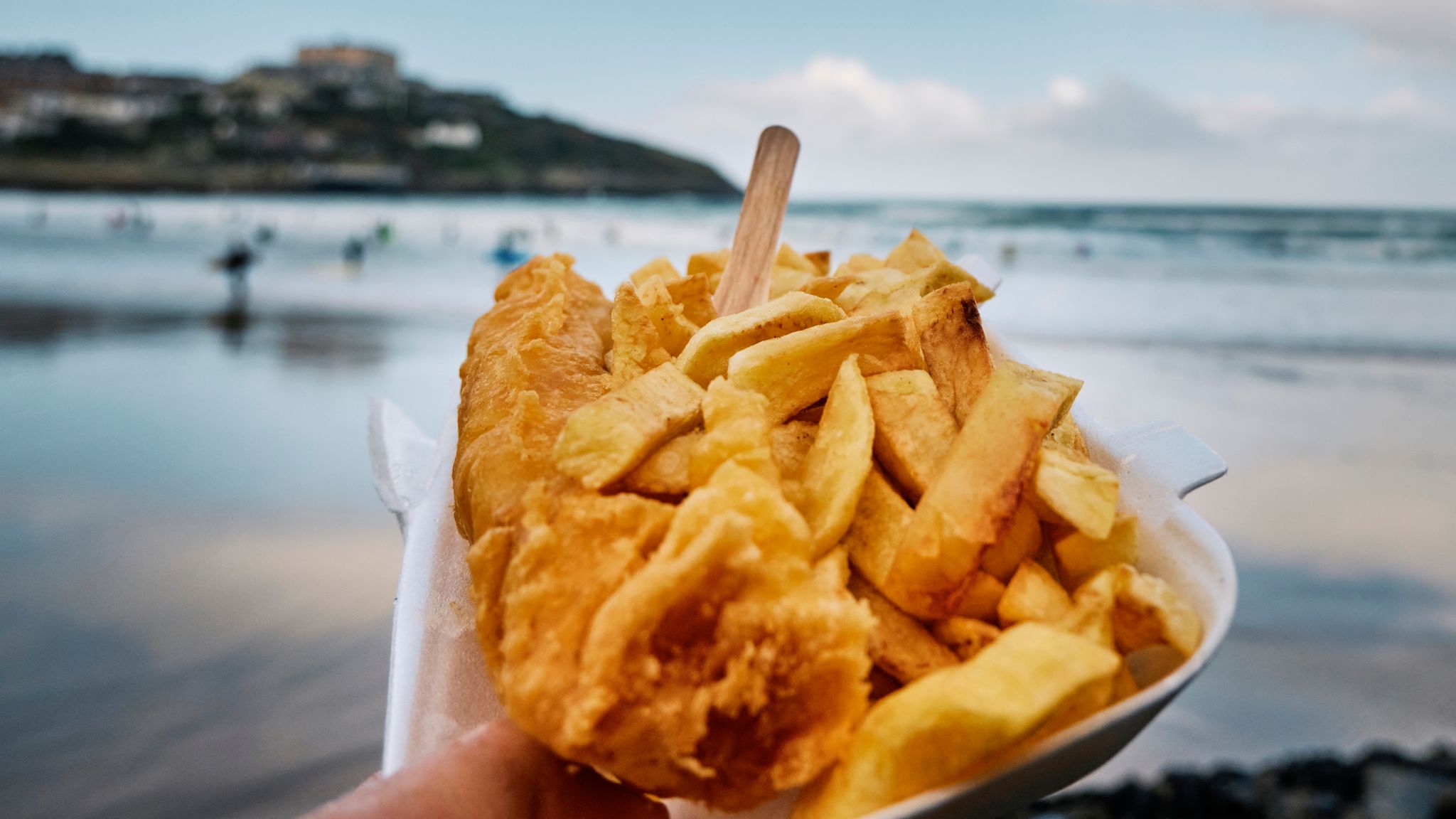
Energy, cooking oil, and fish prices are climbing rapidly, squeezing margins for many in the food supply chain. The National Federation of Fish Fryers warns that these cost surges threaten the viability of fish and chip shops, with rising prices and shrinking portion sizes already evident. This sector, a cornerstone of British food culture, faces an uncertain future if inflationary pressures persist.
However, the potato industry, while not immune, is experiencing a more staggered impact. Scott Walker, Chief Executive of GB Potatoes, explains that the way the potato supply chain operates delays the full brunt of cost increases. UK potato producers typically work under annual growing contracts that lock in prices and supply agreements ahead of the season. This structure currently shields consumers from immediate price hikes, with raw potato prices remaining subdued amid a Europe-wide surplus.
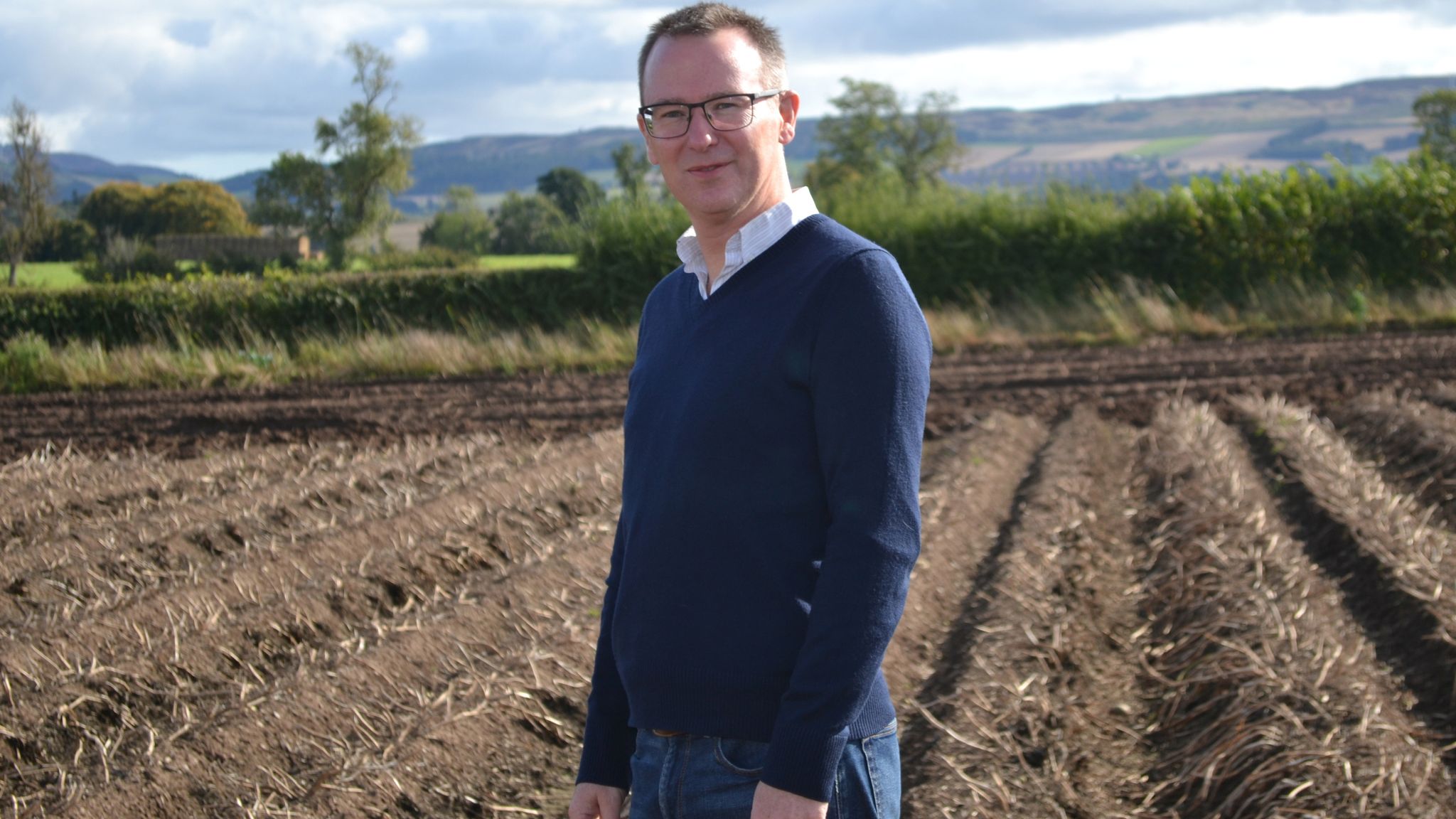
“At this moment in time, people shouldn’t be paying any more,” Walker assured, noting that most fertiliser and fuel for the current growing season were purchased before the conflict escalated. Yet, he cautioned that this reprieve is temporary. By 2027, contracts will need to reflect significant cost increases, including a doubling of red diesel prices and higher fertiliser, packaging, tax, and wage expenses.
Red diesel—a crucial fuel for farming machinery—has surged from about 65p per litre last year to around 120-140p this year. Walker emphasized that if diesel prices remain elevated, additional costs for planting, irrigation, harvesting, and distribution will compound. A dry summer would worsen the situation by forcing farmers to rely more on diesel-powered irrigation systems, further inflating expenses.
How Crisps and Other Potato Products Face Price Pressures
The rising costs extend beyond chip shops to the luxury crisp market. Mike Russell Smith, co-founder of the Cambridge-based Savoursmiths crisp brand, grows his own potatoes and manufactures crisps onsite. He echoed Walker’s concerns about energy and raw material inflation.
Last year’s bumper European potato harvest created a “massive oversupply,” pushing potato prices down. However, this has been offset by soaring costs for sunflower oil—a key ingredient in crisp production—due to the Russia-Ukraine conflict. Labour, harvesting, production, and cold storage expenses have also escalated.

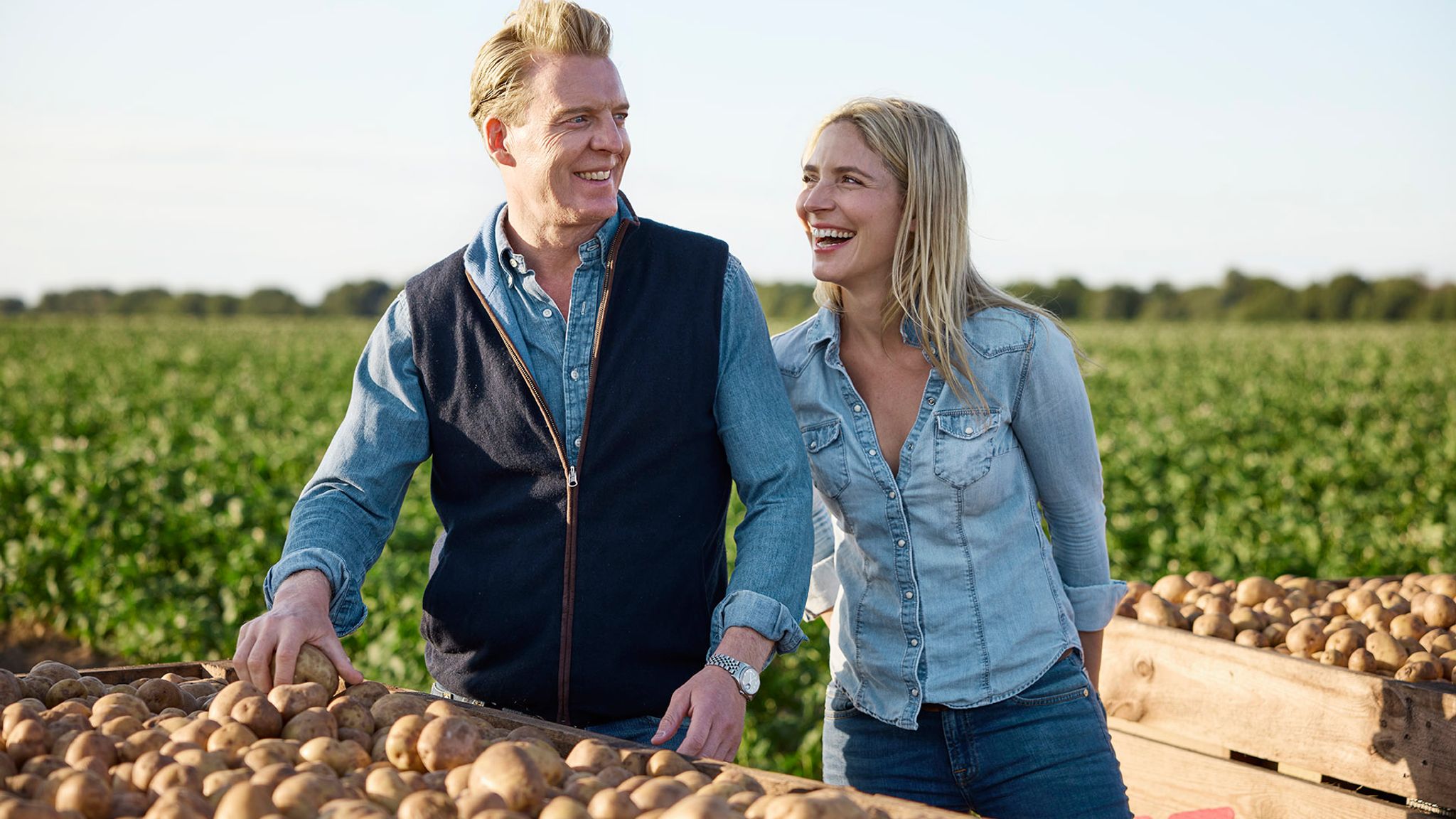
“The softer price of the potato due to the surplus is significantly offset by much higher energy costs and cooking oil prices,” Russell Smith explained. He anticipates that by 2027, the company will have to consider raising consumer prices in an intensely competitive market where cost absorption has limits.
Industry Calls for Government Support Amid Rising Regulations
Walker stressed the crucial role of government intervention to ease the mounting pressure on the potato and broader food sectors. He highlighted how regulatory burdens and rising electricity costs add to the financial strain.
One critical issue is water access for farming. Current regulations restrict farmers’ ability to store water, a vital resource for crop resilience and food security. Walker urged policymakers to relax these rules to enable better resource management and reduce vulnerability to climate variability.
In response, a government spokesperson acknowledged the seriousness of the Iran war’s impact on inflation and food prices. They assured that the UK’s food system remains resilient and that ongoing dialogue with farmers’ unions and stakeholders aims to address fuel and oil cost challenges.
What This Means for British Consumers and Food Security
The intersection of global conflict, energy price surges, and supply chain dynamics paints a complex picture for Britain’s food future. While immediate price hikes for potatoes are currently contained, the compounded inflationary pressures on fuel, fertilisers, and packaging point to inevitable cost increases by 2027.
The fish and chip sector, emblematic of British culture, is already feeling the pinch, with some shops struggling to survive amid rising operational costs. Luxury crisp producers face similar dilemmas, balancing competitive pricing with soaring input expenses.
Government action to ease regulatory constraints and support energy cost relief will be pivotal in stabilizing the industry. Without intervention, consumers can expect higher prices for their favourite potato products in the coming years, affecting affordability and accessibility.
As the conflict in Iran continues to reverberate globally, its indirect effects on everyday staples like chips serve as a reminder of the intricate links between geopolitics and local economies. For now, consumers can still enjoy their chips without immediate price shock, but the horizon signals a challenging adjustment phase ahead.