

The future of the UK’s state pension triple lock is under intense scrutiny as the Tony Blair Institute (TBI) urges its abolition, branding the policy outdated and financially unsustainable. This call has sparked a crucial debate about how best to support a rapidly aging population while balancing public finances and evolving work patterns.

What Is the Triple Lock and Why Is It Controversial?
Introduced in 2010, the state pension triple lock guarantees that every April, the state pension rises by the highest of three measures: average earnings growth from the previous May to July, the Consumer Prices Index (CPI) inflation rate from the previous September, or a minimum increase of 2.5%. This mechanism was designed to protect pensioners’ incomes against inflation and wage stagnation, ensuring their standard of living does not erode over time.
However, the TBI argues that this system is no longer fit for purpose. Its recent report highlights that the triple lock causes pensions to grow faster than average earnings, placing an increasing financial strain on the public purse. With the UK’s population aging—projected to rise from 12.6 million pensioners today to nearly 19 million by 2070—the cost of maintaining this guarantee is escalating rapidly.
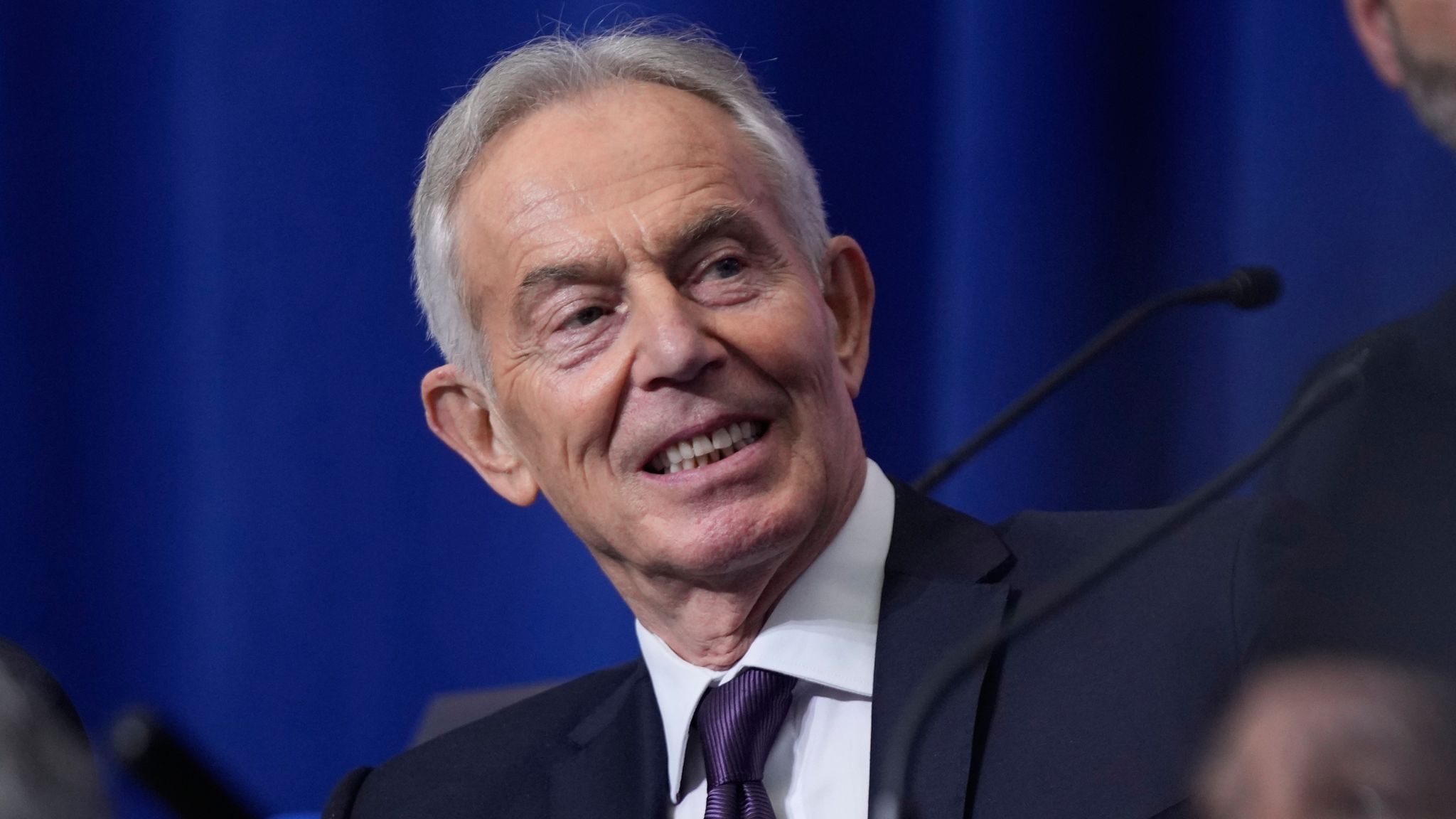
Tom Smith, TBI’s Director of Economic Policy, warns that continuing to fund the triple lock “is increasingly unaffordable.” The institute calls on political leaders to demonstrate courage and leadership in confronting what it describes as an outdated and rigid system that fails to reflect modern working lives and income patterns.
An Alternative Model: The Lifespan Fund
In place of the triple lock, the Tony Blair Institute proposes establishing a “lifespan fund”, a more flexible and sustainable approach to providing state-backed income support throughout people’s lives. This fund would allow individuals to build entitlement not just through paid employment but also through caregiving, study, and other socially valuable activities.
Under this model, workers would make annual contributions to a notional fund designed to accumulate enough to support up to 20 years of state-backed income at today’s pension level. Crucially, it would allow people to access some of these funds before retirement during “critical periods” such as unemployment, retraining, or caring responsibilities.
To maintain fairness and replenish the fund, those who draw early support would face higher national insurance contributions upon returning to work. This “default path” ensures that the fund remains solvent and that individuals can rebuild their entitlement over time.
The TBI believes this approach better matches the realities of contemporary working lives, which are increasingly non-linear, and allows the state to provide support when it’s most needed, rather than concentrating all assistance at retirement.
Political and Public Responses
The debate over the triple lock has become highly politicized. The Labour leader Sir Keir Starmer and Conservative MP Kemi Badenoch have both publicly pledged to retain the triple lock, emphasizing its importance for pensioner incomes. Similarly, former Brexit Party leader Nigel Farage has vowed to preserve it, even if it means cutting other welfare spending.
Meanwhile, Age UK’s charity director Caroline Abrahams advocates for maintaining the triple lock in the next parliament, highlighting its role in lifting some of the poorest pensioners out of poverty. She stresses the need for a broader national conversation about the purpose and adequacy of the state pension, noting that the current level often falls short of providing a decent standard of living in later years.
The Department for Work and Pensions (DWP) reiterates its commitment to the triple lock for the remainder of the current parliamentary term, promising pensioners increases that could total up to £2,100 annually. The department also points to ongoing work by the pensions commission to explore how to secure retirement incomes for future generations and those approaching pension age.
Why This Debate Matters
The question of how to support an aging population while managing public finances is one of the UK’s most pressing social and economic challenges. The triple lock has been a popular policy among pensioners but presents growing budgetary pressures amid demographic shifts and economic uncertainty.
Moving to a more flexible system like the lifespan fund could better reflect the modern workforce’s realities, offering support across a person’s lifetime rather than concentrating it solely at retirement. However, such a change would require significant political will and public consensus, as it challenges entrenched expectations about pension entitlements.
As the UK faces the twin pressures of longer life expectancy and changing work patterns, policymakers must balance fairness, sustainability, and adequacy to ensure that future pensioners can live with dignity without compromising the country’s fiscal health.
Looking ahead, the decision on the triple lock will signal how the UK plans to adapt its social security system for the 21st century—whether by preserving established guarantees or embracing innovation to meet evolving needs.