

A heartbreaking tragedy unfolded in northeast London as a 12-year-old boy lost his life after entering a local river. The incident has left the community in shock and mourning, highlighting the dangers of waterways even in urban environments.
The Incident: What Happened?
Authorities were called to the scene in northeast London following reports of a child who had entered the river and was in distress. Despite rapid emergency response efforts, the young boy tragically drowned. Rescue teams, including the fire brigade and police, arrived swiftly, but the severity of the situation left little hope.
Emergency services worked tirelessly to recover the boy and provide assistance, but he was declared deceased at the scene. The exact circumstances leading to the boy entering the river remain under investigation, though initial reports indicate he may have been playing near the water.
Community Impact and Response
The loss of a child in such tragic circumstances has sent ripples throughout the local community. Families, schools, and neighbors have expressed profound grief over the unimaginable loss. Community leaders have called for greater awareness around water safety, especially for children, emphasizing the importance of supervision near rivers, lakes, and other bodies of water.
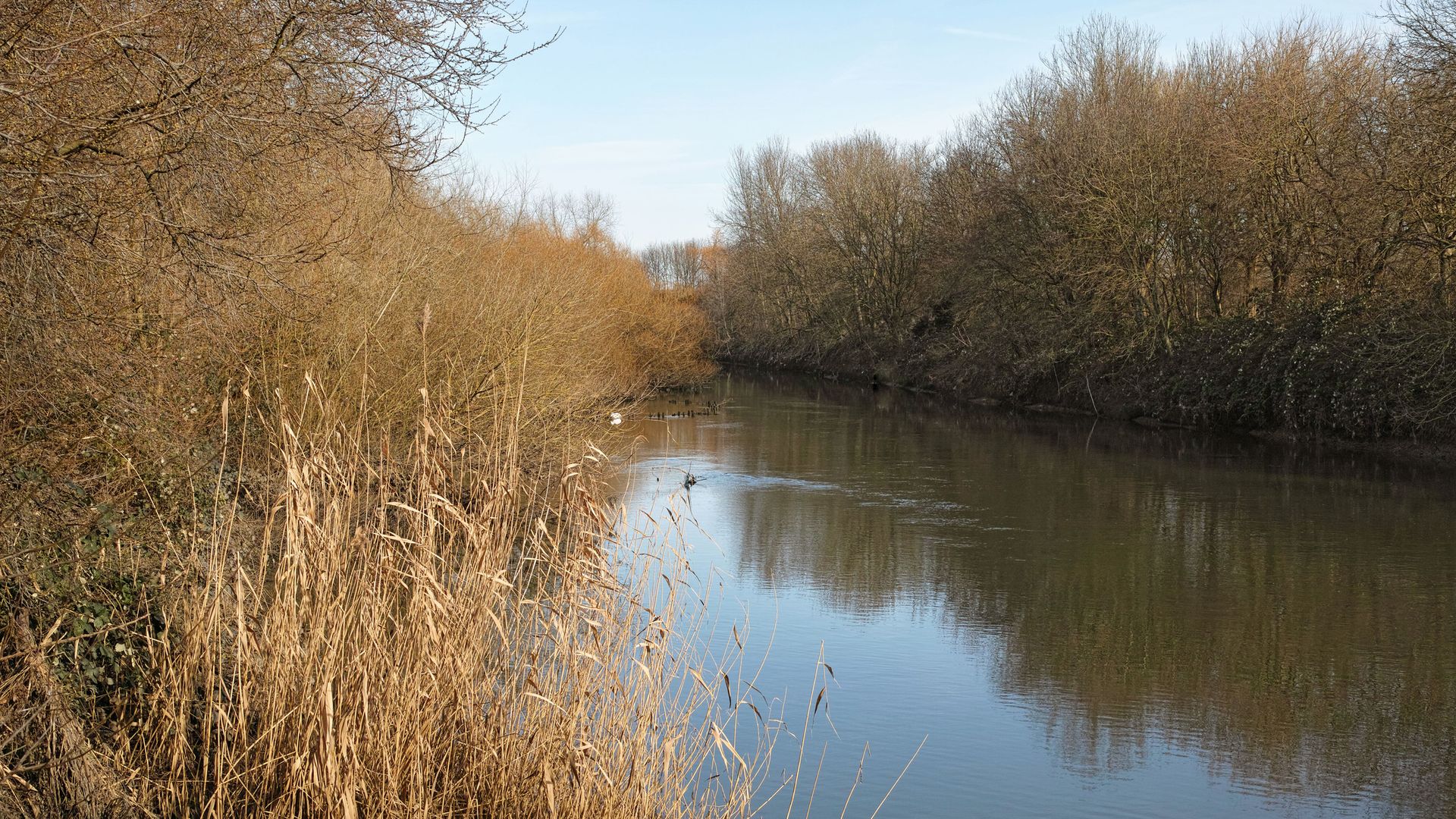
River areas in urban settings can appear deceptively safe, yet they pose substantial risks, especially for young children who may underestimate the dangers of currents, cold water, and underwater hazards. This incident serves as a grim reminder of the need for vigilance and safety education.
Why Water Safety Education Matters
Water-related accidents are a leading cause of accidental death among children in the UK. Preventative measures such as swimming lessons, clear signage around hazardous areas, and community education programs are critical to reducing such tragedies. The recent drowning underscores the urgency of these efforts.
Local authorities and organizations often collaborate to promote water safety campaigns, particularly during warmer months when children are more likely to play near water. The community is now rallying to support the bereaved family and to advocate for stronger safety protocols around rivers and other natural water bodies.
What This Means Moving Forward
This devastating event is a stark call to action for parents, caregivers, and local councils alike. Ensuring children’s safety near water requires constant attention, education, and precaution. As investigations continue, the community hopes to honor the young boy’s memory by preventing similar tragedies in the future.
Families are encouraged to have open conversations about water dangers and to teach children how to respond safely around rivers and lakes. The loss has also sparked discussions about increasing patrols and installing barriers or warning signs in vulnerable areas.
While the pain of this loss is immense, it brings an urgent focus on protecting children and raising awareness about the hidden dangers of everyday environments. The hope is that through collective action and education, future accidents can be prevented, safeguarding young lives across London and beyond.