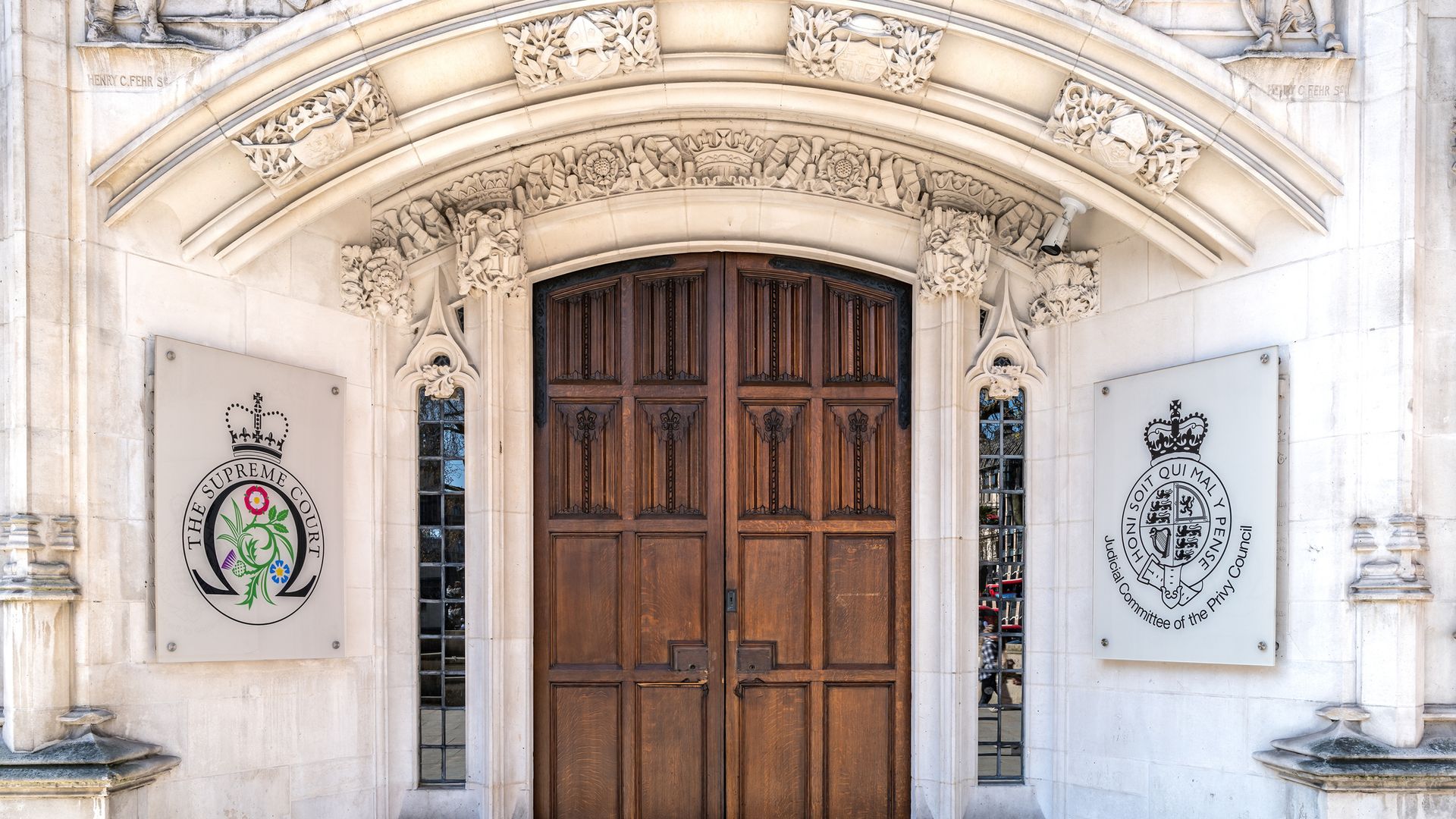
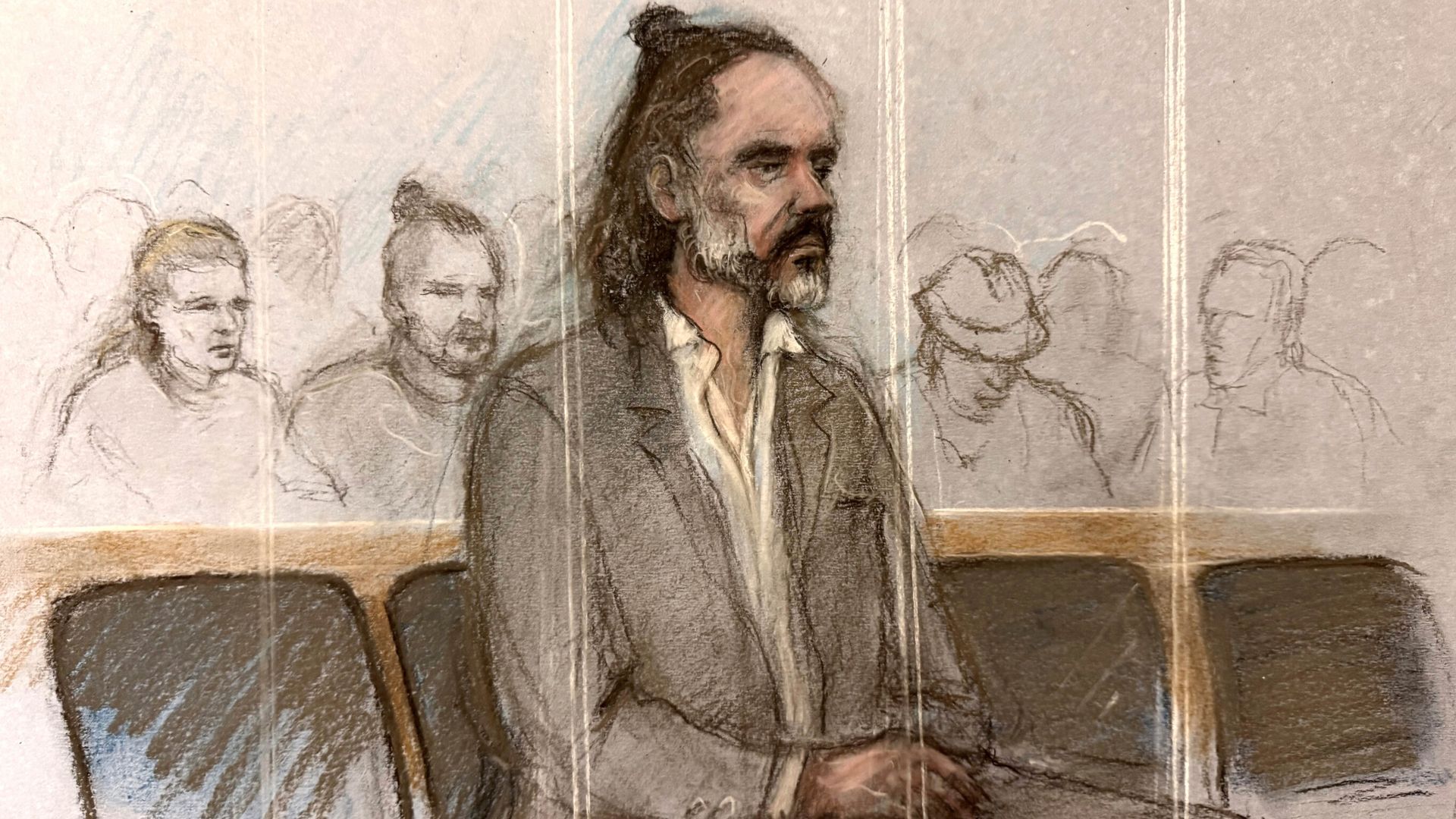
The driver of a London-bound train where ten people were brutally stabbed recounted hearing urgent screams through the door microphone, alerting him to a knifeman attacking passengers. This chilling courtroom testimony sheds new light on the harrowing moments inside the train and the chaos that unfolded during the violent assault.
What Happened on the Train?
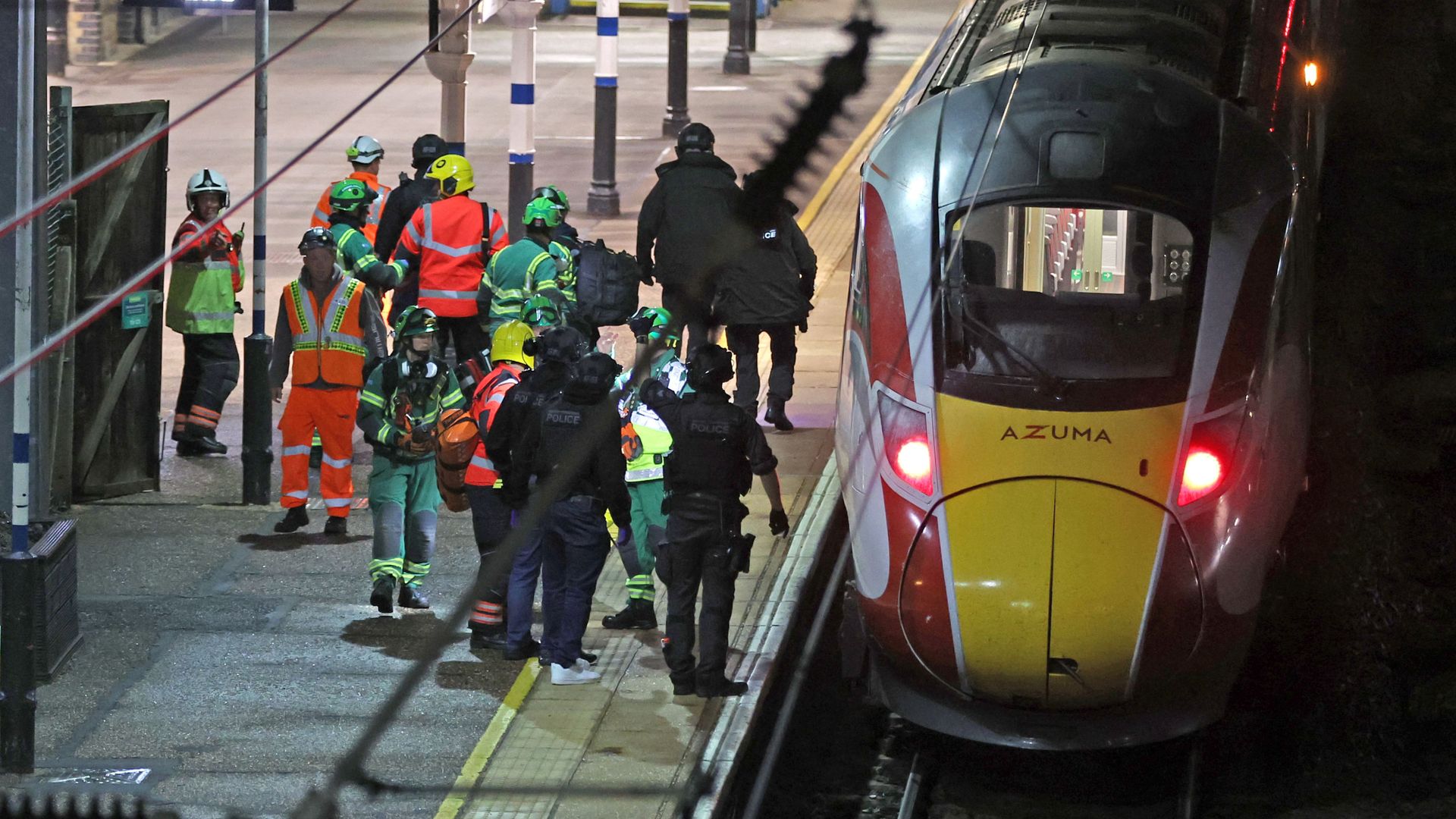
On the day of the attack, a passenger train heading into London became the scene of a horrifying stabbing spree. Ten individuals suffered serious knife wounds before emergency responders could intervene. The driver, whose role is critical for both safety and communication, was among the first to become aware that something was terribly wrong.
During the court proceedings, the driver revealed that he heard someone screaming over the train’s internal door microphone system. The screams were a frantic warning that a knifeman was actively attacking people in the carriage. This immediate alert added a crucial firsthand perspective to the incident, illustrating the driver’s experience of the unfolding emergency.
The Driver’s Role and Response
Train drivers are trained to prioritize passenger safety, and their ability to respond swiftly to emergencies can save lives. In this case, the driver’s testimony highlighted how communication systems on trains serve as lifelines during crises. Hearing the screams through the door microphone enabled the driver to understand the severity of the situation despite being physically separated from the carriage where the attack took place.
While the driver’s direct actions following the alert have not been fully detailed, his testimony underscores the heightened tension and urgency experienced on board. It also raises questions about the protocols in place for handling violent incidents on public transit and how quickly help can be mobilized.
Why This Incident Matters
Stabbings on public transportation strike at the core of urban safety concerns. Millions rely on trains daily, expecting secure and reliable travel. When violence erupts in such a confined space, it not only endangers lives but also shakes public confidence in transit systems.
This attack, and the driver’s eyewitness account, emphasize the importance of robust safety measures, including surveillance, staff training, and emergency communication tools. They also highlight the need for swift police response and medical aid to mitigate harm when such incidents occur.
Furthermore, the testimonies offer critical insights for law enforcement and transport authorities to analyze the event’s timeline and improve future response strategies. Understanding how the driver perceived and reacted to the attack could influence enhancements in emergency protocols across transit networks.
What Comes Next?
The court continues to hear testimonies as the investigation into the stabbing attack progresses. Authorities are working to piece together the full sequence of events, including the attacker’s motives and movements. Meanwhile, public transit operators are likely reviewing safety procedures to prevent similar tragedies.
This case also fuels ongoing discussions about mental health, security, and preventive measures in crowded urban environments. Ensuring passenger safety on trains remains a top priority, requiring coordinated efforts between transit authorities, law enforcement, and community stakeholders.
Closing Takeaway
The train driver’s testimony about hearing screams during the stabbing attack offers a vivid, firsthand glimpse into a moment of crisis that affected dozens of lives. It underscores the critical role of alert staff and effective communication systems in managing emergencies on public transportation.
As the investigation unfolds, this account will help shape a deeper understanding of how to protect passengers and respond decisively to violence on trains, reinforcing the urgent need for enhanced safety measures in transit networks worldwide.