

The most recent speech by Donald Trump intended to quell fears surrounding the escalating conflict between the US, Israel, and Iran has instead intensified market anxiety and sent energy prices sharply higher. Despite efforts to project confidence and a swift resolution, investors and consumers face growing concerns over prolonged instability and its economic fallout.
Volatile Energy Markets React to Trump’s Statements
During a prime-time address, President Trump claimed that American forces could withdraw from Iran within two to three weeks, while also warning of severe military strikes targeting Iranian electric plants. These contradictory signals—offering a potential end to US involvement alongside threats of harsh retaliation—triggered an immediate surge in global oil prices.
The benchmark Brent crude oil price leapt over 7%, climbing back above $107.50 per barrel after having dipped below $100 the previous day. Since oil is a fundamental input for petrol, diesel, and home heating, this price rebound reverberates through consumer costs and broader inflation pressures.
Similarly, the UK wholesale gas price jumped more than 6%, reflecting the close link between gas costs and electricity prices across Britain. These increases add upward pressure on household energy bills and industrial operating costs, compounding economic strain amid an already challenging environment.
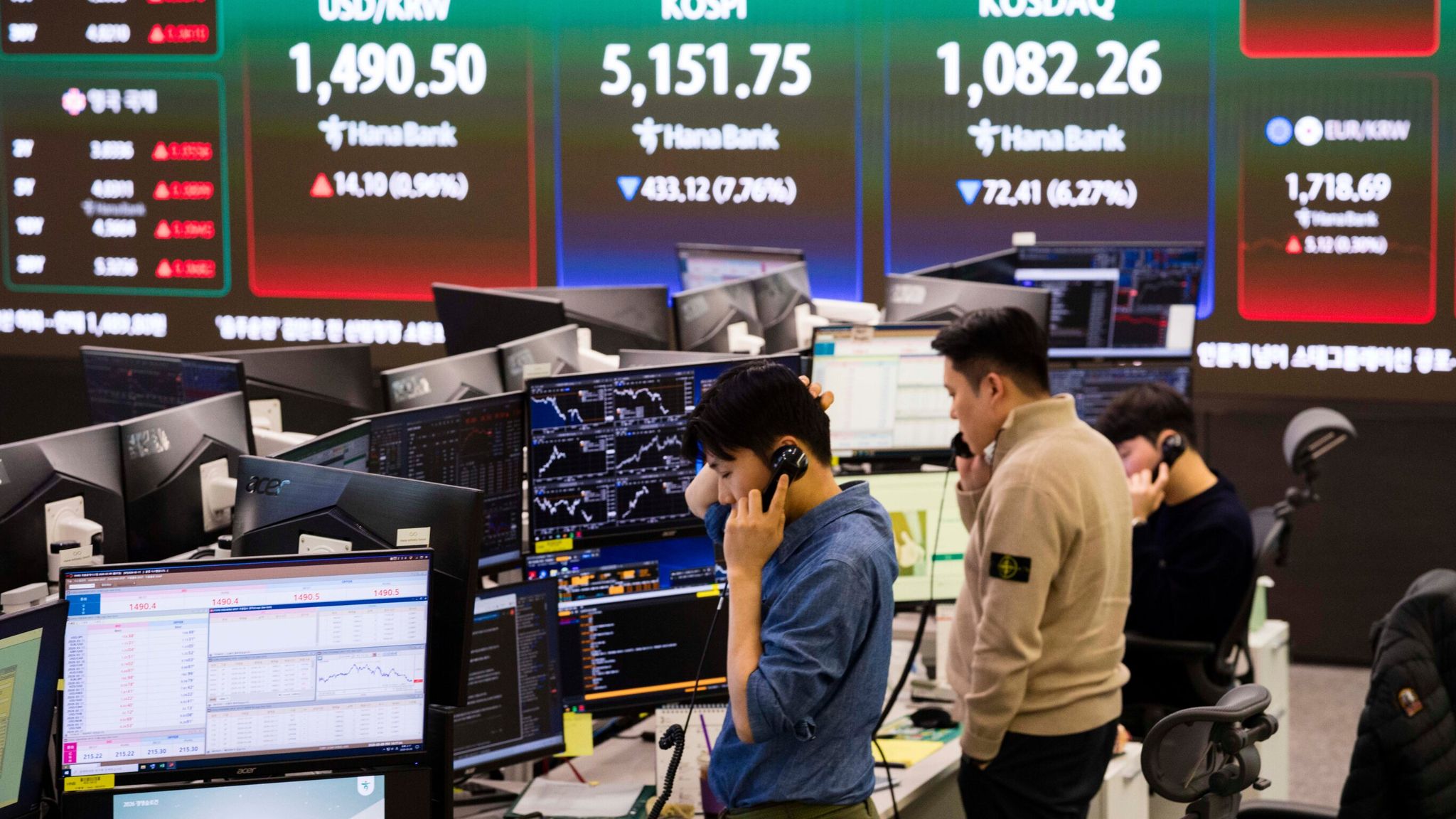
Asian stock markets also registered significant declines, with South Korea’s Kospi plunging over 4.5% and Japan’s Nikkei falling by 2.3%, signaling widespread investor unease about geopolitical risks disrupting regional growth prospects.
The Underlying Threat: Strait of Hormuz Disruptions
The core of the market turmoil lies in fears reminiscent of the 1970s energy crisis, triggered by sustained disruptions in the Strait of Hormuz—a critical maritime corridor through which more than 20% of the world’s oil and liquefied natural gas (LNG) normally passes.
For over a month, the Strait has become perilous and prohibitively expensive for tankers due to repeated attacks by Iran on vessels navigating the route. Insurance premiums for shipping companies have skyrocketed, prompting many to avoid the passage altogether. This has severely restricted supplies from Gulf petrostates, causing storage facilities to fill and forcing some oil and gas producers to scale back output.
Energy production, particularly oil and gas extraction, cannot be easily paused and restarted, meaning any disruption has lasting consequences. Restarting flows through the Strait will require time, prolonging supply constraints and sustaining elevated energy prices globally.

Economic Ripples Felt in the UK and Beyond
The ongoing uncertainty sent the US dollar higher against other major currencies, putting pressure on the British pound, which slipped from $1.33 to $1.32 and declined versus the euro from €1.16 to just over €1.15. This currency movement further inflates the cost of dollar-priced commodities like oil for UK consumers and businesses.
The UK’s FTSE 100, representing the largest companies on the London Stock Exchange, fell 0.6% as stock investors digested the geopolitical and economic risks.
Meanwhile, domestic energy costs remain stubbornly high. Home heating oil prices have stayed above double their pre-conflict levels. The motoring organization RAC reported that petrol and diesel prices surged more in March than any previous single month on record, directly impacting household budgets.
Even if hostilities wind down rapidly, the Food and Drink Federation predicts food inflation in the UK will climb to at least 9% by year-end, driven by rising energy and transportation costs. This outlook highlights the persistent and widespread economic consequences beyond immediate energy markets.
Trump’s Attempts to Stabilize Markets Fall Short
President Trump’s address represents the latest in a series of public efforts to reassure both investors and his political base about the conflict’s trajectory and economic impact. Early in the conflict, he proposed that the US Navy escort vessels through the Strait of Hormuz to secure shipping lanes. However, this plan never materialized.
Subsequently, the Trump administration eased sanctions on Russian oil exports to India, aiming to increase global supply and moderate prices. Despite these measures, oil prices remained elevated, reflecting persistent geopolitical risk premiums.
Trump’s repeated assurances that many military objectives had been achieved and the war would end quickly have failed to calm markets. His suggestion that American forces might seize Kharg Island, a key Iranian oil export hub, similarly failed to move the needle on investor sentiment or commodity prices.
What This Means for Global Markets and Consumers
The ongoing instability in the Middle East, coupled with the fragile economics of energy supply, underscores the vulnerability of global markets to geopolitical shocks. Oil and gas bottlenecks through the Strait of Hormuz are not easily or swiftly resolved, meaning elevated prices and market volatility are likely to persist in the near term.
For consumers, this translates to continued pressure on fuel and energy bills, with knock-on effects on food prices and inflation overall. For investors, the situation demands caution amid uncertain geopolitical developments and fluctuating commodity markets.
As diplomatic and military moves unfold, the global economy remains on edge, awaiting clearer signals on how and when stability might return to a vital region for energy security.