

A tragic aviation accident has claimed the lives of three people, including two British nationals, after a light aircraft crashed in a well-known resort located in the Swiss Alps. This devastating event has sent shockwaves through the local community and raised urgent questions about aviation safety in mountainous tourist destinations.
The Incident: What Happened in the Swiss Alps?
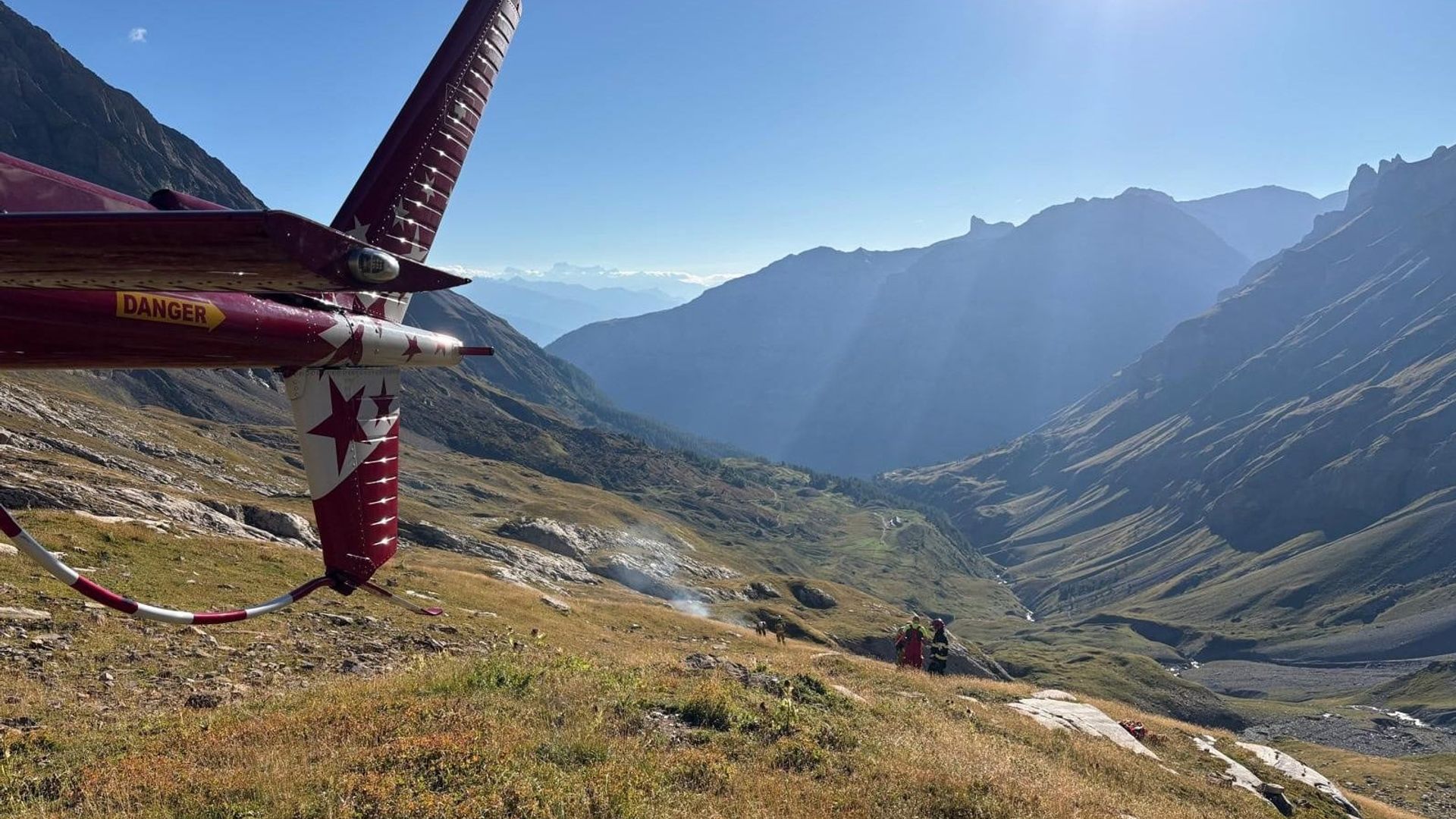
The light aircraft went down in a popular resort area nestled in the Swiss Alps, a region famed for its breathtaking scenery and outdoor activities. The crash resulted in the immediate deaths of all three occupants on board, among whom were two British citizens. Authorities have confirmed that the victims did not survive the impact, and emergency response teams arrived promptly at the scene.
While details about the exact cause of the crash remain under investigation, mountain flying presents unique challenges due to rapidly changing weather, difficult terrain, and air traffic complexities. The Swiss Alps have long been a magnet for tourists seeking adventure and natural beauty, but these same qualities can complicate aviation operations.
Background: The Risks of Light Aircraft in Mountainous Regions
Light aircraft are commonly used for sightseeing tours, private flights, and transportation in mountainous areas where road access can be limited. However, flying in alpine environments demands specialized skills and equipment. Pilots must navigate unpredictable weather patterns, strong winds, and narrow valleys, which increase the risk of accidents.
In recent years, several incidents involving light aircraft crashes in mountainous tourist regions have drawn attention to the critical need for stringent safety protocols. Aviation authorities in Switzerland and other alpine countries continuously update regulations to mitigate such risks, emphasizing pilot training, aircraft maintenance, and real-time weather monitoring.
The presence of international tourists, including the two British victims in this incident, highlights the global nature of mountain tourism and the shared responsibility for ensuring safe travel. Local operators often work closely with international aviation bodies to maintain high safety standards, but accidents can still occur despite these efforts.
Why This Crash Matters: Implications for Alpine Tourism and Aviation Safety
This fatal crash has profound implications beyond the immediate tragedy. The loss of life among international visitors raises concerns about the safety perceptions of the Swiss Alps as a tourist destination. For many travelers, flying is an integral part of reaching remote mountain resorts quickly and conveniently. Incidents like this can impact tourism confidence and prompt calls for enhanced safety measures.
Authorities are expected to conduct a thorough investigation to determine the causes and contributing factors of the crash. Findings will likely influence future regulations and operational guidelines for light aircraft flights in the region. Such measures could include more rigorous pilot certification, better weather forecasting tools, and stricter oversight of flight operations near mountainous terrain.
The families of the victims will undoubtedly seek answers and assurance that lessons are learned to prevent similar tragedies. Meanwhile, the local community and tourism industry face the challenge of balancing the appeal of alpine adventures with the paramount importance of safety.
Looking Ahead: Strengthening Safety in Mountain Aviation
The tragic crash serves as a stark reminder of the inherent risks associated with aviation in challenging environments like the Swiss Alps. As investigations proceed, aviation authorities, tour operators, and pilots must collaborate closely to enhance safety protocols and emergency preparedness.
For travelers, understanding these risks underscores the importance of choosing reputable operators who prioritize safety and adhere to stringent guidelines. It also highlights the value of ongoing investments in technology and training that can mitigate dangers posed by mountain flying conditions.
While the full details and official report on this crash are still pending, the incident will likely catalyze renewed efforts to protect lives and preserve the reputation of the Swiss Alps as a premier destination for safe, unforgettable mountain experiences.