

A French-registered fishing boat sank in the English Channel, leaving two people missing and three others rescued. The incident has prompted urgent search and rescue operations, underscoring the dangers faced by those working at sea in this busy waterway.
The Incident: What Happened in the English Channel?
The fishing vessel, registered in France, went down in the English Channel under circumstances that have yet to be fully disclosed. The Channel, one of the world’s busiest maritime routes, often challenges seafarers with unpredictable weather and strong currents.
Following the sinking, three crew members were successfully rescued and are currently safe. However, two others remain unaccounted for and are presumed missing. Rescue teams from both French and British authorities have joined forces to conduct an extensive search in the area.
Search and Rescue Efforts Underway
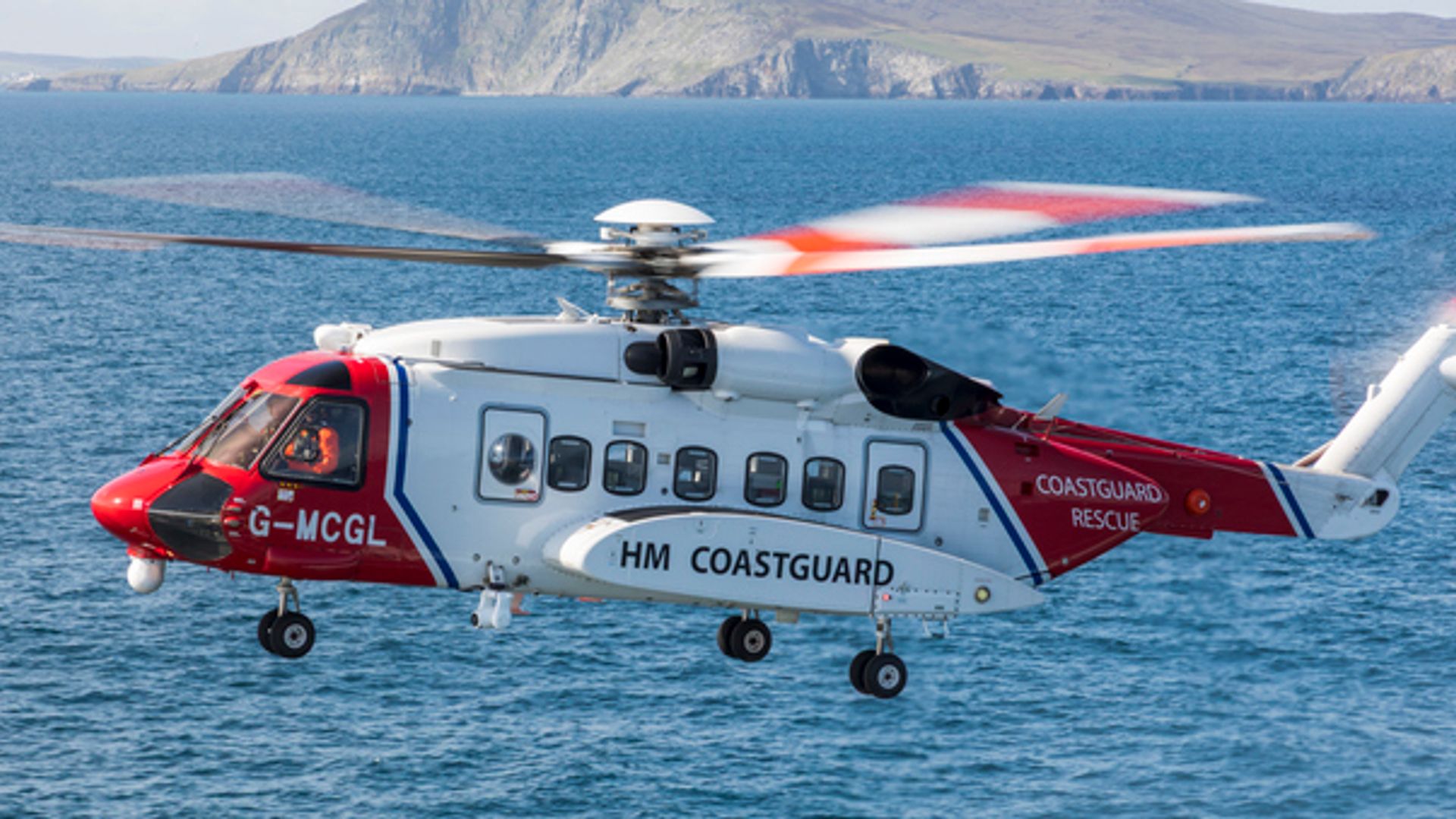
Emergency response teams have mobilized quickly to locate the missing fishermen. Search and rescue operations involve vessels and aircraft scanning the waters, equipped with thermal imaging and sonar technology to detect survivors or debris.
Both French maritime authorities and the UK Coastguard are coordinating their resources to maximize the coverage area in the search. The English Channel’s heavy traffic and challenging sea conditions complicate rescue efforts, making rapid response crucial to saving lives.
Such incidents highlight the inherent risks of commercial fishing in international waters, where swift changes in weather and sea state can turn a routine voyage into a life-threatening situation.
Why This Incident Matters
The sinking of this fishing vessel is a stark reminder of the perils faced by fishermen who work in one of the world’s most trafficked and sometimes treacherous maritime corridors. The English Channel serves as a vital passage connecting the Atlantic Ocean to the North Sea, with thousands of vessels traversing it daily.
Fishermen operating in these waters must navigate not only natural hazards but also heavy commercial traffic, increasing the risk of accidents. The loss of life and vessels has economic and social repercussions, affecting fishing communities and raising questions about maritime safety standards.
Authorities continually work to improve safety protocols and emergency response capabilities to protect those at sea. This event may prompt renewed discussions on enhancing safety measures, crew training, and vessel maintenance to prevent similar tragedies.
Looking Ahead: What to Expect Next
Search operations will continue until the missing individuals are found or officially declared lost. Investigations into the cause of the sinking will follow, aiming to uncover the factors that led to the vessel’s distress. Such inquiries can inform future safety regulations and help prevent similar incidents.
For the families and communities affected, the uncertainty and loss are profound. Support services and counseling are often made available to help them cope during these difficult times.
As maritime authorities and rescue teams persist in their efforts, this incident serves as a sober reminder of the unpredictable nature of the sea and the bravery of those who make their living upon it.
Takeaway: The sinking of the French fishing boat in the English Channel highlights the ongoing challenges of maritime safety in high-traffic waters. It underscores the importance of coordinated rescue efforts and the need for continuous improvements in protecting the lives of seafarers.