Major UK banks experienced a notable decline in their share prices following reports that the Chancellor plans to introduce higher taxes on lenders in the forthcoming government budget. This development has stirred concern among investors and industry experts alike, signaling potential shifts in the financial sector’s landscape.
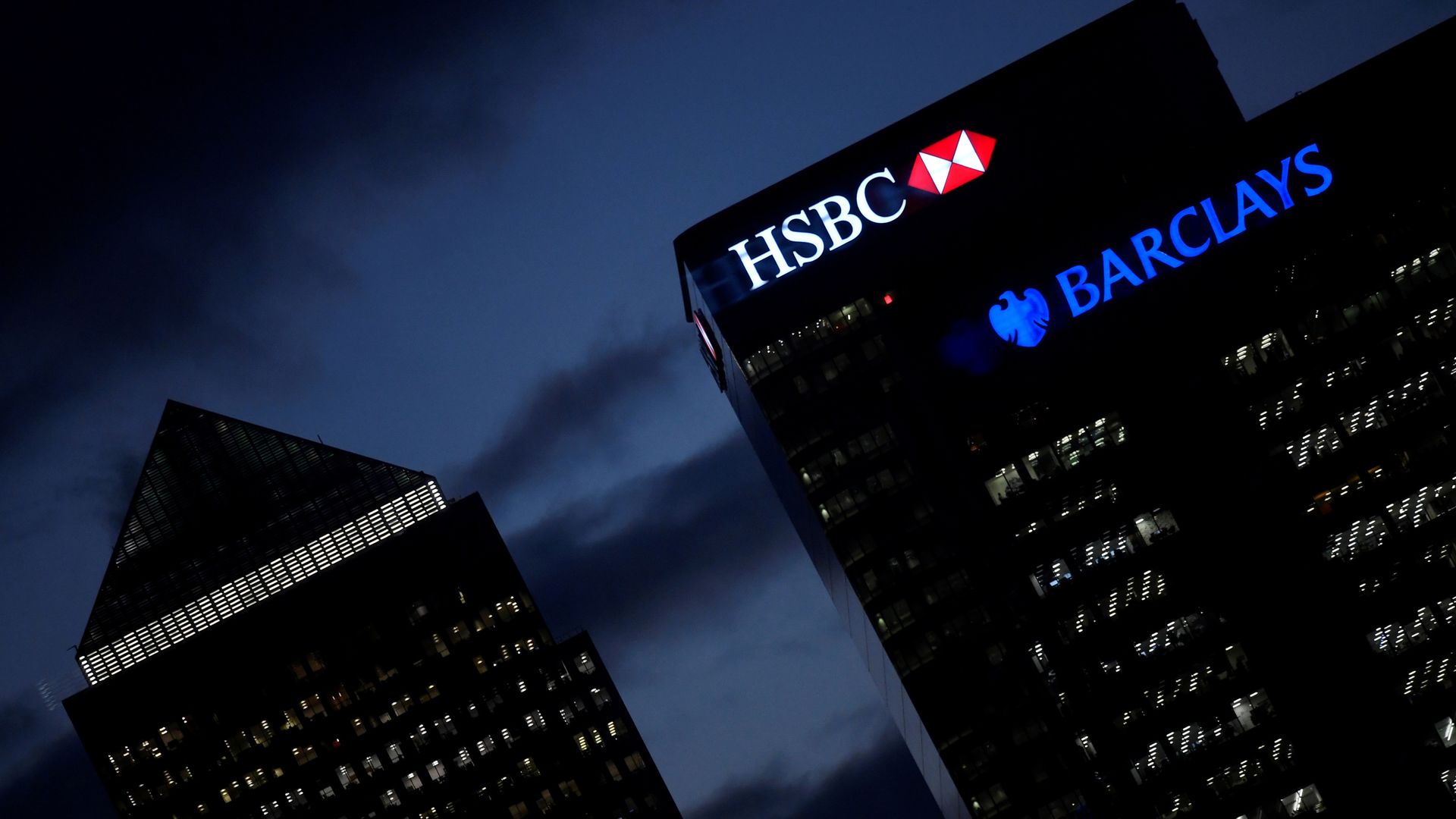
What’s Driving the Decline in Bank Shares?
Financial institutions such as Barclays, Lloyds Banking Group, NatWest, and HSBC have all seen their stock values dip as market participants react to the prospect of increased taxation. The anticipated tax hike targets the banking sector, which has already been under scrutiny for its profitability and role in the broader economy.
The expected measure aims to raise additional revenue by imposing a higher tax rate specifically on lenders, potentially affecting their net profits. This move comes amid broader government efforts to balance fiscal responsibilities and address public concerns about economic inequality and corporate contributions.
Investors are wary that the increased tax burden could limit banks’ ability to lend, invest, and generate shareholder returns. This uncertainty has translated into a sell-off in bank stocks, reflecting apprehension about future profitability and growth prospects.
The Context Behind the Chancellor’s Decision
The UK government faces significant fiscal challenges, including managing public debt and funding essential services. Within this context, the Chancellor’s plan to target the banking sector for higher taxes can be seen as part of a strategic approach to bolster revenues without placing undue strain on households.
Historically, banks have contributed a significant share of corporate tax revenues, but recent years have seen fluctuations in profitability due to regulatory changes, economic cycles, and global financial conditions. The proposed tax increase could be viewed as a corrective measure to ensure banks pay their fair share during periods of economic recovery.
Moreover, the move aligns with a growing trend among policymakers to hold financial institutions more accountable, especially following the economic disruptions caused by the COVID-19 pandemic. By adjusting tax rates on banks, the government may seek to promote a more equitable fiscal framework.
Implications for the Banking Sector and Economy
If the tax hike proceeds as expected, UK banks may face several operational and strategic challenges. Increased tax obligations could reduce profitability, prompting banks to reconsider dividend payouts, investment in technology, or expansion plans.
There is also concern that higher taxes on lenders could dampen the availability of credit to consumers and businesses. Lending is a critical engine for economic growth, and any constraint could have ripple effects across the broader economy, particularly impacting small and medium-sized enterprises that rely heavily on bank financing.
On the other hand, the government’s initiative to increase bank taxes may help fund vital public services and infrastructure projects, potentially stimulating economic activity in other areas. The balance between maintaining a healthy banking sector and ensuring adequate government revenues will be a delicate one.
What This Means Going Forward
The anticipated tax increase on UK banks underscores the evolving relationship between the financial sector and government fiscal policy. Shareholders and market watchers will closely monitor the budget announcement for confirmation of the exact measures and their scope.
For banks, adapting to a higher tax environment will require strategic recalibration to maintain profitability and competitive positioning. For the government, successfully implementing such a tax without stifling economic growth will be critical to achieving broader fiscal goals.
Ultimately, this development highlights the ongoing tension between generating government revenue and fostering a dynamic, resilient banking sector. Stakeholders across the financial and public spheres will be watching closely as this policy unfolds in the weeks ahead.