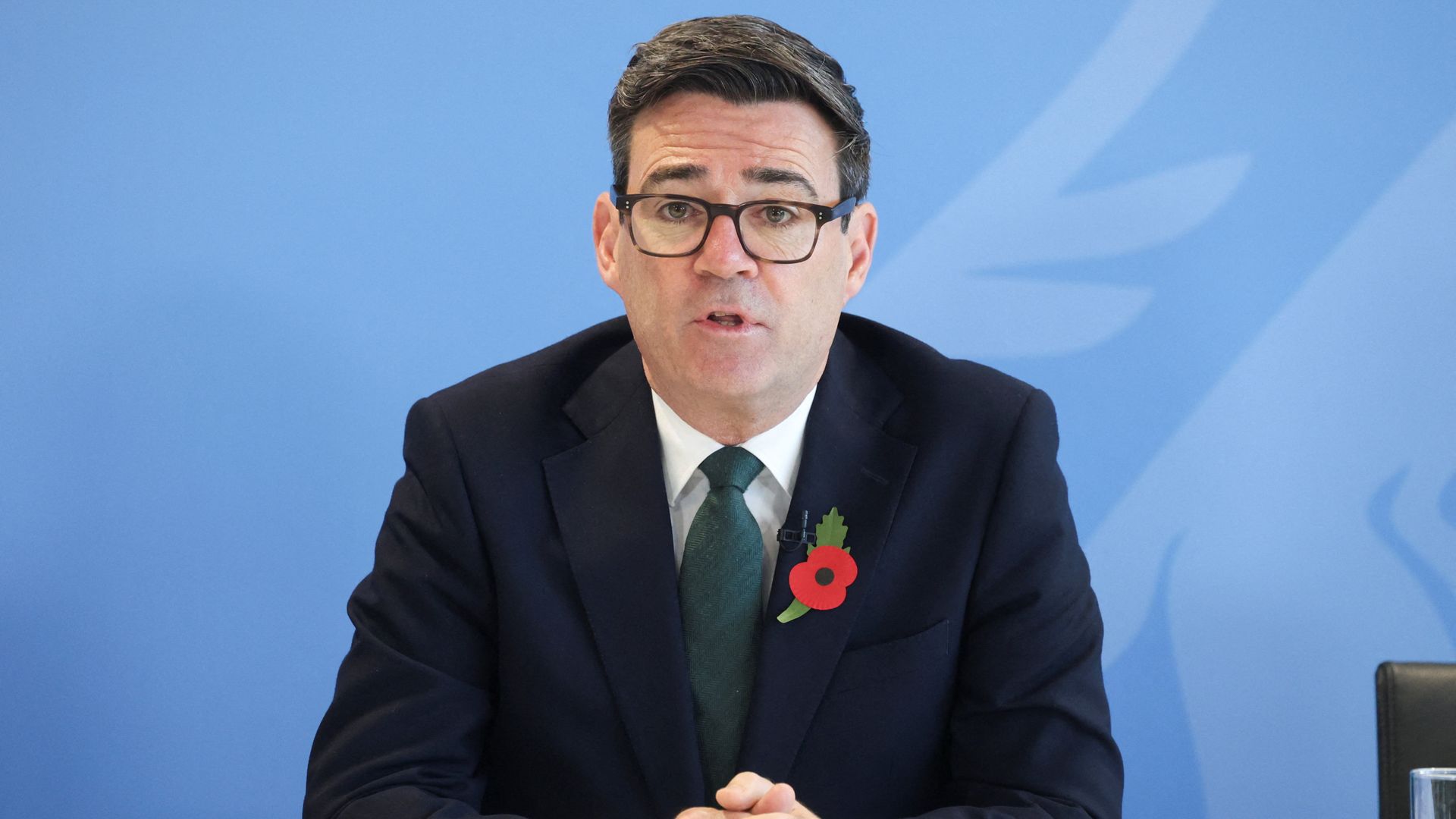
Britain’s leading banks have issued a stark warning to the government about the risks of raising taxes on the financial sector as John Healey prepares to unveil his first Budget this October. The industry’s top executives emphasize that any additional tax burdens could undermine economic recovery and financial stability.
Financial Sector’s Warning: Why Tax Hikes Could Backfire
The banking sector plays a pivotal role in the UK economy, supporting businesses and consumers alike through lending, investment, and essential financial services. As Chancellor John Healey steps into his new role, these institutions are urging caution against imposing higher taxes on banks, arguing that such moves could dampen investment, reduce lending capacity, and ultimately slow economic growth.
Bank leaders highlight that the sector has already faced significant regulatory and fiscal pressures in recent years. Increased capital requirements, compliance costs, and previous tax changes have collectively strained profitability. Introducing further tax hikes now could risk pushing banks to limit lending or hike fees, which would have a direct impact on businesses, homeowners, and consumers across the country.
Moreover, the UK banking industry is navigating a complex post-Brexit landscape and global economic uncertainties. Executives argue that a stable and competitive tax environment is crucial to retain London’s status as a premier financial hub and to attract international investment.
John Healey’s Budget: Balancing Fiscal Responsibility and Growth
John Healey, who took office recently, faces a delicate balancing act. On one hand, the government needs to address ongoing fiscal challenges, including rising public spending and debt. On the other, it must foster a climate conducive to economic growth and job creation. The Chancellor’s upcoming Budget is expected to set the tone for the government’s economic strategy in the coming years.
While details remain under wraps, the banking sector’s message is clear: any tax increases on financial institutions should be approached with caution and a full understanding of the potential repercussions for the wider economy. The banks stress that they remain committed to supporting economic recovery, but excessive taxation could hinder their ability to do so effectively.
Industry representatives also point out that banks contribute significantly to the UK exchequer through existing taxes and fees. They argue that targeting the sector with further levies may not be the most effective way to raise government revenue without broader economic consequences.
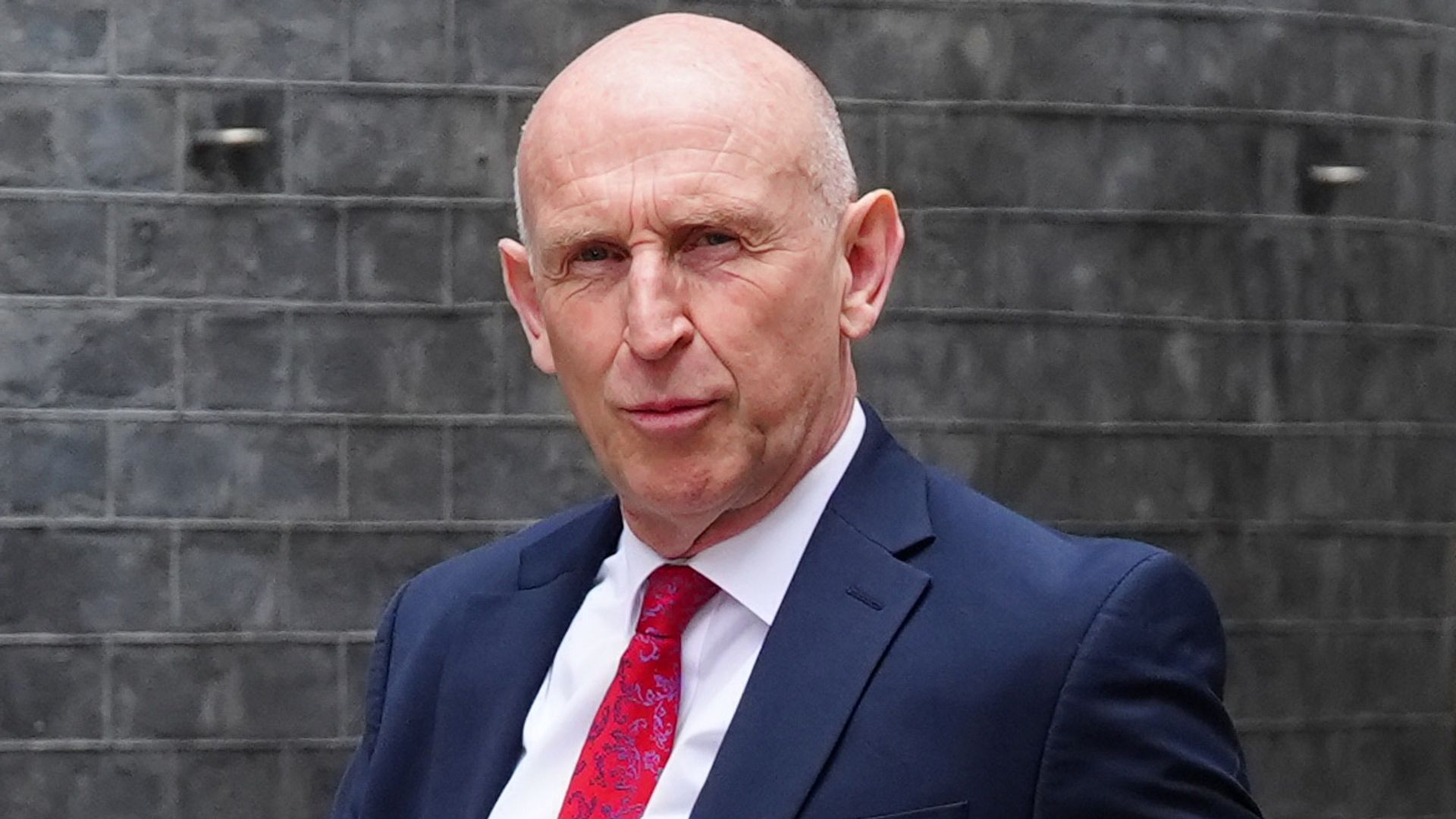
What This Means for the UK Economy and Consumers
The warnings from Britain’s biggest banks underscore a broader debate about how best to fund public services and manage economic challenges without stifling growth. The financial sector’s health is intertwined with the wellbeing of the wider economy, affecting everything from mortgage rates to business financing.
If the government decides to increase taxes on banks, consumers and businesses could face indirect consequences such as higher borrowing costs or reduced credit availability. Conversely, maintaining a competitive tax regime could help sustain investment and innovation within the sector, supporting economic resilience.
As Chancellor Healey prepares to deliver his Budget, the coming weeks will be critical in shaping the future relationship between the government and the financial industry. Stakeholders across the economy will be watching closely to see how fiscal policy navigates the complex interplay of revenue generation and economic growth.
In summary, the banking sector’s message to the new Chancellor is clear: avoid aggressive tax hikes on banks to protect economic stability and growth prospects. The upcoming Budget will reveal how the government intends to balance these competing priorities in the months ahead.