

The United Kingdom is set to experience its most volatile and rapidly shifting weather conditions since June, as a significant drop in temperatures follows an extended period of hot and dry weather. This dramatic shift signals a break from the recent summer pattern and introduces a week of unsettled and changeable weather across the country.
What to Expect: Sudden Swings in Weather Patterns
After weeks dominated by sunshine, high temperatures, and dry spells, the UK will encounter a stark contrast as cooler air masses move in. Meteorologists warn that this will be the most turbulent week weather-wise since early summer, with rapid fluctuations between sunshine, showers, and cooler temperatures.
The transition will not be gradual. Instead, residents should prepare for abrupt changes throughout the day, with some areas experiencing brief spells of rain or gusty winds before sunshine returns. This kind of variability can make planning outdoor activities challenging and may impact sectors sensitive to weather, such as agriculture and tourism.
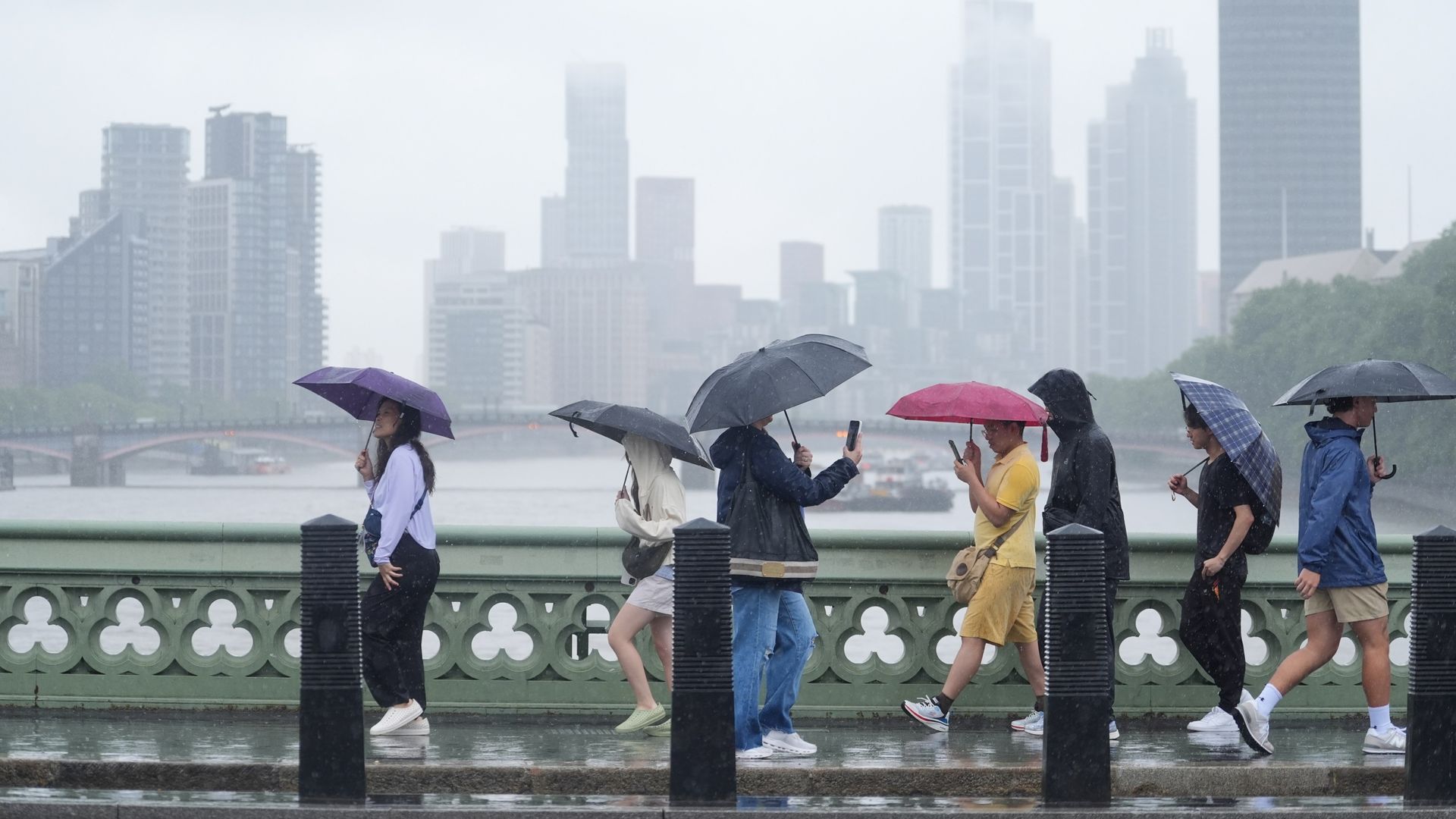
Why This Matters: The Impact of Changeable Weather on Daily Life
This unpredictable weather pattern highlights the volatility of the UK’s climate during transitional seasons like late summer moving into autumn. The sudden temperature drops can catch people off guard, increasing the risk of colds and respiratory issues as the body adjusts to cooler conditions.
Moreover, the shift from prolonged dry weather to intermittent rainfall is significant for water resources and agriculture. Farmers who have contended with drought-like conditions may welcome the rain, but the inconsistency could also disrupt crop harvesting and outdoor work schedules.
Urban areas might face challenges too, with fluctuating temperatures affecting energy demand. Cooler days lead to increased heating needs, while sudden sunny intervals might reduce them, complicating energy consumption patterns.
Looking Ahead: What This Means for the UK Weather Trend
Experts suggest that this week’s volatility could set the tone for the approaching autumn season, where unpredictable weather becomes more common. The UK’s geographic location makes it susceptible to such swings, especially during seasonal transitions, as the jet stream and Atlantic weather systems influence conditions.
For residents and businesses, staying updated with forecasts will be crucial to navigate the week effectively. Layered clothing, flexible plans, and preparedness for sudden showers will help mitigate the inconvenience caused by this most changeable week.
While the end of the hot, dry spell might bring relief to some, the unpredictability serves as a reminder of the challenges posed by shifting weather patterns. As the UK moves away from summer, embracing flexibility and awareness will be essential to adapt smoothly to these climatic fluctuations.
In summary, after weeks of stable warmth, the UK is entering its most changeable weather period since June, marked by a sharp temperature drop and variable conditions. This shift underscores the dynamic nature of British weather and the importance of readiness as the seasons evolve.