

The UK automotive industry is facing a significant shakeup as an influx of competitively priced Chinese cars floods the market, forcing established manufacturers to slash prices aggressively. This wave of affordable imports is reshaping consumer choices and challenging traditional automakers to adapt swiftly.
How Chinese Cars Are Disrupting the UK Market
The head of the UK’s automotive industry lobby group has candidly acknowledged the pressure on domestic and established foreign car brands. With Chinese manufacturers entering the UK market offering vehicles at substantially lower prices, traditional players are compelled to engage in “a lot of discounting” to remain competitive.
Chinese carmakers have strategically targeted the UK’s growing demand for electric and hybrid vehicles, leveraging cost-effective production methods and government-backed incentives at home to price their models attractively. This approach appeals to budget-conscious buyers and those seeking modern, eco-friendly options without the premium cost typically associated with Western brands.
The surge in Chinese car imports is not just a pricing issue; it represents a shift in consumer perception. Historically, Chinese vehicles were viewed skeptically due to concerns over quality and reliability. However, recent advancements in technology, safety features, and design have significantly improved their reputation, making them increasingly viable contenders in the UK market.
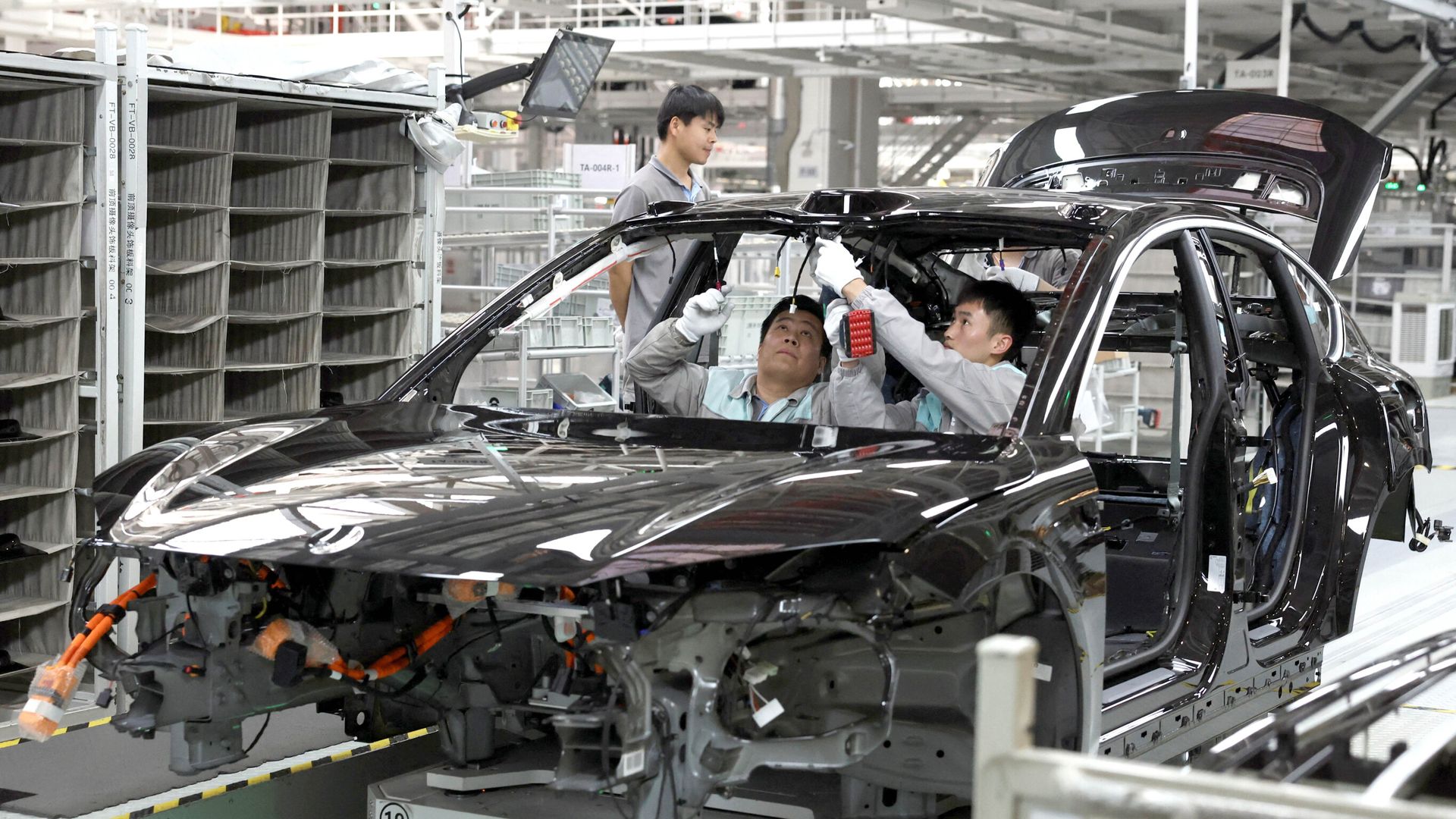
Impact on Established Manufacturers and the Broader Industry
Long-established car companies, many with decades of heritage in the UK, now face the dual challenge of maintaining market share and profitability. The necessity to offer steep discounts cuts into their margins, raising concerns about long-term sustainability and investment in innovation.
This discounting trend is particularly pronounced among manufacturers heavily invested in traditional combustion engines, as Chinese brands aggressively promote electric vehicles (EVs) and plug-in hybrids. The UK government’s push towards net-zero emissions by 2030 further intensifies competition, as consumers increasingly prioritize greener options.
Industry analysts warn that this dynamic could accelerate consolidation within the sector, with smaller or less adaptable manufacturers potentially struggling to survive. At the same time, the pressure to innovate and improve efficiency is likely to intensify, benefiting consumers through better technology and more affordable EVs.
What This Means for UK Consumers and the Future of the Automotive Market
For UK car buyers, the influx of Chinese vehicles translates into broader choices and more competitive pricing, especially in the fast-growing electric vehicle segment. Lower price points may help accelerate the UK’s transition to greener transportation by making EV ownership accessible to a wider demographic.
However, this shift also raises critical questions about the domestic automotive industry’s future. Jobs, manufacturing facilities, and supply chains in the UK may face disruption if local companies cannot match the pricing and innovation pace set by Chinese competitors.
Policymakers and industry leaders will need to balance fostering competitive markets with supporting homegrown manufacturers to ensure sustainable growth. This includes investing in advanced manufacturing technologies, research and development, and potentially revisiting trade policies to create a level playing field.
Ultimately, the arrival of affordable Chinese cars in the UK market is a wake-up call. It underscores the rapid globalization of the automotive industry and the urgent need for established companies to evolve. For consumers, it promises more affordable, cutting-edge vehicles. For the industry, it signals a period of profound transformation.