A landmark decision by a UK court has overturned the law in Trinidad and Tobago that criminalizes consensual sexual relations between men. This ruling challenges a long-standing colonial-era statute that has been used to marginalize and persecute the LGBTQ+ community in the Caribbean nation.
The Background: Colonial-Era Law and Its Impact
Trinidad and Tobago’s law against consensual sex between men dates back to British colonial rule. Often referred to as “buggery laws” or “sodomy laws,” these statutes criminalize private, consensual acts, effectively punishing homosexual relationships. Despite changing social attitudes globally, this law remained firmly embedded in Trinidad and Tobago’s legal framework, fostering discrimination and fear among LGBTQ+ individuals.
The enforcement of this law has led to arrests, prosecutions, and social stigmatization. Human rights organizations have long condemned it, arguing that it violates fundamental rights to privacy, equality, and freedom from discrimination. The law also contributed to a hostile environment, deterring many from living openly and accessing necessary health and social services.
The UK Court’s Decision: What Happened?
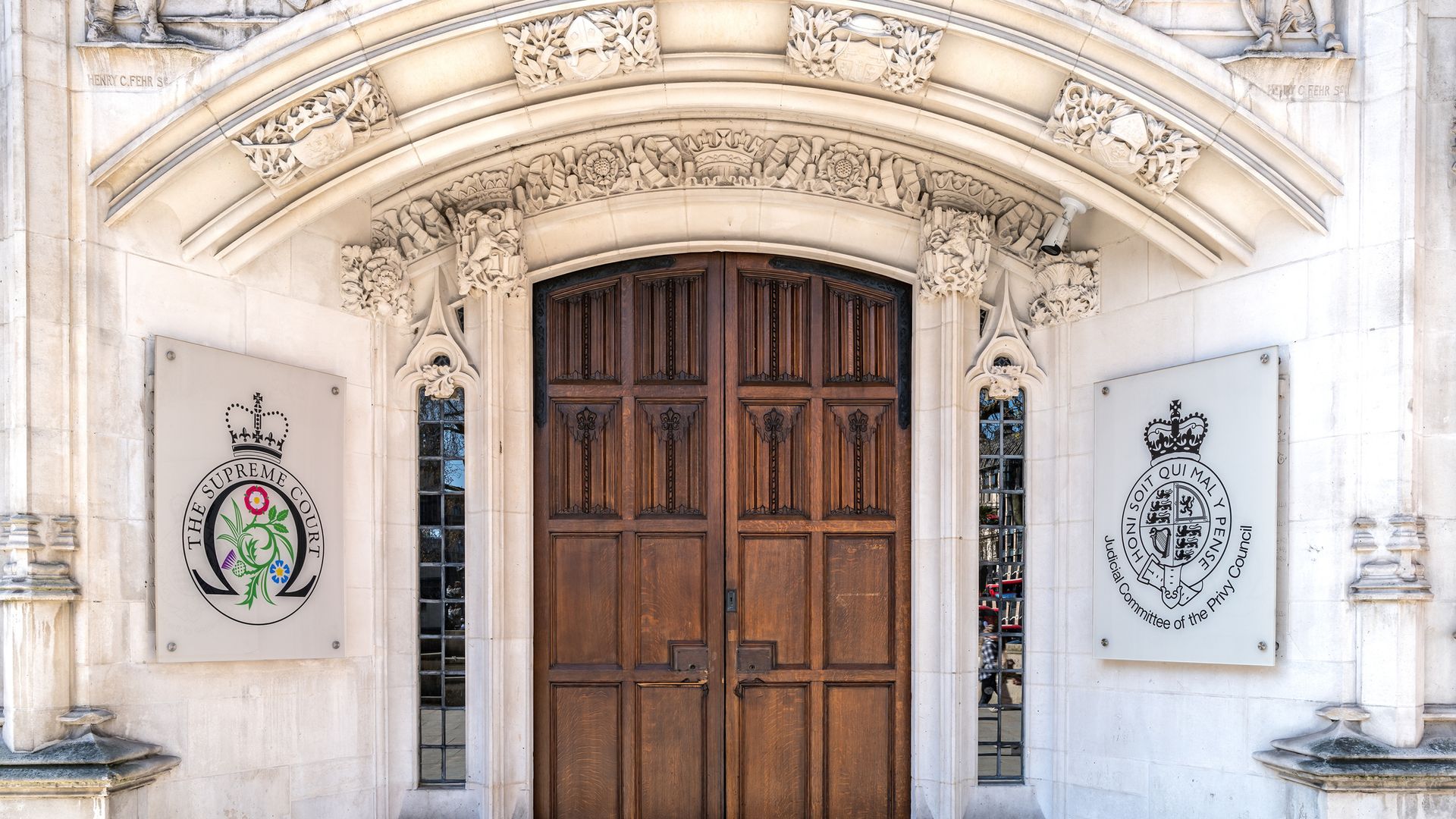
The recent ruling emanates from a UK-based judicial review, which scrutinized the legality and human rights implications of Trinidad and Tobago’s anti-gay law. The court concluded that criminalizing consensual same-sex relations between adults infringes on basic human rights protected under international law.
This decision did not arise in isolation but rather reflects a broader trend of legal challenges against colonial-era laws in former British territories. The court emphasized that such laws are incompatible with contemporary human rights standards, particularly those enshrined in the European Convention on Human Rights and other global treaties.
The court’s judgment effectively invalidates the law in Trinidad and Tobago, compelling the government to reconcile its legislation with principles of equality and non-discrimination. This ruling marks a critical victory for activists and citizens advocating for LGBTQ+ rights and could pave the way for further legal reforms in the region.
Why This Matters: Regional and Global Implications
This legal breakthrough holds profound significance not only for Trinidad and Tobago but for the entire Caribbean region. Many countries in the Caribbean continue to enforce similar anti-LGBTQ+ laws, often rooted in colonial legacies. The UK court’s decision sets a persuasive precedent that other courts and governments might follow to dismantle discriminatory statutes.
For the LGBTQ+ community in Trinidad and Tobago, this ruling offers hope for greater acceptance and protection under the law. It challenges entrenched social prejudices and signals a move towards inclusivity and respect for personal freedoms. Moreover, it aligns the nation more closely with international human rights norms, enhancing its global standing.
International human rights advocates have hailed the decision as a crucial step toward ending legal persecution based on sexual orientation. It underscores the role of judicial systems in upholding rights, even against longstanding societal biases and political resistance.
What Comes Next: The Path Forward
While the court’s decision is historic, the journey toward full equality and social acceptance in Trinidad and Tobago remains ongoing. The government must now amend its laws to conform with the ruling, which will require political will and public education to shift societal attitudes.
Activists and civil society organizations are expected to leverage this victory to push for comprehensive anti-discrimination protections and increased awareness campaigns. Legal reforms may also inspire other Caribbean nations to re-examine their own laws, fostering a regional wave of change.
Ultimately, this ruling exemplifies how judicial intervention can catalyze progress in human rights, breaking down barriers that have long oppressed marginalized communities. It highlights the importance of persistence and international solidarity in challenging laws that undermine dignity and equality.
Takeaway: The UK court’s decision to overturn Trinidad and Tobago’s law criminalizing consensual male same-sex relations marks a transformative moment for LGBTQ+ rights in the Caribbean. It dismantles a discriminatory colonial legacy, affirms fundamental human rights, and sets a powerful example for legal and social reform across the region. As Trinidad and Tobago moves forward, this ruling lays the groundwork for a more just and inclusive society.