

The United Kingdom has significantly softened its stance on Russian oil sanctions by allowing imports of diesel and jet fuel derived from Russian crude oil, provided the refining occurs outside Russia. This adjustment marks a notable shift in the UK’s approach to energy-related sanctions amid ongoing geopolitical tensions.
What Changed in the UK’s Sanctions Policy?
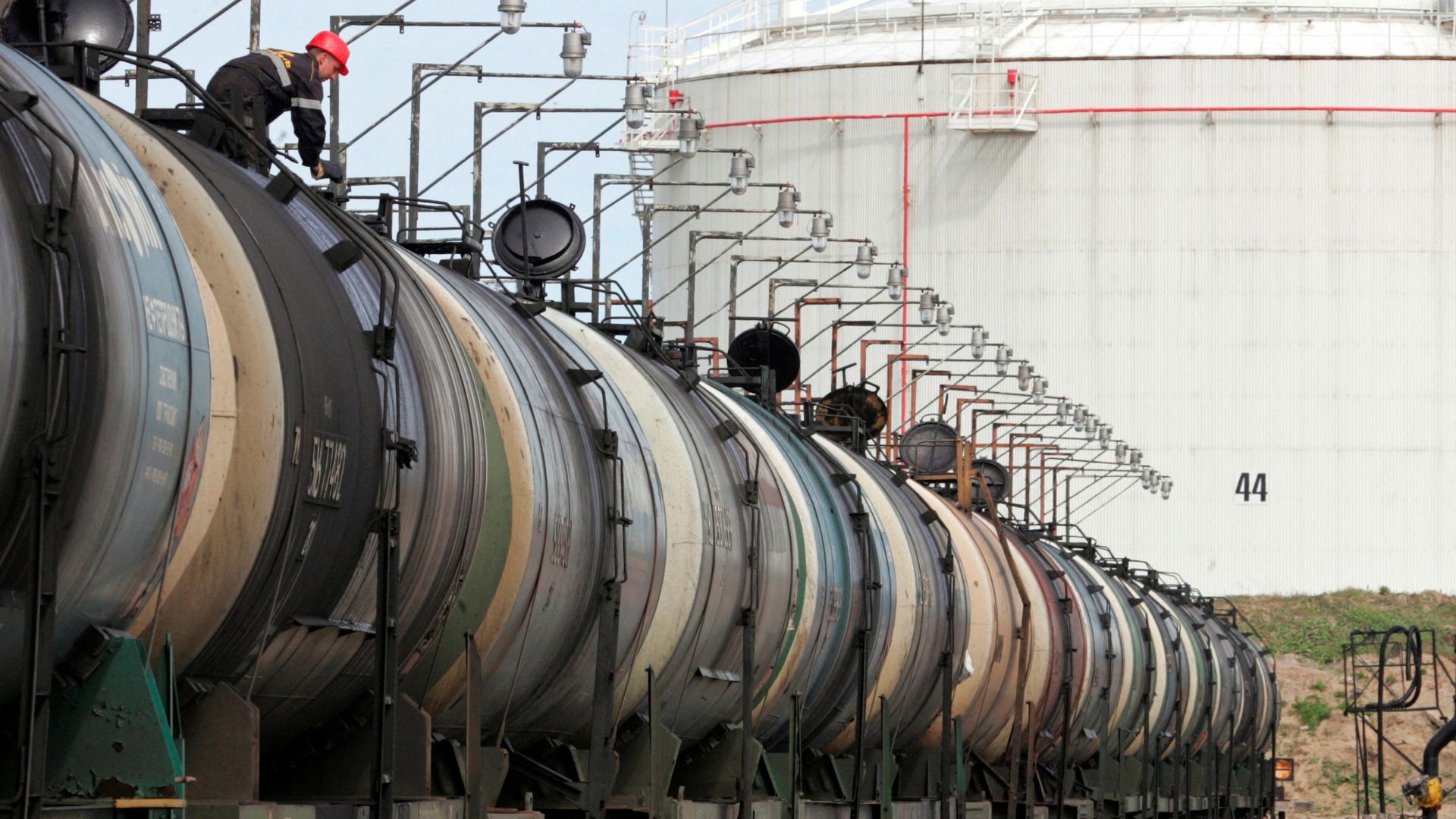
Initially, the UK imposed strict sanctions aimed at curbing Russian oil exports to weaken Russia’s economic capabilities. These sanctions were designed to block direct shipments of crude oil and refined petroleum products like diesel and jet fuel. However, the newly amended policy now permits the import of refined fuels originating from Russian crude oil if the refining process happens in third countries rather than Russia itself.
This policy adjustment effectively creates a loophole that allows continued access to certain Russian energy products through international refining networks. While crude oil imported directly from Russia remains restricted, diesel and jet fuel processed abroad can enter the UK market.
The government’s decision reflects the complex realities of global energy supply chains, where crude oil often moves across multiple countries and facilities before reaching end consumers. By permitting refined fuel imports processed elsewhere, the UK maintains some pressure on Russia while addressing domestic energy needs.
Why the UK Relaxed Its Sanctions
The decision to ease sanctions comes amid concerns about energy security and market stability. Diesel and jet fuel are critical for transportation, industry, and aviation sectors in the UK. Abrupt disruptions in supply could lead to fuel shortages, price spikes, and broader economic consequences.
Moreover, global energy markets have been volatile due to the ongoing conflict involving Russia and Ukraine, as well as related sanctions imposed by Western nations. Many countries have struggled to replace Russian oil quickly, given Russia’s significant share in global energy exports.
By allowing imports of refined products from third-party refiners, the UK aims to strike a balance between maintaining pressure on Russia and safeguarding its own fuel supplies. This pragmatic approach acknowledges the interconnected nature of energy markets and the challenges in fully isolating Russian oil without unintended consequences.
Implications and What Comes Next
This modification in UK policy signals a nuanced approach to sanctions enforcement, emphasizing flexibility in the face of complex supply chain realities. It also highlights the difficulties countries face when trying to reduce dependency on Russian energy while ensuring their domestic economies remain stable.
Energy analysts suggest that such sanction adjustments could influence other nations’ policies, especially those heavily reliant on refined petroleum products. The UK’s move may prompt discussions on how best to balance geopolitical objectives with practical energy demands.
At the same time, this policy shift could undermine some of the intended economic pressure on Russia by allowing revenue streams from refined fuel exports through indirect routes. Russia’s crude oil continues to fuel global markets, albeit with additional layers of complexity in tracing its origin.
Stakeholders in the UK energy sector will closely monitor the impact of this change on fuel availability and pricing. Meanwhile, policymakers must remain vigilant to ensure that sanction measures remain effective without compromising national energy security.
Why This Matters
The UK’s decision to soften sanctions on Russian oil products underscores the intricate balance between geopolitical strategy and economic necessity. Sanctions are a critical tool to influence state behavior, but they must be carefully calibrated to avoid unintended harm to the sanctioning country’s own interests.
As the conflict involving Russia persists, the global energy landscape will continue to evolve. The UK’s policy adjustment reflects the broader challenges facing countries trying to navigate sanctions, energy dependency, and market stability simultaneously.
Ultimately, this development serves as a reminder that effective sanctions require ongoing assessment and adaptation to address shifting realities on the ground. The UK’s approach is a case study in how nations manage complex international pressures while securing essential resources for their people.