

The long-awaited relief from an intense and prolonged dry spell is finally arriving across parts of the UK, but it comes with a new challenge: the risk of flooding. After enduring five consecutive heatwaves that have parched green spaces, ignited dangerous wildfires, and forced millions under hosepipe bans, the Met Office forecasts significant rainfall poised to impact drought-hit areas.
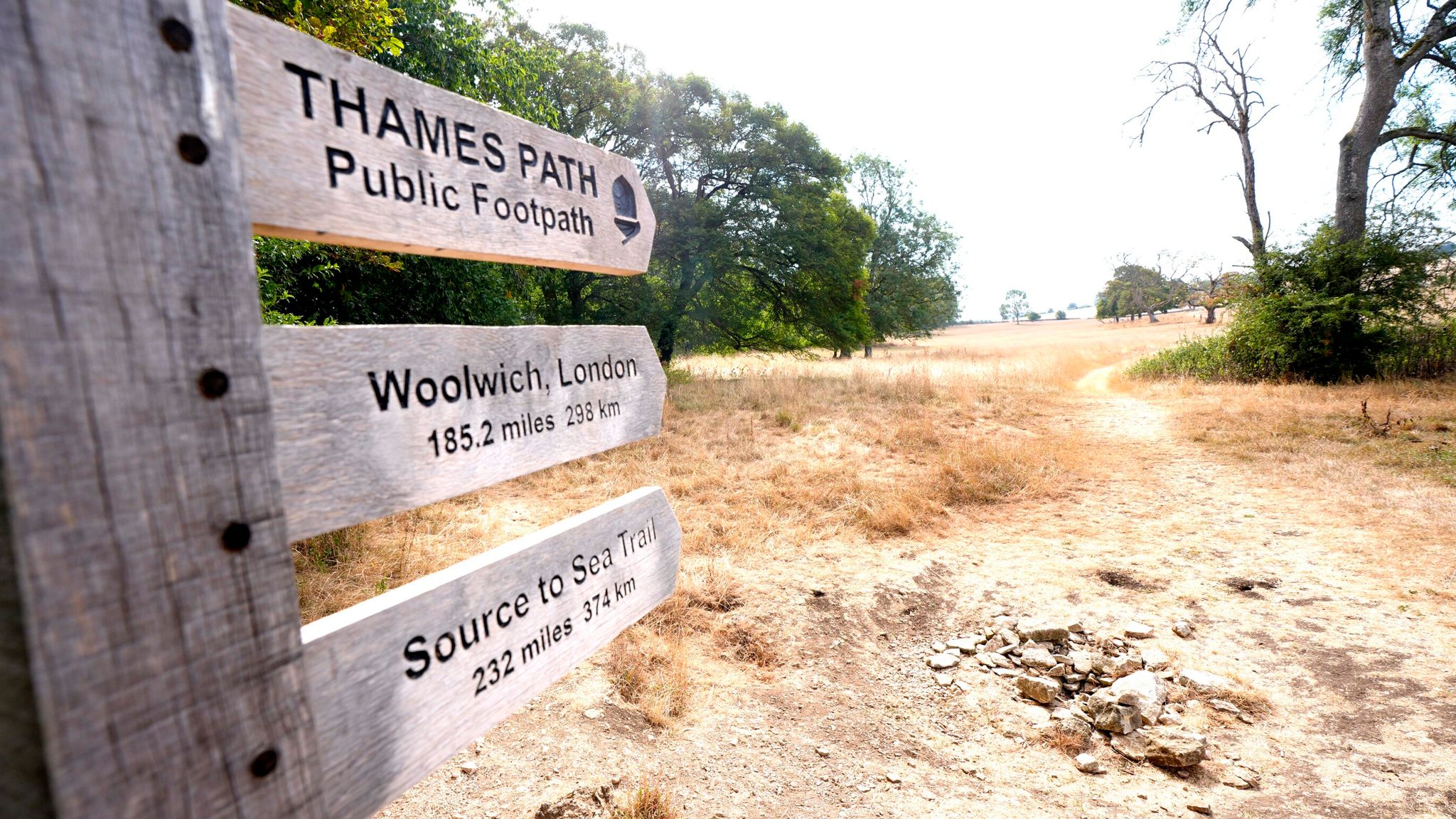
What Is Happening: Rain Brings Both Relief and Flood Threats
The Met Office confirmed that cooler, wetter weather will sweep across the country in the coming days. Showers began to appear in northern regions on Tuesday, with rain expected to spread over the Midlands and southern England by evening and overnight. This pattern will intensify toward the end of the week, with Thursday predicted to see heavy showers covering much of the UK.
Mike Silverstone, the Met Office’s deputy chief forecaster, warned that while many areas will experience heavy rain, others may remain dry. “Some of these showers could be intense,” he said, “which raises the risk of surface water flooding because the ground is extremely dry and hard after weeks without rain.”
Sun-baked soil struggles to absorb sudden downpours, often causing water to run off surfaces rather than soak in. This phenomenon increases the likelihood of localized flooding, especially on roads and in urban areas.
Although this rain marks the first “meaningful” precipitation in a long time, it won’t fully replenish the country’s depleted water reserves. For instance, Wisley in Surrey has recorded an astonishing 61 consecutive dry days, while Heathrow Airport has logged 55 dry days in a row, according to Met Office statistics.
Current Drought Status and Water Restrictions
According to the Environment Agency and Natural Resources Wales, nearly all regions south of Yorkshire and the Greater Manchester area remain classified as drought zones. These areas have been battling unusually low rainfall for months, severely impacting reservoirs, rivers, and groundwater levels.
In response, new water-use restrictions are tightening. On Tuesday, Wessex Water implemented a hosepipe ban affecting 1.4 million customers across Bath, Somerset, Dorset, and Wiltshire. This marks the first such ban in the region since the historic drought of 1976.
Altogether, more than 27 million people in England now face hosepipe bans. These restrictions typically prohibit the use of hosepipes but allow alternative watering methods such as buckets and watering cans.
Thames Water, the country’s largest water supplier, stressed the importance of continued conservation. Despite the recent bans, rainfall in Thames Water’s service area during July was less than 1mm—just 2% of the long-term average—while water usage surged by around 100 million litres daily compared to usual levels.
Martin Padley, Thames Water’s water director, highlighted some positive trends since the ban began on July 23, noting a 3% reduction in consumption across London and more than 6% in the Thames Valley and Home Counties.
“Reservoir levels remain below what we expect for this time of year, and demand is still high,” Padley said. “We urge customers to keep conserving water by taking shorter showers, turning off taps when not in use, and avoiding non-essential outdoor water use. Every small change helps ease pressure on our network, while our teams continue working tirelessly to detect and repair leaks.”
Why This Matters: Balancing Drought Relief and Flood Risks
The UK’s current situation underscores the complex relationship between drought and flooding. While the arrival of meaningful rain offers much-needed respite for drought-stricken landscapes, the sudden deluge over dry, compacted ground can trigger flash floods and surface water accumulation. This dual threat demands careful monitoring and public awareness, especially in vulnerable regions.
Water restrictions remain crucial to managing limited supplies as recovery from this record-breaking dry period will be slow. Authorities continue to work to maintain the delicate balance between replenishing water resources and preventing flood damage.
Residents in affected areas should stay informed of weather updates and heed any flood warnings or water-use restrictions. The evolving weather patterns demonstrate the increasing unpredictability of climate impacts, highlighting the importance of sustainable water management and preparedness.
Looking Ahead
As the UK navigates this transition from drought to potential flooding, the coming weeks will be critical. The ongoing rainfall will provide essential moisture to parched soils and ecosystems but requires vigilance to mitigate flooding hazards.
Water companies and government agencies are urging continued conservation efforts to safeguard reserves and reduce strain on infrastructure. In parallel, emergency services and local authorities remain on alert to respond to any flood incidents.
This period serves as a stark reminder of the challenges posed by extreme weather patterns and the need for adaptive strategies in water management to protect communities and the environment.