

In a pioneering medical breakthrough, an 11-year-old girl in the United Kingdom has become the first patient to undergo a revolutionary gene therapy designed to combat a rare, inherited condition that causes blindness. This landmark treatment offers new hope for individuals affected by genetic eye diseases that previously had no effective cures.
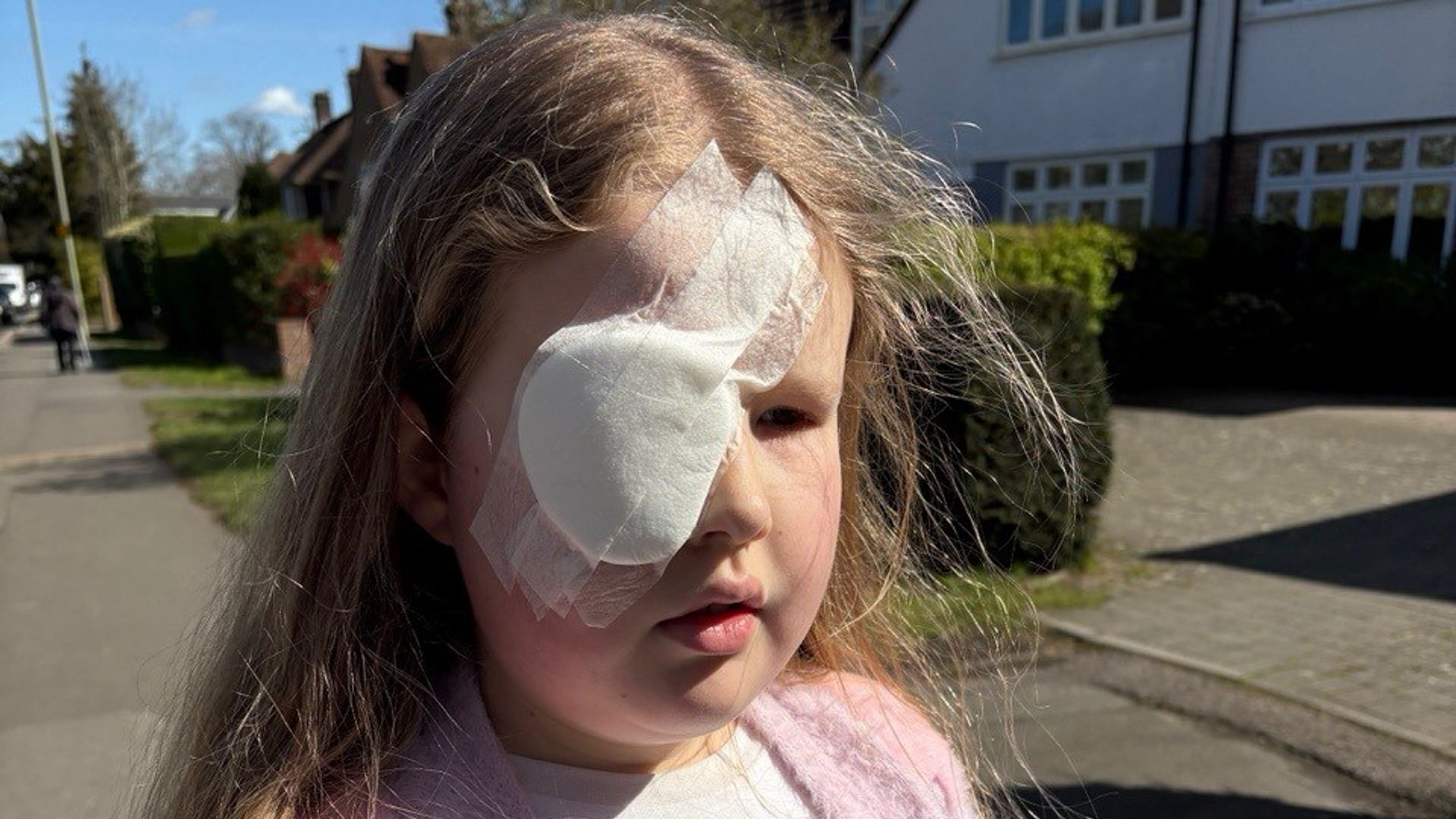
What Happened: The First UK Gene Therapy for Vision Loss
The young patient received an advanced gene therapy targeting a rare genetic disorder responsible for progressive vision loss. This condition, which can lead to complete blindness if left untreated, affects the retina’s ability to process light. The innovative treatment involves delivering a healthy copy of the faulty gene directly into the patient’s eye, aiming to restore or preserve retinal function.
This procedure marks a significant milestone in the UK’s medical landscape, as it represents the first time this specific gene therapy has been administered domestically. Prior to this, patients often had to travel abroad to access such cutting-edge interventions. The successful application of this therapy within the UK healthcare system underscores the country’s growing capabilities in personalized medicine and advanced genetic treatments.
Why It Matters: A New Era for Rare Eye Disorders
Inherited retinal diseases are a leading cause of blindness, particularly among children and young adults. Traditional treatment options have been limited to managing symptoms or slowing progression, with no guaranteed way to restore lost vision. The advent of gene therapy offers a transformational approach by addressing the root genetic cause of these diseases.
For families affected by such conditions, this treatment represents more than just a medical procedure—it offers the possibility of maintaining independence, improving quality of life, and reducing the emotional and financial burdens associated with vision loss. By pioneering this therapy, the UK sets a precedent that could accelerate the development and accessibility of similar treatments for other rare genetic disorders.
What Comes Next: Expanding Access and Ongoing Research
Following this successful first case, healthcare providers and researchers aim to expand access to gene therapy for more patients suffering from hereditary vision conditions. Clinical teams will be closely monitoring the girl’s progress to assess the therapy’s long-term efficacy and safety.
Moreover, this breakthrough fuels ongoing research into gene-based treatments for a broad range of genetic diseases. As gene editing and delivery technologies improve, they hold the promise to revolutionize not only ophthalmology but many other fields of medicine.
Integrating such advanced therapies into routine clinical practice will require continued investment, training, and public awareness. The NHS and associated research bodies are likely to play key roles in facilitating this transition, ensuring that more patients can benefit from these life-changing innovations.
Looking Ahead: Hope on the Horizon for Genetic Blindness
The successful treatment of this 11-year-old girl marks a hopeful turning point for patients with rare, inherited eye disorders in the UK. It demonstrates the tangible progress made in gene therapy and highlights the potential to transform the lives of countless individuals facing vision loss.
As gene therapy becomes more accessible and refined, it promises not only to halt the progression of blindness but also to restore sight where it was once thought impossible. This breakthrough is a testament to the power of scientific innovation and compassionate healthcare working hand in hand to rewrite the future of genetic disease treatment.