

Palestine Action, a UK-based activist group known for its direct protests against companies linked to Israel’s military infrastructure, has been officially labeled a transnational terrorist organization by the United States government. This unprecedented move intensifies international scrutiny over the group’s tactics and raises significant questions about the boundaries of activism and terrorism.
Who Is Palestine Action and What Led to This Designation?
Founded in 2020, Palestine Action has gained attention through high-profile demonstrations aimed at companies they accuse of supplying weapons or technology to the Israeli military. Their campaigns often include rooftop protests, occupation of corporate offices, and disruption of business operations. The group’s stated goal is to pressure these companies to cease their involvement with Israel’s occupation of Palestinian territories.
One notable incident involved activists scaling the roof of Guardtech Group in Brandon, Suffolk, a British firm alleged to supply surveillance and security equipment to Israeli forces. The protest, which drew significant media coverage, underscored the group’s willingness to engage in civil disobedience and direct action to make their point.
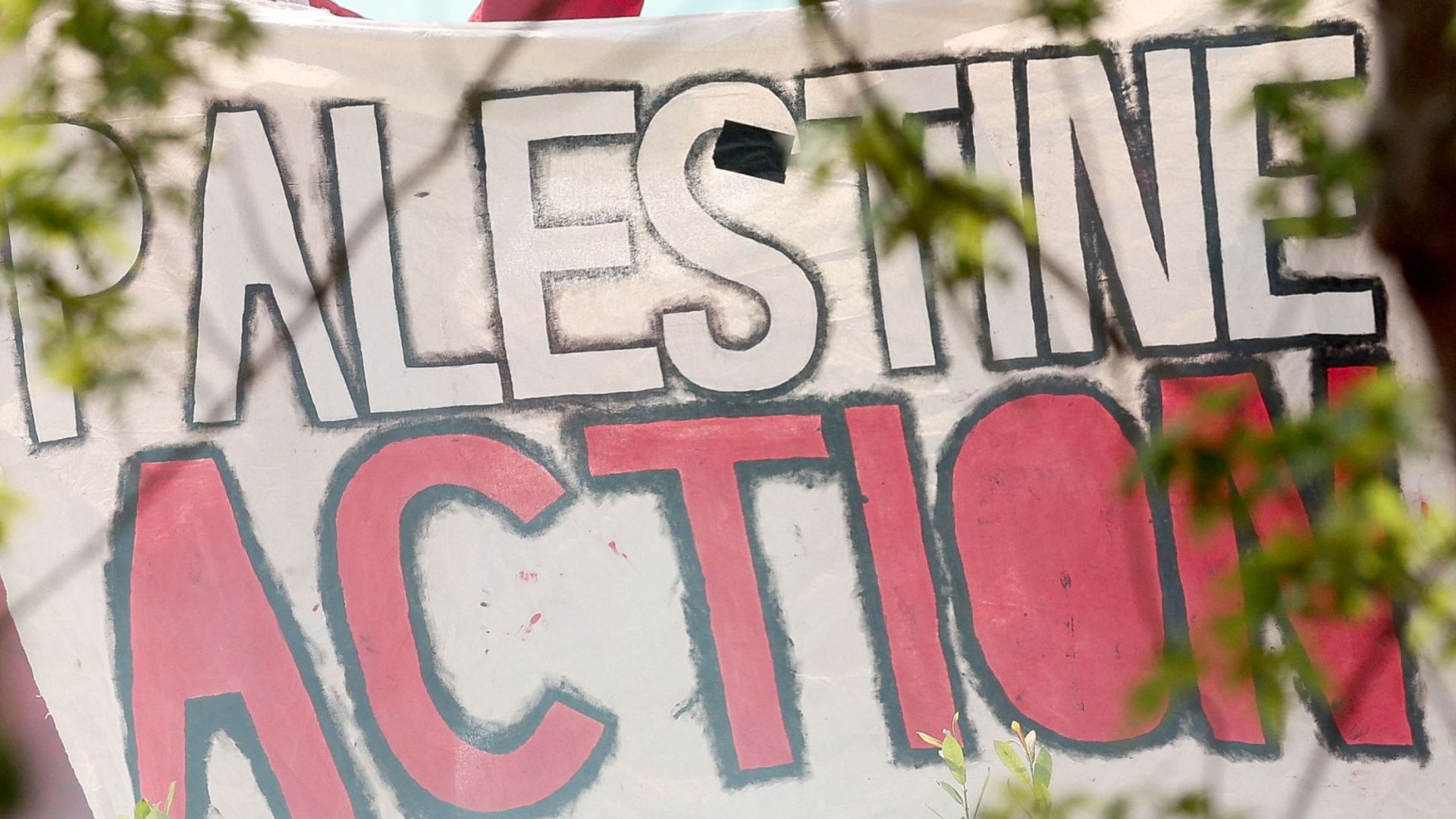
The US government’s designation of Palestine Action as a transnational terrorist organization marks a significant escalation. The decision reflects concerns about the group’s methods and the broader geopolitical context surrounding the Israeli-Palestinian conflict. While the UK has not classified Palestine Action as a terrorist group, the US action could influence international cooperation on monitoring and restricting the group’s activities.
Implications of the US Terrorist Designation
Being labeled a terrorist organization by the US has profound legal and operational consequences. It enables American authorities to freeze assets, restrict financial transactions, and prosecute individuals associated with Palestine Action under counterterrorism laws. It also complicates international fundraising and communications for the group, effectively isolating them on the global stage.
This designation may also serve as a warning to similar activist groups worldwide, signaling that certain forms of protest—especially those perceived to challenge US allies or security interests—could face severe repercussions. The move reflects the US government’s broader commitment to combating what it deems threats to its geopolitical allies.
Critics argue that this move conflates peaceful protest and civil disobedience with terrorism, potentially stifling legitimate activism. Supporters of Palestine Action contend their actions are non-violent resistance aimed at ending human rights abuses. This clash highlights the complex intersection of activism, law enforcement, and international diplomacy.
What This Means for Activism and the Israeli-Palestinian Conflict
The US designation of Palestine Action underscores the heightened tensions surrounding activism related to the Israeli-Palestinian conflict. It raises questions about the limits of protest, especially when it targets private companies connected to military operations. As governments increasingly scrutinize activist groups, the line between security and freedom of expression becomes more contested.
For Palestine Action, the designation could mean a significant reduction in their ability to operate freely, especially if other countries follow the US lead. It may also influence public perception, potentially framing their actions as extremist rather than principled dissent.
In the broader context, this development may affect how other pro-Palestinian groups strategize their campaigns. It highlights the risks associated with direct action tactics in politically charged environments and could push some activists toward more conventional forms of protest or advocacy.
Looking Ahead
The US decision to label Palestine Action a transnational terrorist group represents a pivotal moment in the ongoing struggle between activism and national security concerns. It illustrates the complexities faced by governments trying to balance counterterrorism efforts with protecting civil liberties.
As this designation reverberates through the activist community and international policymakers, it will be critical to monitor how it shapes future protests and the global discourse on the Israeli-Palestinian conflict. The ultimate impact remains to be seen, but it clearly sets a new precedent for how activist groups can be treated under international law.
Full details about the long-term consequences of this designation have yet to emerge.