

The United Kingdom has taken a decisive step toward transforming its high-speed rail landscape by approving a fresh competitor to the Eurostar service. This landmark decision sets the stage for increased competition on the London to continental Europe routes, promising travelers more options, potentially lower fares, and improved service quality.
A Major Shift in Cross-Channel Rail Travel
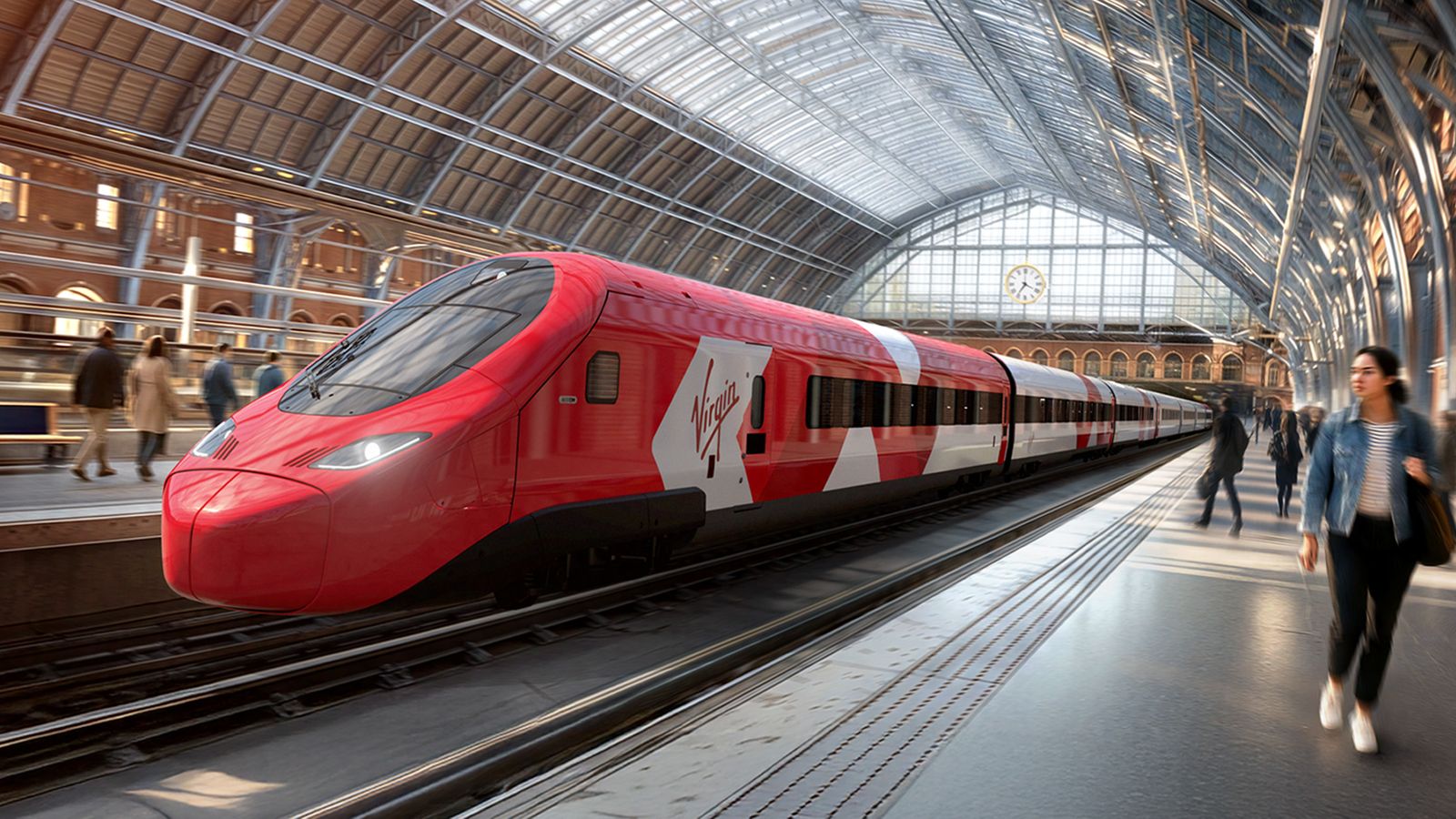
For decades, the Eurostar has dominated the high-speed rail connection between London and key European cities such as Paris and Brussels. Now, a new player entering the market marks a significant change in this space. The government’s recent approval authorizes this rival operator to launch services that will directly challenge Eurostar’s monopoly, offering an alternative for passengers traveling through the Channel Tunnel.
This move comes amid growing demand for sustainable and efficient travel options across Europe. Rail travel has gained prominence as a greener alternative to short-haul flights, aligning with broader environmental goals. The new service aims to capitalize on this trend by providing a fast, comfortable, and competitive option for travelers.
What the New Service Means for Passengers and the Rail Industry
The introduction of a Eurostar competitor brings several immediate and long-term implications. First and foremost, passengers can expect more frequent departures, diversified routes, and potentially lower ticket prices due to increased competition. This could make rail travel more accessible and attractive, encouraging a modal shift away from air travel.
From an industry perspective, the presence of a rival operator is likely to spur innovation and service improvements. Eurostar will face pressure to enhance customer experience, reliability, and amenities to maintain its market share. Meanwhile, the new entrant will invest in modern rolling stock and cutting-edge technology to carve out a niche in this competitive arena.
Infrastructure and Operational Challenges
Launching a new high-speed rail service through the Channel Tunnel involves overcoming substantial logistical hurdles. Coordinating schedules, securing track access rights, and meeting stringent safety regulations require collaborative efforts between the new operator, the UK government, and European rail authorities.
Moreover, the infrastructure at key stations such as London St Pancras International must accommodate increased traffic while maintaining efficiency. Investments in station facilities and passenger processing will be critical to ensure a seamless travel experience.
Why This Development Matters
The approval of a Eurostar rival is more than just a business milestone; it reflects a broader commitment to enhancing international rail connectivity and sustainability. By diversifying options for cross-Channel travel, the UK strengthens its position as a hub in the European rail network.
Enhanced competition may also accelerate the adoption of new technologies, such as digital ticketing and real-time travel updates, benefiting passengers across the board. This initiative aligns with the UK’s transportation strategy, which emphasizes reducing carbon emissions and promoting greener modes of transport.
The Road Ahead
As this new high-speed rail service prepares to enter operation, stakeholders will closely monitor its impact on travel patterns and market dynamics. Passengers stand to gain from improved choices and better services, while the rail industry must adapt to a more competitive environment.
Ultimately, this development signals a promising future for international rail travel, where innovation and sustainability take center stage. The coming months will reveal how effectively the new operator can challenge the status quo and transform the experience of traveling between the UK and Europe.