The price of orange juice in the UK has skyrocketed from around $2 to $7, a staggering increase that only recently became apparent to consumers. This surge didn’t happen overnight, but rather crept in slowly, hidden within broader food inflation trends until 2023.


The Global Orange Supply Chain: A Tight Grip on Production
Philip Coverdale, an industry expert at consultancy firm GlobalData, highlights that the orange juice price hike is not an isolated case but part of wider grocery inflation. The root cause lies deep within the global orange supply chain, which is heavily dominated by a few key producers.
Brazil stands as the undisputed leader in orange production, controlling a majority of the global supply for orange juice concentrate. This dominance is even more pronounced than the Saudi control over crude oil markets. Brazilian production is largely controlled by massive, industrialized conglomerates, limiting competition and keeping prices high.

Other countries like Morocco, Egypt, and South Africa do produce oranges, but their output remains relatively small and cannot match Brazil’s scale. Spain, known for its Valencia and Seville oranges, primarily exports fresh fruit rather than concentrate, which is what the juice industry mainly requires. Moreover, Spain’s production has suffered recently from adverse weather events, including significant floods in Valencia last October, further constraining supply.


Challenges in Alternative Sources and Domestic Production
Attempts to diversify orange juice supply beyond South America have faced considerable hurdles. Florida, traditionally a major orange supplier to the global market, has experienced its lowest output in nearly a century. A combination of severe hurricanes and the persistent citrus greening disease—a devastating bacterial infection lethal to orange trees—has crippled production in the Sunshine State.

Florida’s citrus greening problem has been a long-term issue, dramatically reducing yields and impacting fruit quality. The reduced supply from Florida, combined with Brazil’s market control and Spain’s production shortfalls, has created a perfect storm for rising orange juice prices.


What This Means for UK Consumers and Grocery Prices
In a truly competitive market, such drastic price increases would typically correct over time as supply and demand rebalance. However, the orange juice market remains tightly controlled and highly concentrated, so prices are unlikely to retreat soon. This situation exemplifies a broader trend affecting many everyday grocery items in the UK, where supply chain limitations and market power imbalances keep prices elevated.

For UK consumers, this means that rising costs for staples like orange juice are not merely a short-term blip but part of a structural shift in global food supply chains. Weather-related disruptions, crop diseases, and market monopolies in critical agricultural sectors are creating persistent price pressures.

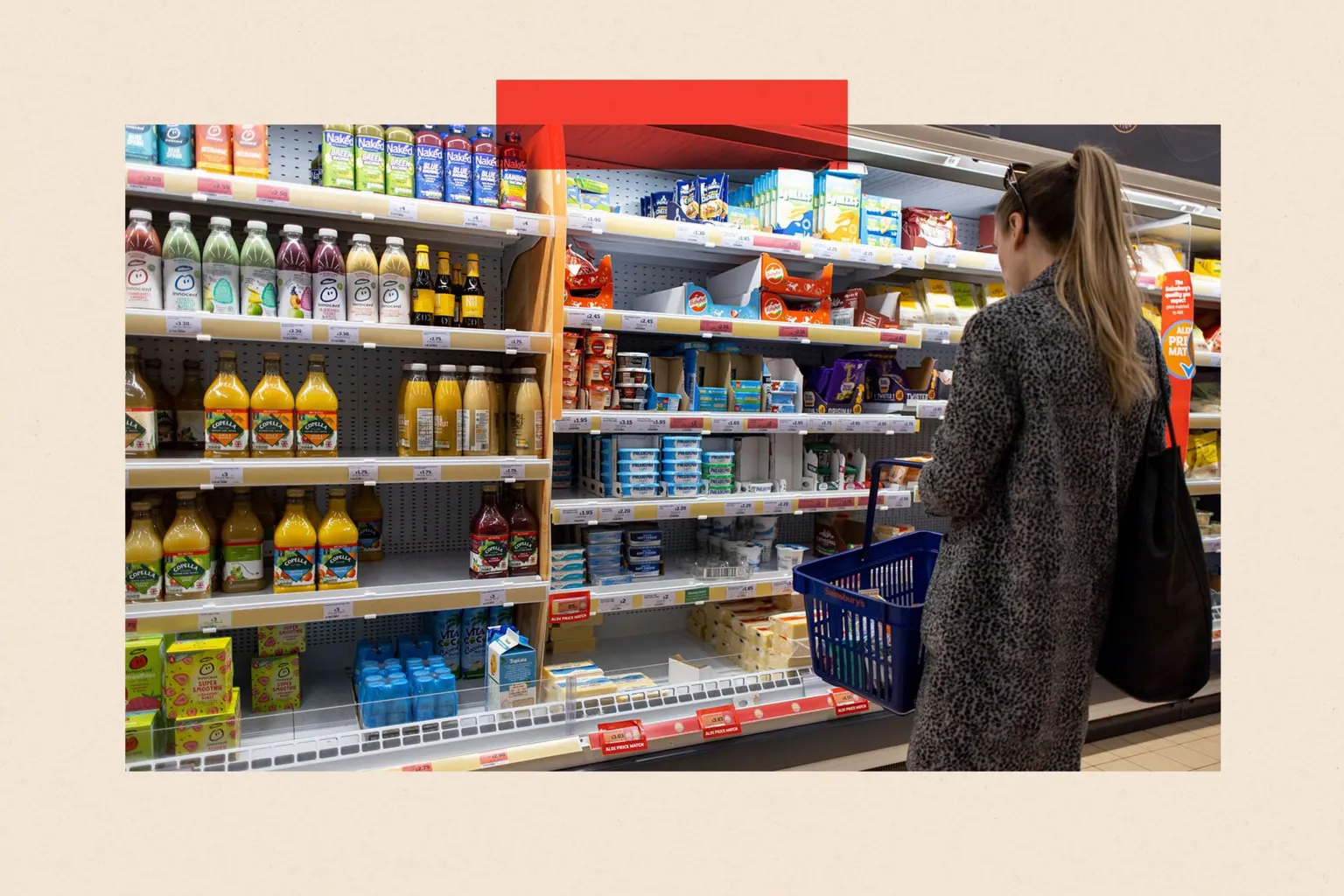
Retailers have passed these increased costs onto consumers, and data shows significant price hikes across popular orange juice products over recent years. For example, own-label ambient smooth orange juice prices have nearly doubled, rising by 134% between 2020 and 2025. Fresh orange juice variants and branded products like Tropicana and Innocent have also seen substantial increases, underscoring the widespread impact on shoppers’ wallets.

These price changes raise pressing questions about the future resilience of the UK’s food supply amid global challenges. As climate change intensifies weather extremes and diseases like citrus greening spread, reliance on limited production regions exposes consumers to ongoing price shocks.
Looking Ahead: Adapting to a New Food Price Reality
The orange juice price surge serves as a case study in how global agricultural markets influence everyday consumer costs. With Brazil’s dominance unlikely to wane and alternative sources struggling to scale, UK shoppers must brace for continued volatility in orange juice prices.
More broadly, this situation reveals the vulnerabilities in the UK’s food supply chain. Policymakers, retailers, and consumers will need to consider strategies to mitigate these risks, such as diversifying sources, supporting sustainable agriculture, and improving supply chain transparency.
Understanding the complex factors behind supermarket price changes helps consumers make informed choices and prepares them for a future where food prices may remain elevated due to forces largely outside their control.