The excitement building toward the 2026 FIFA World Cup is accompanied by a sharp rise in ticket fraud, with fans warned to remain vigilant amid soaring prices and increased scam attempts. Recent research reveals that victims of football ticket scams lose an average of £215, and the threat is intensifying as demand for tickets reaches unprecedented heights.
Escalating Ticket Fraud Threatens Football Fans
According to analysis from Lloyds Bank, football ticket scams have surged by 36% during the current Premier League season, covering October 2025 through March 2026, compared to the previous year. Fraudsters tend to target matches featuring top clubs such as Arsenal, Liverpool, Chelsea, and Manchester United, exploiting high fan interest and the competitive ticket market.
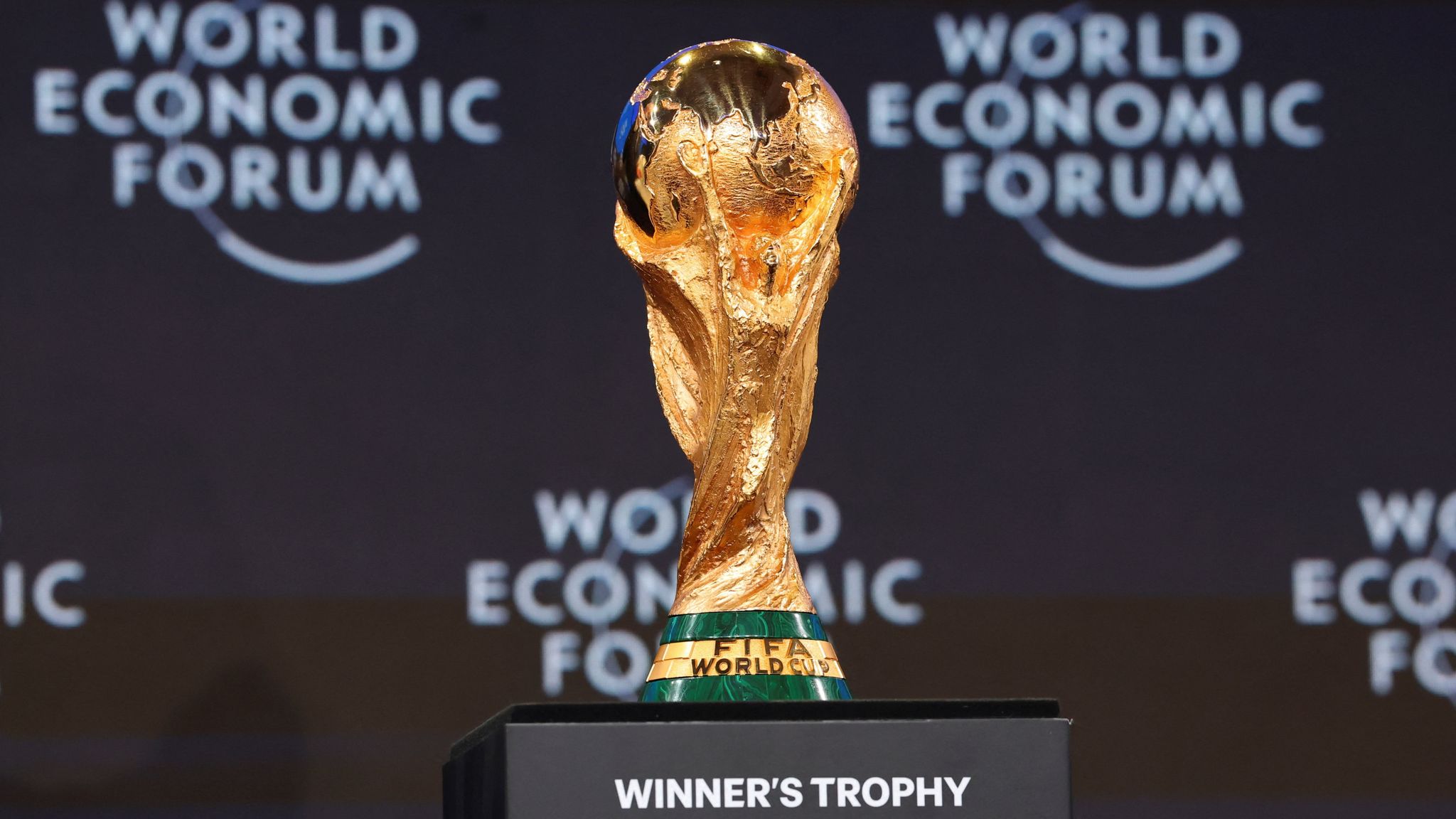
With the World Cup less than five weeks away, Lloyds warns that scammers will increasingly exploit the global frenzy surrounding the tournament. The risk is particularly acute given the dramatic spike in official ticket prices for the event’s most coveted seats.

FIFA’s Ticket Price Hike Fuels Resale Market and Scams
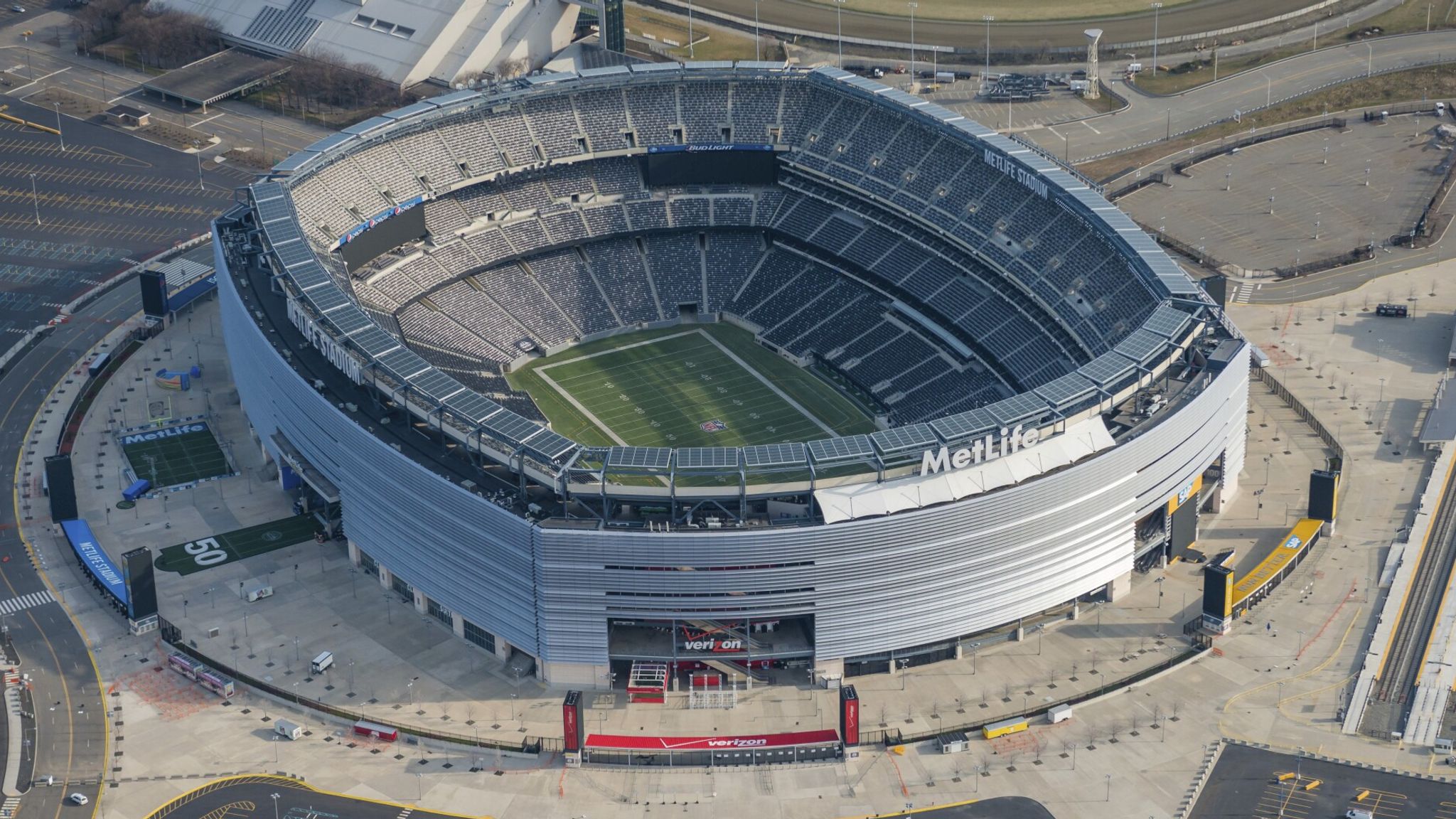
FIFA recently announced a startling tripling of prices for the best available tickets to the World Cup final, scheduled at MetLife Stadium in New Jersey. The front category one seats now cost $32,970 (£24,176), up from $10,990 (£8,000) earlier this year. This price increase applies to most seats, with the exception of wheelchair and easy access sections, which remain at the lower rate.
The MetLife Stadium, home to NFL’s New York Giants and New York Jets, will also host England’s final group game against Panama on June 27, intensifying demand for tickets in the region.
Other venues hosting key matches have also seen significant ticket price ranges. For example, the first semi-final at AT&T Stadium in Arlington, Texas, offers tickets from $2,705 (£1,984) to $11,130 (£8,164). Meanwhile, the second semi-final at Atlanta’s Mercedes-Benz Stadium demands between $2,725 (£1,999) and $10,635 (£7,801) per ticket.
Tickets for the USA’s group stage matches vary as well, with the highest prices reaching $2,970 (£2,179) for their game against Turkey and the lowest top-tier price at $2,715 (£1,991) for the Australia match. The tournament kicks off with the joint hosts facing Paraguay on June 12 at the state-of-the-art SoFi Stadium in Inglewood, California.
FIFA Defends Pricing Amid Resale and Market Dynamics
FIFA President Gianni Infantino has defended the steep ticket prices, stating the organization operates within the broader entertainment market, which is highly developed and driven by market rates. Speaking at the Milken Institute Global Conference in California, Infantino emphasized that ticket reselling is permitted in the US, which naturally drives prices higher if initial prices are set too low.
“Even though some people say the ticket prices are high, they still end up on the resale market at even higher prices—more than double our price,” Infantino explained.
He illustrated the point by comparing World Cup ticket costs to those of college gridiron football games in the US, which can reach $300 (£220). Last month, a resale listing for a final match ticket on FIFA’s official resale platform astonishingly reached nearly $2.3 million (£1.7 million).
When asked about these astronomical resale prices, Infantino quipped he would offer the buyer a hot dog and a Coke to ensure a great experience—highlighting the gulf between official pricing and resale market speculation.
Why This Matters to Fans and the Football Community
The convergence of ticket price inflation and a thriving resale market creates fertile ground for scammers. As fans clamor for the chance to witness one of football’s most prestigious events, the risk of falling victim to fraudulent sellers escalates. The average financial loss of £215 per scam victim underscores the urgent need for vigilance.
Given the high stakes, fans should only purchase tickets through official FIFA channels or trusted vendors. Awareness campaigns from banks and organizations like Lloyds aim to reduce scam incidents by educating supporters on recognizing legitimate offers versus potential fraud.
With millions of fans worldwide eager to attend matches across multiple US venues, safeguarding the ticket-buying process remains critical to ensuring a fair and enjoyable World Cup experience for all.
Looking Ahead: Staying Safe Amid World Cup Fever
As the countdown to the 2026 World Cup continues, the dual challenges of inflated ticket prices and rising scams will persist. Fans must approach ticket purchases with caution, verifying authenticity and avoiding tempting offers that seem too good to be true.
Meanwhile, FIFA’s pricing strategy and the unpredictable resale market will remain hotly debated topics, influencing how supporters engage with the event financially and emotionally.
Ultimately, the World Cup’s global appeal is undiminished, but protecting fans from fraud is essential to preserving the spirit and integrity of the beautiful game.