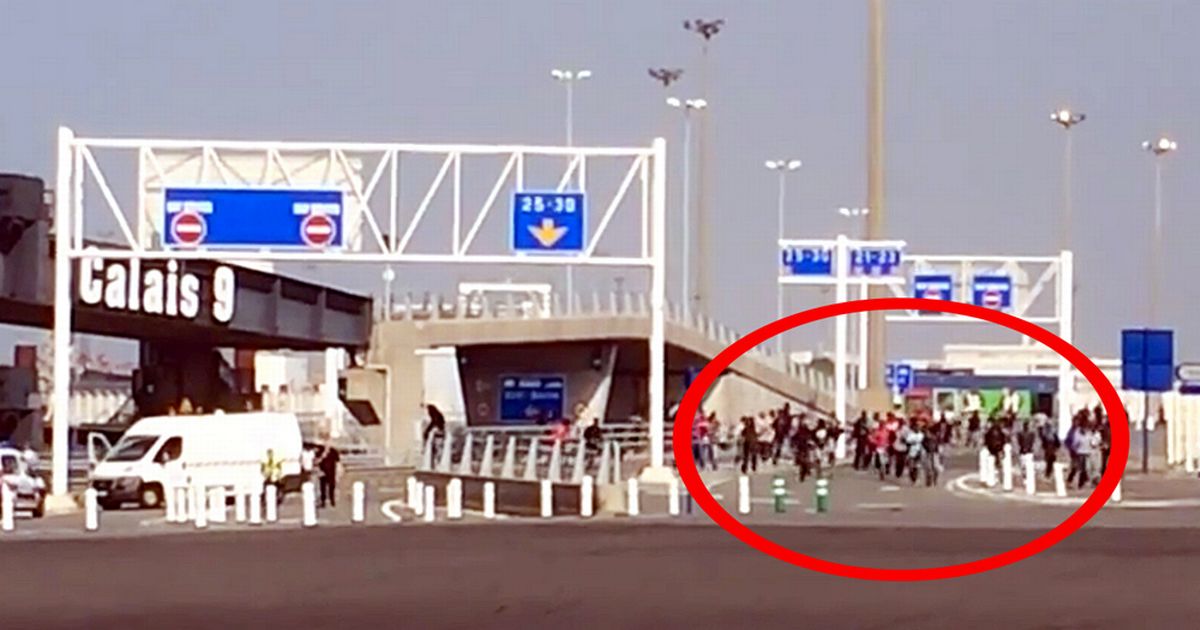
Authorities intercepted nearly 100 illegal immigrants attempting to enter Britain through the Channel Tunnel, highlighting ongoing challenges in securing one of Europe’s busiest transport links. The latest incident unfolded late in the evening near Calais, France, causing significant disruption to both passenger and freight services and intensifying pressure on governments to address migration control at this critical juncture.
What Happened at the Eurotunnel Compound?
Eurotunnel officials reported that around 9:45 p.m. local time, a group of up to 100 illegal immigrants was discovered inside the Eurotunnel compound located at Coquelle, just north of Calais. This unauthorized intrusion forced the suspension of freight operations overnight and delayed passenger train services for several hours, underscoring the vulnerability of the tunnel’s security measures. The first freight train after the disruption was not expected to depart until 6:06 a.m., illustrating the significant operational impact such attempts can have on this vital transport artery between France and the United Kingdom.
These incidents are far from isolated. Earlier in the week, authorities found 44 Afghan nationals attempting to walk through the Channel Tunnel. Both groups reportedly originated from the nearby refugee camp at Sangatte, situated only half a mile from the tunnel entrance. This proximity has made Sangatte a focal point in the ongoing migration challenge, as residents there frequently attempt to reach Britain by navigating through or around the tunnel’s security perimeter.
__IMAGE_PLACEHOLDER_1__
The Role of the Sangatte Refugee Camp
The Sangatte camp, which accommodates up to 700 refugees, predominantly Kurds from Iraq and Afghans, has become synonymous with repeated migration attempts via the Channel Tunnel. Its location near the tunnel creates a persistent headache for both British and French authorities. Reports indicate that the camp serves as a staging ground for migrants aiming to enter the UK illegally, fueling tensions between the two countries over how best to manage the situation.
According to a report from the Sunday Telegraph, British Home Secretary David Blunkett recently communicated with French Interior Minister Daniel Vaillant via telephone, expressing concerns that Sangatte “was not helping” Britain’s efforts to stem illegal immigration. While a Home Office spokesperson refrained from confirming any formal request for the camp’s closure, they acknowledged that the issue had been discussed and emphasized that the camp’s location posed challenges for controlling access to the Eurotunnel.
Eurotunnel, which operates the tunnel infrastructure and faces substantial financial penalties for each illegal immigrant who manages to cross into Britain, has taken legal steps in French courts seeking the closure of Sangatte. The company argues that the camp’s presence directly contributes to repeated security breaches and threatens the safety and reliability of tunnel operations.
__IMAGE_PLACEHOLDER_2__
Why This Matters: The Broader Immigration and Security Challenge
The Channel Tunnel stands as a critical economic and transport link between the UK and continental Europe, facilitating the movement of millions of passengers and tonnes of freight annually. However, it also represents a symbolic and practical flashpoint in the ongoing debate over immigration control and border security.
Efforts to prevent illegal crossings through the tunnel are complex, involving cooperation between British and French authorities, private operators like Eurotunnel, and humanitarian concerns related to the refugees themselves. The repeated attempts to breach tunnel security reveal the desperation among migrants to reach the UK, as well as the challenges faced by border enforcement agencies.
The presence of camps like Sangatte so close to key infrastructure underscores a difficult balancing act. On one hand, these sites provide shelter to refugees fleeing conflict and persecution; on the other hand, their proximity to transport hubs increases the risk of illegal entry attempts, disrupting operations and raising security concerns.
For the UK government, managing this issue requires diplomatic engagement with France, legal action against enabling factors, and robust border enforcement. The discussions between Home Secretary Blunkett and French officials signal a recognition of the need for collaborative solutions, though ultimate decisions about camp locations rest with French authorities.
__IMAGE_PLACEHOLDER_3__
Looking Ahead: What Comes Next?
As Eurotunnel continues legal proceedings aimed at shutting down Sangatte, and as governments deliberate over migration policies, the Channel Tunnel remains a flashpoint illustrating the intersection of humanitarian, legal, and security challenges. Preventing illegal crossings while respecting refugee rights demands nuanced strategies, including enhanced security measures, improved refugee processing, and international cooperation.
For travelers and freight operators, these incidents serve as reminders of the vulnerability of critical infrastructure to migration pressures. For policymakers, the ongoing situation calls for sustainable approaches that address the root causes of migration and the operational risks posed by nearby refugee camps.
Ultimately, the recent interception of nearly 100 migrants at the Eurotunnel compound is more than a singular event. It is a symptom of broader regional dynamics that will require continued attention, resources, and collaboration to ensure the secure and efficient functioning of one of Europe’s most important cross-border links.