

Health authorities in Britain are calling for a major expansion of meningitis vaccination programs, urging that all teenagers receive free immunizations to protect against this potentially fatal disease. This recommendation aims to curb the incidence of meningitis, especially among young people who remain at heightened risk.
Why the Push for Universal Teen Vaccination?
Meningitis, an inflammation of the membranes surrounding the brain and spinal cord, can escalate rapidly and lead to severe complications or death. While vaccines have successfully reduced cases linked to certain strains, experts warn that many teenagers remain vulnerable to other meningitis types not covered in current immunization schedules.
The government’s advisory panel emphasized that expanding free vaccinations to all teenagers would close critical protection gaps. Currently, only select groups or age ranges receive routine meningitis vaccines. By broadening access, health officials hope to prevent outbreaks and reduce the disease’s devastating impact on young lives.
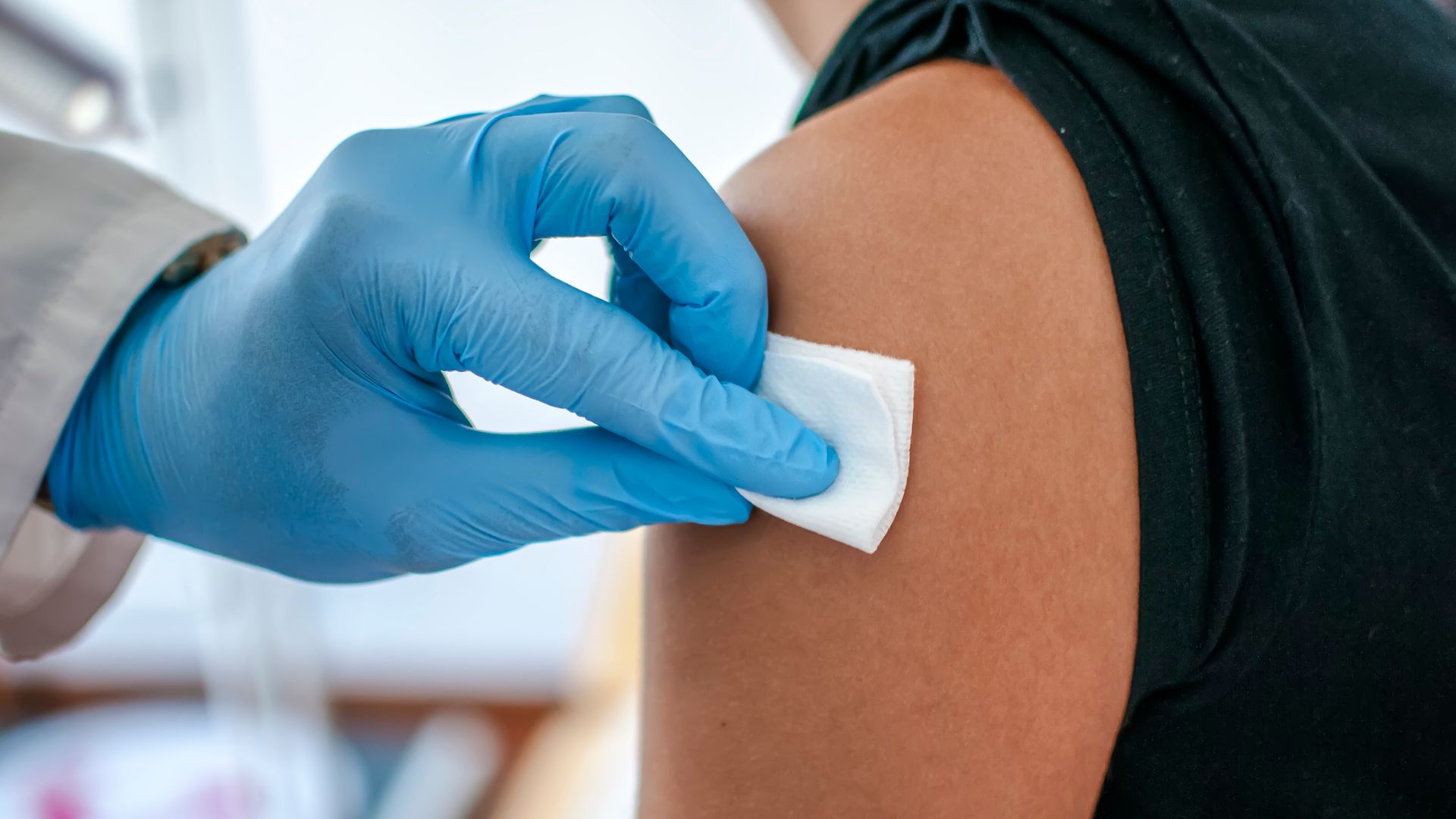
Current Vaccination Policies and Gaps in Protection
At present, the UK’s immunization program targets infants and specific at-risk populations for meningitis vaccines. However, teenagers, who often experience increased social interactions in school and social settings, face growing exposure risks. This demographic is also more likely to carry meningitis-causing bacteria asymptomatically, unknowingly transmitting it to peers.
The advisory group highlighted that expanding free meningitis jabs to all teenagers would align with evidence demonstrating the vaccine’s safety and efficacy. It would also harmonize Britain’s approach with other countries that have successfully implemented universal adolescent meningitis vaccination, resulting in lower infection rates.
Implications for Public Health and Future Steps
Implementing universal meningitis vaccination for teenagers could significantly reduce both the number of cases and the severity of outbreaks. It would also alleviate healthcare burdens linked to treating meningitis’s long-term consequences, such as brain damage, hearing loss, or limb amputations.
The recommendation now awaits government consideration and potential integration into the national immunization schedule. Health experts urge swift action, noting that delays could leave thousands of teenagers unprotected against a preventable yet deadly illness.
What this means is a proactive step toward safeguarding the health of Britain’s youth. Expanding free meningitis vaccinations reflects a commitment to preventive medicine and community health resilience. For parents and teenagers, it offers reassurance that protection against meningitis will be more accessible, reducing the risk of sudden, life-threatening illness.
As the government evaluates this pivotal recommendation, the public health community remains hopeful that universal adolescent meningitis vaccination will soon become standard practice across Britain, setting a new benchmark in disease prevention and adolescent healthcare.