

Starting later this year, all newborns in England will undergo screening for spinal muscular atrophy (SMA), a rare but devastating genetic disorder that leads to progressive muscle weakness and wasting. This landmark decision by the Department of Health marks a significant step forward in early diagnosis and treatment of this debilitating condition.
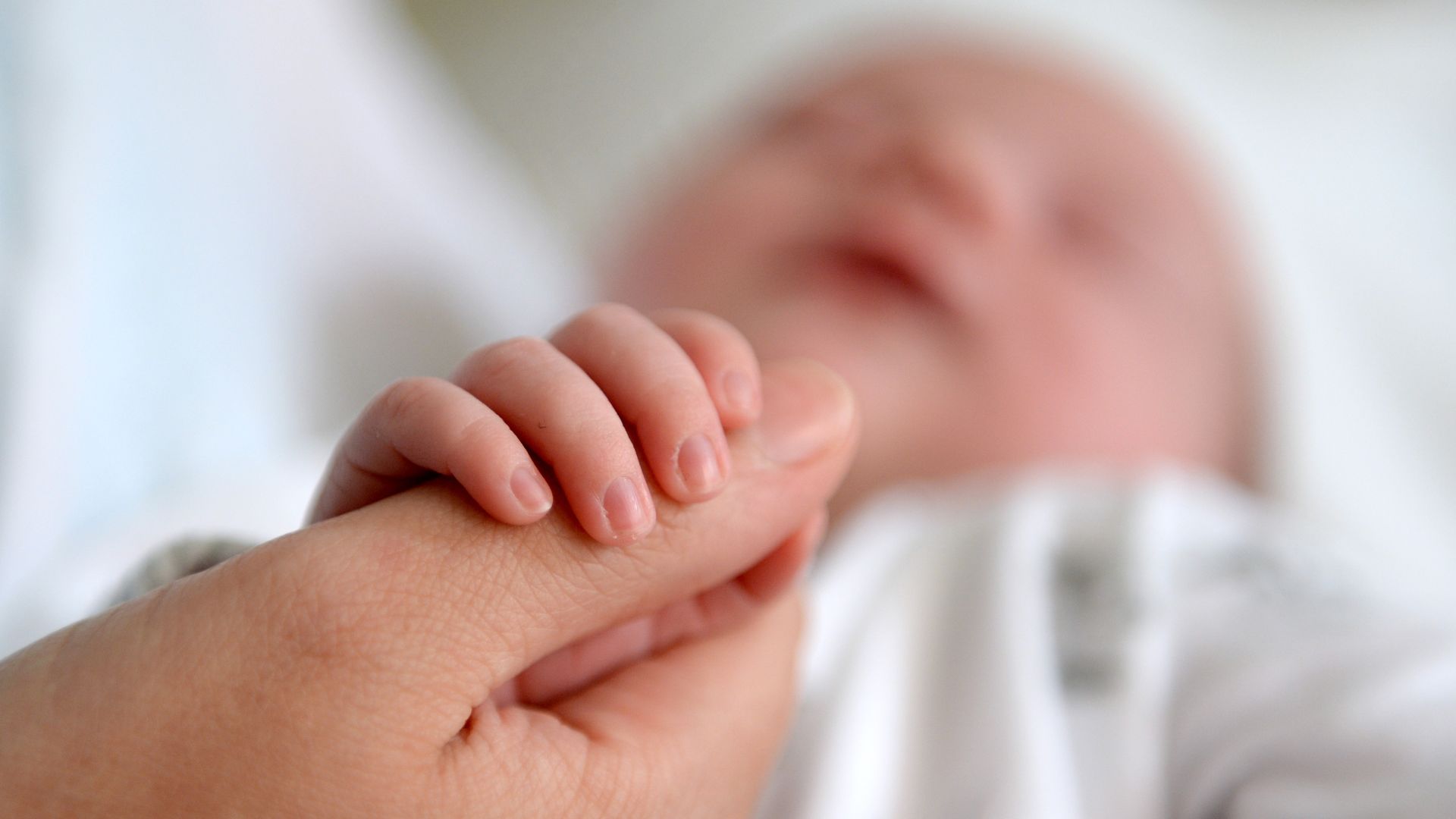
What Is Spinal Muscular Atrophy and Why Early Detection Matters
Spinal muscular atrophy is a hereditary neuromuscular disease characterized by the loss of motor neurons in the spinal cord and brainstem. This loss causes muscles to weaken and waste away over time, severely impacting mobility and, in severe cases, respiratory function. SMA is one of the leading genetic causes of infant mortality worldwide.
Symptoms often appear within the first few months of life, including difficulties in head control, swallowing, and breathing. Because the condition progresses rapidly, early intervention is crucial to improve outcomes. Unfortunately, many infants are diagnosed only after symptoms emerge, sometimes leaving a narrow window for effective treatment.
England’s Newborn Screening Program: A Game Changer
The upcoming newborn screening initiative will systematically test infants for SMA shortly after birth across England. This program aims to identify affected babies before symptoms develop, allowing healthcare providers to begin treatment at the earliest and most effective stage.
The Department of Health’s plan aligns with growing international recognition of the benefits of newborn screening for SMA. Countries that have implemented similar programs have reported improved survival rates and quality of life for diagnosed children, thanks to prompt access to groundbreaking therapies.
Treatments such as gene therapy and novel medications can slow or even halt disease progression if administered early. By embedding SMA screening into the existing newborn bloodspot test — which already screens for multiple conditions — the program ensures a seamless addition without requiring extra procedures for families.
Voices from the Frontline: Advocates and Families Respond
The announcement has been warmly welcomed by medical experts, patient advocacy groups, and families affected by SMA. Many highlight the emotional and physical toll SMA takes on children and their loved ones, emphasizing that early detection offers hope where previously there was little.
Prominent figures, including artists and public personalities who have personal connections to SMA, have publicly supported the initiative. Their advocacy helps raise awareness about the condition’s challenges and the transformational potential of newborn screening.
Healthcare professionals also stress the importance of public education to accompany the rollout. Ensuring families understand the purpose and benefits of the screening will be essential for maximizing participation and delivering timely care.
What This Means for Families and the Future of SMA Care
The introduction of routine SMA screening for newborns in England represents a critical advancement in public health and genetic medicine. For families, it offers the promise of earlier diagnosis, access to life-altering treatments, and improved long-term outcomes for affected children.
Moreover, this initiative may serve as a model for expanding newborn screening programs to include other rare but treatable conditions. It reflects a broader commitment by the Department of Health to integrate cutting-edge medical advances into preventive care strategies.
As the program prepares to launch, continued collaboration between government agencies, healthcare providers, researchers, and patient communities will be vital. Together, they can ensure that every newborn diagnosed with SMA receives the support and medical intervention necessary to live healthier, fuller lives.
In summary, England’s plan to test all newborns for spinal muscular atrophy by the end of this year ushers in a new era of hope and medical progress for one of the most challenging childhood diseases. Early detection and treatment could dramatically change the futures of countless children across the country.