Rio de Janeiro stands on the brink of a monumental celebration: just one year remains until the 2016 Olympic Games’ grand opening ceremony. As August 5 approaches, the city pulses with anticipation, ready to welcome the world to an unforgettable sporting extravaganza. Rio’s vibrant streets and iconic landscapes are preparing to host a global gathering unlike any before.
The Unprecedented Scale of Rio 2016
In just twelve months, Brazil’s most famous city will become the epicenter of international sports, drawing an astonishing 10,500 athletes from 205 countries. The Olympic Games, a pinnacle of global unity and athletic achievement, will unfold across 28 sports and 42 disciplines, captivating millions of fans both in the stadiums and around the world.
The scale of the event is staggering. Organizers expect to sell seven and a half million tickets, as spectators flock to watch world-class competition. The heart of the Games will beat strongest in the Barra da Tijuca neighborhood, where 12 state-of-the-art venues will host 22 disciplines. Meanwhile, 18 additional venues across Rio’s diverse districts, including Copacabana, Deodoro, and the legendary Maracanã, will stage the remaining 20 disciplines.
Football matches will add a unique dimension by spreading beyond Rio. Cities such as Brasília, Belo Horizonte, São Paulo, Salvador, and Manaus will host games, culminating with the thrilling gold medal match back in Rio. This geographic diversity underscores the Olympics’ reach and Brazil’s passion for sport.
Crucially, Rio 2016 marks the first time the Olympic and Paralympic Games will be held on South American soil. This historic milestone fills Brazilians with immense pride and excitement as they prepare to showcase their culture, hospitality, and renowned love for sports to the world.
__IMAGE_PLACEHOLDER_1__
Discovering Rio: Twelve Must-Do Experiences Before the Games
To celebrate the countdown, visitors and locals alike can immerse themselves in the rich experiences Rio offers beyond the Olympic venues. Here are twelve unforgettable activities that reveal the essence of this magnificent city.
1. Hiking Tijuca National Park: Nature’s Urban Sanctuary
Tijuca National Park sprawls across 15 square miles, encircling Rio with lush greenery and breathtaking vistas. As the world’s largest urban forest, it boasts hundreds of miles of trails winding through vibrant flora and thriving fauna. Hikers are rewarded with panoramic views of iconic landmarks such as Corcovado’s Christ the Redeemer statue and the jagged Pedra da Gávea, a favorite challenge for rock climbers. This natural haven offers a peaceful retreat amid the city’s bustle.
2. Nightlife and Rhythm in Lapa
Lapa, Rio’s bohemian quarter, pulses with energy, especially on weekend nights. Its historic streets come alive with the sounds of samba and forró, inviting visitors to dance alongside locals. Packed with lively bars, restaurants, and clubs, Lapa offers an authentic glimpse into Brazilian music culture and social life. Here, the open-air parties and vibrant crowds capture the city’s joyous spirit.
3. Picnicking at Rio’s Botanical Garden
Founded in 1808 by Dom João VI, the Botanical Garden serves as a living museum of rare plants and flowers. Recognized by UNESCO as a Biosphere Reserve, it offers family-friendly spaces complete with playgrounds and picnic areas. Visitors can observe playful monkeys and colorful parakeets among the trees, making it an enchanting spot for both nature lovers and those seeking relaxation.
4. Witness the Passion at Maracanã Stadium
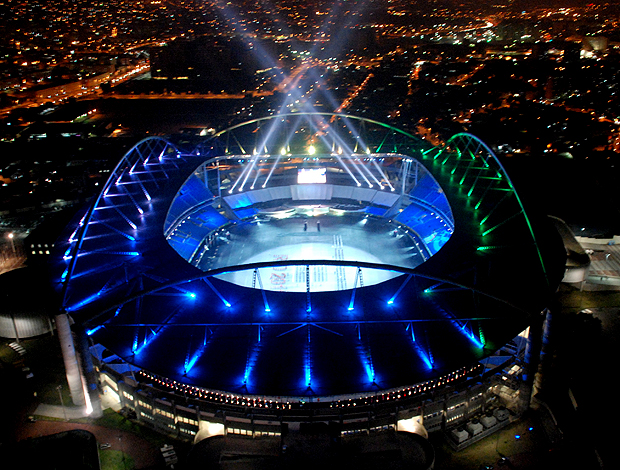
No visit to Rio is complete without experiencing a match at Maracanã Stadium, a temple of soccer fervor. Since its opening in 1950 to host the FIFA World Cup, it has become a symbol of Brazilian football culture. The stadium’s electric atmosphere, charged by thousands of fans, drums, fireworks, and chanting anthems, creates an unforgettable spectacle. Renovated for the 2014 World Cup and slated to host the Olympic opening and closing ceremonies, Maracanã stands as a monument to sport’s unifying power.
5. Exploring Rio’s Artistic Treasures
Rio’s vibrant art scene is showcased in its numerous museums. The Museum of Art of Rio (MAR), National Museum of Fine Arts, Museum of Modern Art (MAM), and Niterói Contemporary Art Museum (MAC), designed by famed architect Oscar Niemeyer, offer diverse collections spanning local and international masterpieces. Excitement also surrounds upcoming cultural landmarks: the futuristic Museum of Tomorrow by Santiago Calatrava and the relocated Museum of Image and Sound on Copacabana beach promise to enrich the city’s artistic landscape just in time for the Games.
6. Surfing the Legendary Beaches
Rio’s coastline is a surfer’s paradise. Prainha Beach, about 45 minutes from downtown, features powerful 12 to 15-foot waves ideal for experienced surfers. Arpoador Beach, nestled between Ipanema and Copacabana, is famous for its unique night surfing sessions, illuminated to allow riders to catch waves under the stars. The expansive 11-mile shore of Barra da Tijuca supports kite surfing, propelled by consistent winds and a vibrant community passionate about beach sports.
__IMAGE_PLACEHOLDER_2__
7. Embracing Local Life on Rio’s Shores
From bustling Copacabana and Ipanema to the tranquil Grumari, Rio’s beaches reflect the city’s diverse character. Each stretch of sand is defined by its regular visitors and activities, creating a mosaic of social and sporting life. Vendors roam the shores selling refreshing coconut water, salty snacks, and colorful beachwear. Meanwhile, locals engage in soccer, volleyball, stand-up paddleboarding, jogging, and the uniquely Brazilian footvolley, offering visitors a chance to blend seamlessly with the carioca lifestyle.
8. Soaring Above the City: Hang Gliding Adventures
For thrill seekers, Rio’s dramatic topography and favorable weather set the stage for exhilarating hang gliding flights. Pedra Bonita in Tijuca National Park features a popular launch ramp, where gliders soar over forests and coastline, taking in sweeping views of the ocean and cityscape. This aerial perspective offers an unmatched way to appreciate Rio’s natural beauty and urban vibrancy.
9. Savoring the Carioca Culinary Spirit
Rio’s social fabric is woven through its “botequins”, casual bars where friends gather to share cold draft beer (known locally as “chopp”) and traditional appetizers. Dishes like fried cassava, codfish balls, “pasteis” (savory pastries), and “coxinhas” (chicken croquettes) reflect the city’s Portuguese and African heritage. For enthusiasts of Brazil’s national spirit, many bars specialize in “cachaça,” offering tastings of artisanal varieties. Saturdays are synonymous with feijoada, the hearty black bean stew, giving visitors a genuine taste of carioca cuisine.
10. Strolling the Artistic Enclave of Santa Teresa
Santa Teresa’s cobblestone streets exude charm and history. This neighborhood boasts a creative atmosphere with quaint cafes, art galleries, and restaurants housed in 19th-century architecture. Must-see highlights include the Escadaria Selarón, an extraordinary mosaic staircase crafted by Chilean artist Jorge Selarón, the Cultural Centre Parque das Ruínas overlooking Guanabara Bay, and the Museu Chácara do Céu, which exhibits works by celebrated Brazilian artists like Candido Portinari and Iberê Camargo.
11. Exploring Rio by Bicycle
Biking offers an immersive way to discover Rio’s diverse neighborhoods and scenic beauty. Dedicated bike lanes along beaches and lakes provide stunning vistas at every turn. The city’s public Bike Rio program features bright orange rental bikes available for affordable daily or monthly passes. For more adventurous riders, guided tours venture into hilltop trails such as Chinese View, Corcovado, and through Tijuca Forest, combining fitness with exploration.
12. Experiencing the Olympic Spirit Early
Rio is already in full Olympic mode thanks to the “Aquece Rio” or “Warm-up Rio” test events running through May 2016. These 40 competitions serve as a dress rehearsal for the Games, allowing spectators to witness world-class athletes in action while exploring newly completed Olympic venues. In early August, triathlon and equestrian test events will spotlight iconic locations like Copacabana and Deodoro, building excitement as the countdown nears its final stages.
__IMAGE_PLACEHOLDER_3__
Why It Matters: The Global and Local Significance of Rio 2016
The 2016 Olympics represent far more than a sporting event for Rio de Janeiro and Brazil. Hosting the Games on South American soil for the first time signals the continent’s emergence on the global stage. It offers an unparalleled opportunity to showcase Brazil’s rich culture, hospitality, and infrastructural progress, fueling tourism and international goodwill.
For Rio’s residents, the Olympics bring a surge of pride and investment, transforming neighborhoods and creating lasting legacies in transport, sports facilities, and cultural institutions. The event also inspires a new generation of athletes and fans, reinforcing Brazil’s passion for sports and unity.
As the city counts down to August 5, 2016, the world’s eyes turn to Rio, poised to experience a celebration of human achievement, vibrant culture, and breathtaking landscapes. The next twelve months promise to be a journey filled with anticipation, discovery, and unforgettable moments.