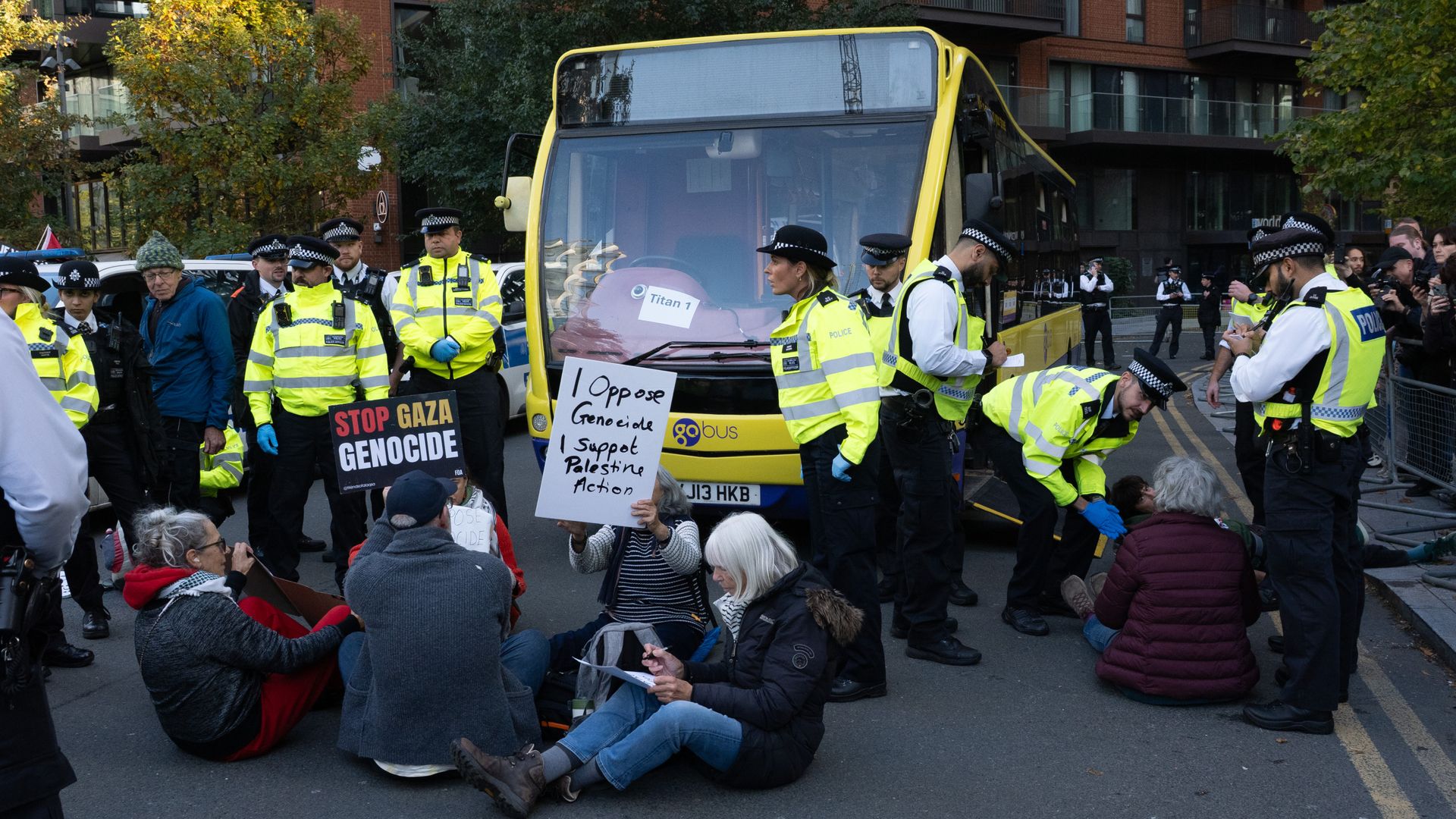
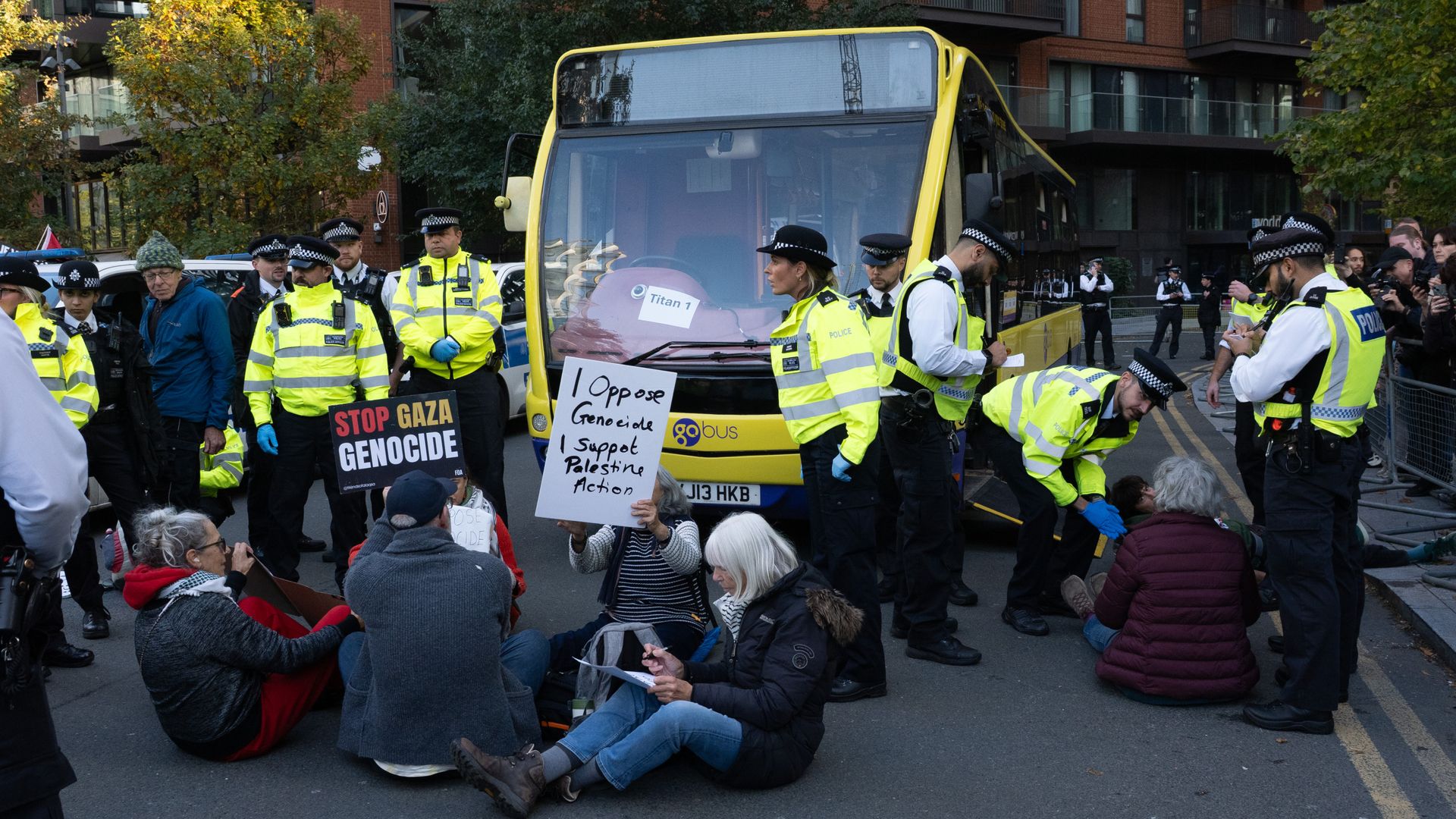
London witnessed a significant police operation as authorities arrested 139 individuals during a large-scale protest supporting Palestine Action. The majority of those detained faced charges related to expressing support for a proscribed organisation, underscoring the serious legal ramifications tied to the demonstration.
What Happened During the Protest?
The protest took place in central London, drawing a substantial crowd of activists advocating for Palestinian causes. As the demonstration escalated, law enforcement intervened to manage the situation and enforce public order laws. Police confirmed that a total of 139 people were arrested, highlighting the scale and intensity of the event.
Authorities indicated that most individuals were detained on grounds of showing support for a proscribed organisation—an offence under UK law. The designation of such groups is part of broader counterterrorism measures aimed at curbing activities deemed threatening to national security.
Understanding the Legal Context
The term “proscribed organisation” refers to groups that the UK government has officially banned due to their involvement in terrorism or activities that undermine public safety. Supporting, promoting, or affiliating with these organisations can lead to criminal charges, including arrest and prosecution.
Palestine Action is known for its direct-action tactics, often targeting companies and infrastructure linked to the Israeli military-industrial complex. While activists argue their protests advocate for human rights and justice, authorities view some of their activities as crossing legal boundaries, particularly when linked to banned groups.
The arrests during this protest demonstrate the government’s firm stance on limiting support for proscribed organisations. Police are tasked with balancing the right to peaceful protest against the need to prevent illegal activities that could incite violence or support terrorism.
Why This Protest and Arrests Matter
This mass arrest operation highlights the ongoing tensions surrounding activism related to the Israeli-Palestinian conflict within the UK. As public demonstrations grow in prominence, so does scrutiny from law enforcement agencies concerned about national security implications.
The large number of arrests reflects both the scale of the protest and the seriousness with which authorities treat any perceived association with banned groups. It also raises important questions about civil liberties and the boundaries of lawful protest in a democratic society.
Supporters of Palestine Action view these arrests as attempts to suppress legitimate dissent and political expression. Conversely, law enforcement maintains that enforcing laws around proscribed organisations is vital to maintaining public safety and countering extremism.
What Comes Next?
The arrested individuals may face legal proceedings that could include charges related to terrorism legislation. The outcomes of these cases will likely influence how future protests connected to similar causes are policed and managed.
Authorities will continue to monitor activist groups and demonstrations closely, striking a delicate balance between protecting free speech and preventing unlawful support for banned organisations.
The situation underscores the complex dynamics at play when political activism intersects with national security concerns. Observers and participants alike will be watching closely to see how these developments impact protest strategies and law enforcement approaches moving forward.
Takeaway
The arrest of 139 protesters in central London marks a significant moment in the ongoing debate over activism related to the Israeli-Palestinian conflict and the limits of lawful protest. It highlights the UK government’s commitment to enforcing laws against proscribed organisations while raising critical questions about civil liberties and the right to political expression. As legal processes unfold, this event may set important precedents for future demonstrations and the policing of politically sensitive protests.