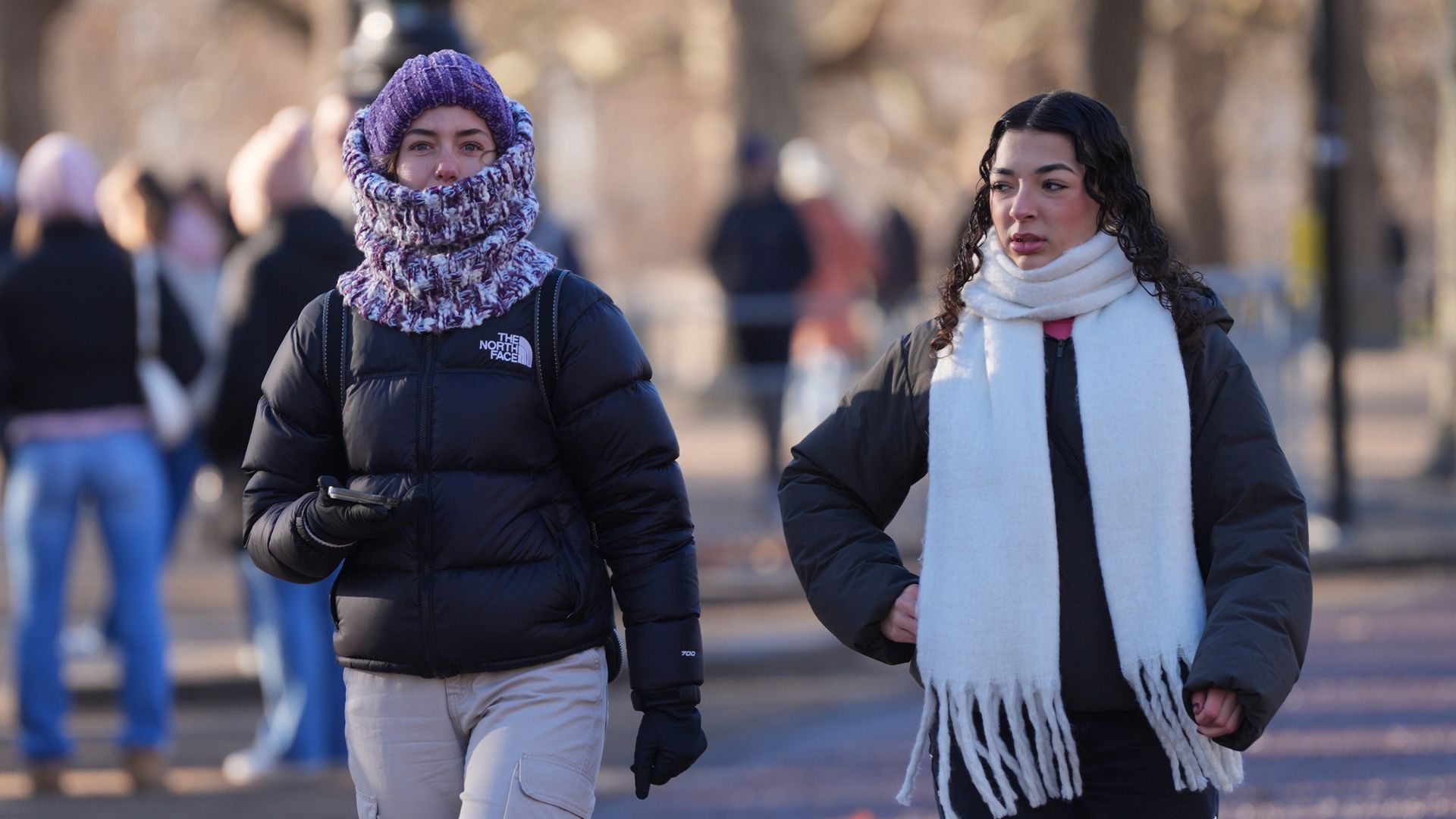
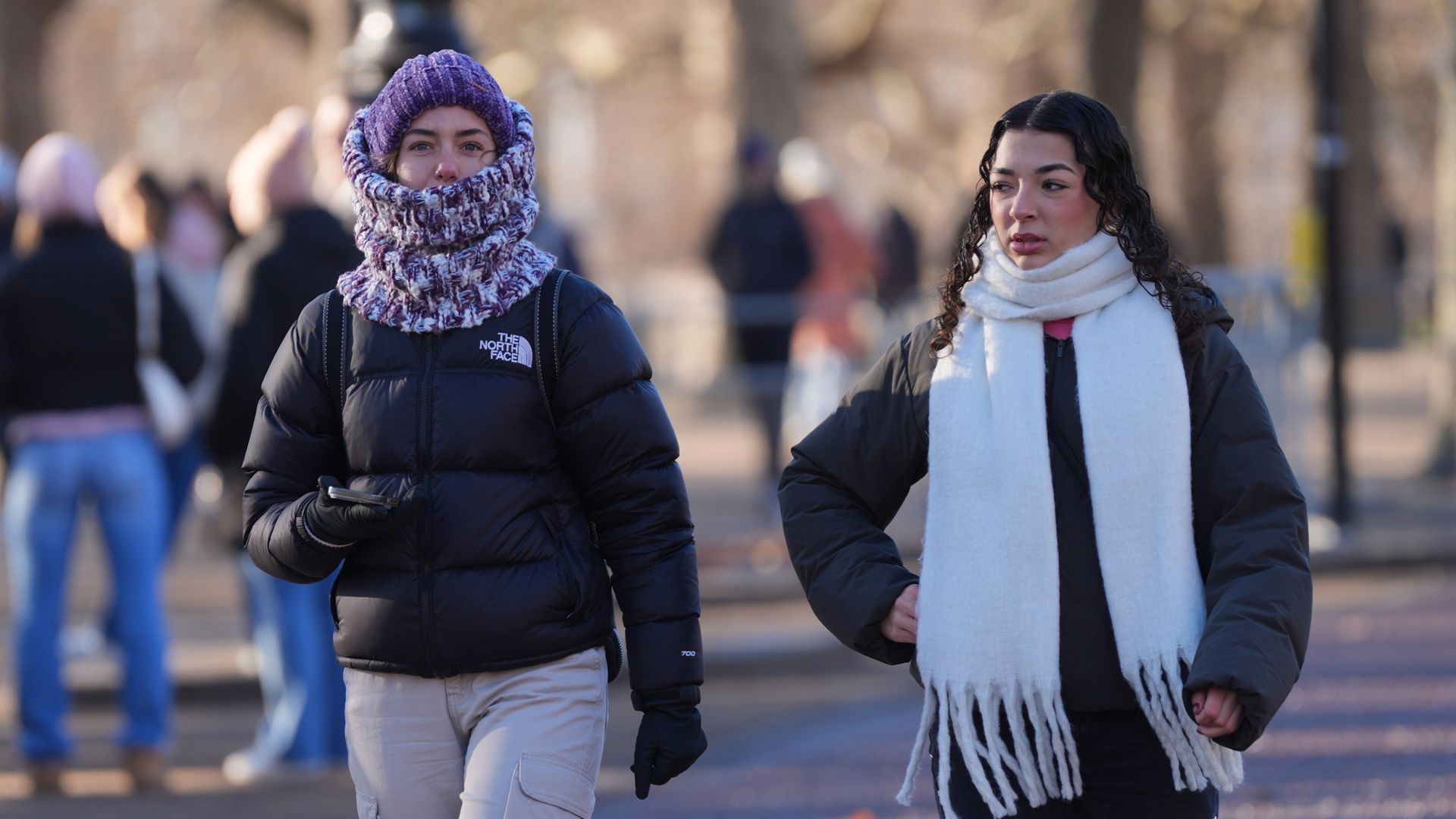
Communities across the region are bracing for a sustained deep freeze after meteorologists extended the cold weather warning following a sharp temperature drop to -10°C (14°F) overnight into Saturday. This significant chill marks one of the coldest spells of the season, signaling challenging conditions ahead for residents and local services.
What Happened: A Sudden Plunge in Temperatures
Temperatures fell dramatically overnight, plunging to a bone-chilling -10°C in several areas. This drop is notably colder than earlier forecasts predicted and has prompted the extension of the existing cold weather warning. Authorities have stressed the importance of preparedness as the harsh conditions are expected to persist over the weekend and potentially into early next week.
The meteorological department reported that a cold front sweeping in from the north is responsible for the plunge. This front has brought with it icy winds and clear skies, which have combined to accelerate the temperature decrease after sunset. The resulting frost and freezing conditions pose risks for travel, infrastructure, and vulnerable populations.
Why It Matters: Impact on Communities and Infrastructure
Extended periods of sub-zero temperatures can severely affect daily life. For many, the cold spell demands increased heating at home, which translates to higher energy consumption and costs. Local authorities are urging residents to check on elderly neighbors and those with health vulnerabilities to ensure they are safe and warm.
Roads and transport networks face significant challenges as frost and ice accumulate. Officials are deploying gritters and salt spreaders to combat icy surfaces, aiming to prevent accidents and ensure emergency services can operate unhindered. Commuters are advised to exercise caution, plan extra travel time, and stay updated on weather and traffic reports.
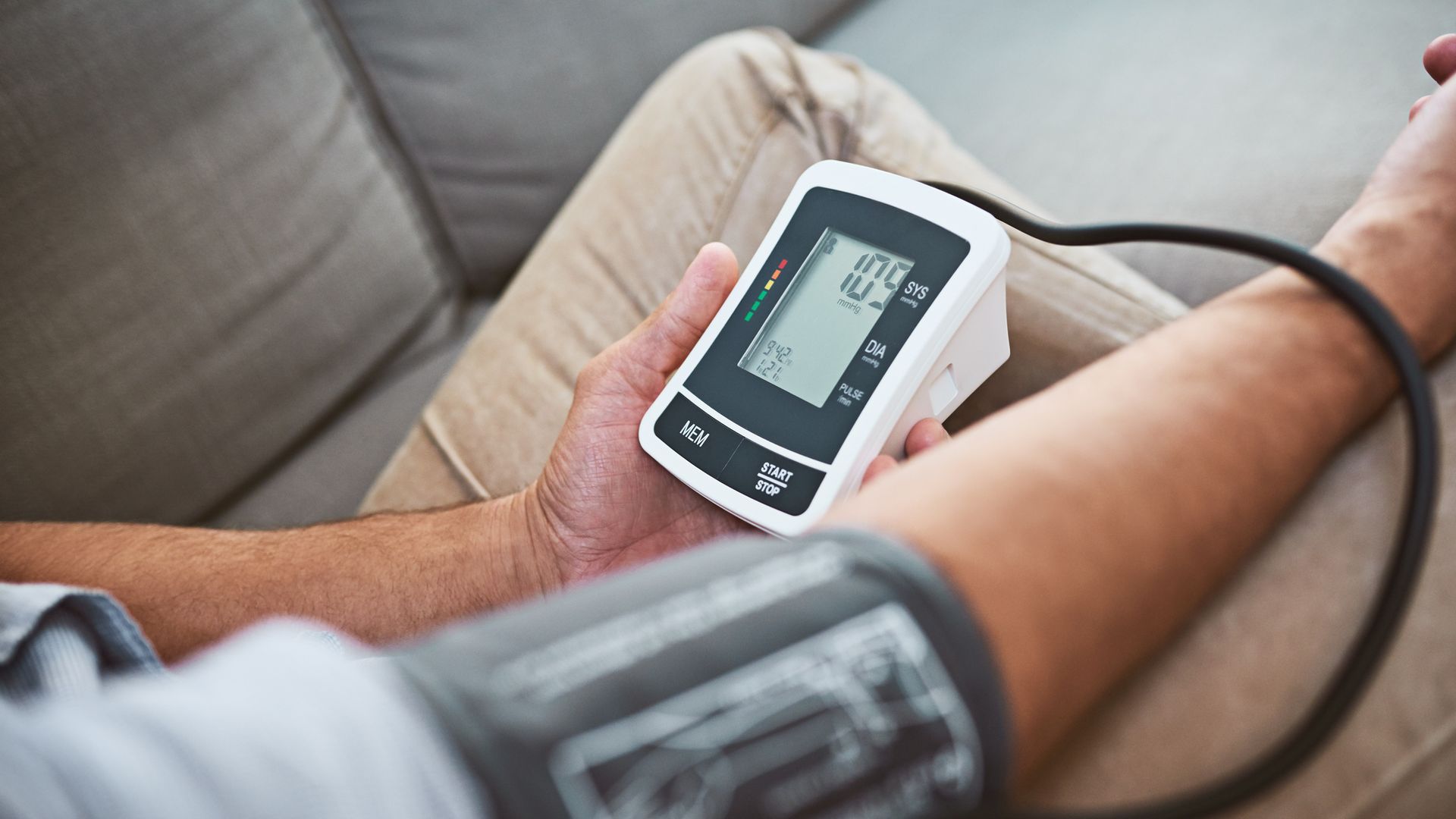
Healthcare providers also prepare for a rise in cold-related illnesses such as hypothermia and respiratory issues. Public health campaigns are underway to remind people to dress warmly, limit outdoor exposure, and seek medical help if symptoms worsen.
What Comes Next: Preparing for Continued Cold Weather
Forecasters indicate that the cold weather warning will remain in place as temperatures are expected to stay near or below freezing for the foreseeable future. While some areas may experience a slight rebound during daylight hours, the overall trend points to persistent cold conditions.
Residents are encouraged to take proactive measures: insulating homes, securing pipes against freezing, and ensuring pets are sheltered from the cold. Schools and workplaces are monitoring conditions closely for potential closures or adjustments to schedules if the weather worsens.
Energy providers have been alerted to the potential surge in demand and are ready to respond to any outages or disruptions. The community’s resilience will depend on coordinated efforts between local government, emergency services, and the public to navigate this cold snap safely.
Looking Ahead: The Broader Significance of the Cold Snap
This extended cold spell serves as a stark reminder of the region’s vulnerability to extreme weather events, especially during transitional seasons. It highlights the critical need for infrastructure that can withstand such conditions and for public awareness on how to mitigate risks associated with severe cold.
As climate patterns continue to shift, more frequent and intense cold events could become a reality. The current situation underscores the importance of preparedness, community support, and responsive services to protect health and safety.
In the meantime, everyone is urged to stay informed through official weather updates and to prioritize safety amid the ongoing freeze. Taking simple precautions today can prevent serious consequences tomorrow.