

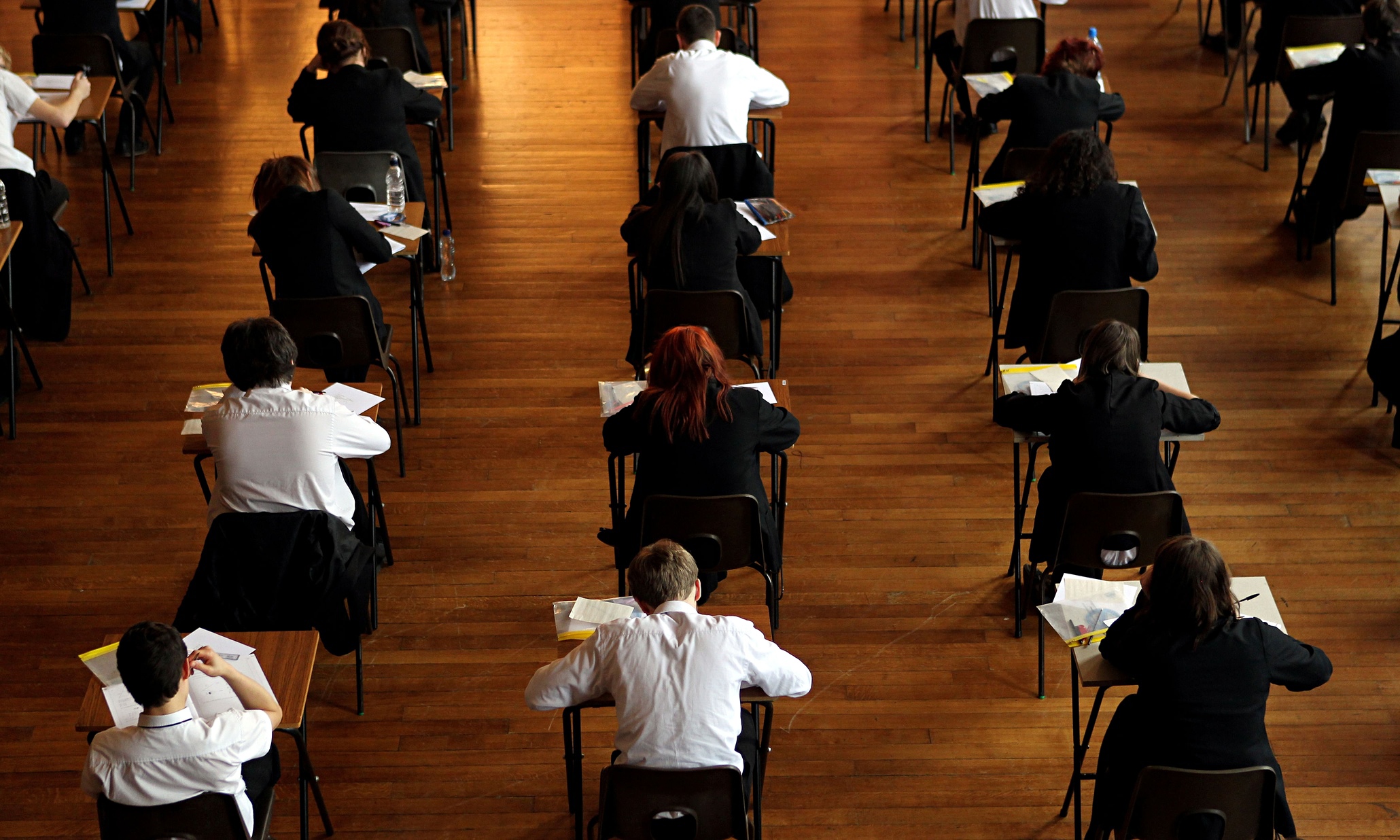
Nearly 200 secondary schools in England have found themselves under intense scrutiny after failing to meet a critical government benchmark for GCSE pass rates. This alarming figure emerged following the release of the latest exam league tables, which revealed that approximately 195 schools did not achieve the minimum threshold of having at least 40% of their pupils secure five A* to C grade passes, including the essential subjects of maths and English. This shortfall has triggered serious concerns among education leaders, casting a shadow over the performance and future of numerous institutions across the country.
__IMAGE_PLACEHOLDER_1__
The Implications of Missing the GCSE Threshold
The government’s target for GCSE passes serves as a key performance indicator for secondary schools, designed to ensure students attain a foundational level of academic achievement. Schools failing to meet this 40% benchmark face significant consequences, such as potential closure, forced conversion into academies, or leadership changes including the dismissal of headteachers. This policy underscores the government’s commitment to raising educational standards but also places immense pressure on schools struggling to meet these targets.
Notably, the impact of last year’s GCSE English grading controversy continues to resonate. During that period, the boundary for a C grade pass was controversially raised between the January and June exam sittings, a move that distorted performance data and unfairly penalized certain schools. Brian Lightman, general secretary of the Association of School and College Leaders, pointed out that this grading fiasco has skewed this year’s results, particularly in English, affecting schools’ ability to hit the government’s floor targets.
Adding to the complexity, the High Court is set to make a ruling on whether a judicial review of last year’s grading decisions should proceed, highlighting the ongoing legal and political ramifications surrounding the grading system. Had the 40% target been applied retroactively to last year’s data, an additional 51 schools would have been added to the failing list, amplifying the scale of the challenge faced by the education sector.
__IMAGE_PLACEHOLDER_2__
The Role and Performance of Academies
The league tables reveal that around 60 of the schools on the bottom 200 list are government academies, despite the overall academy sector showing a notable 3.1 percentage point improvement in GCSE results, five times the average increase seen nationally. This paradox highlights the uneven progress within the academy system and poses a dilemma for Education Secretary Michael Gove, who must now determine how to respond to the significant number of academies falling short of the mandated floor standards.
Christine Blower, general secretary of the National Union of Teachers, emphasized the accountability issues surrounding academies. Unlike traditional schools, local authorities no longer possess the authority to intervene directly in academies facing performance problems. Instead, that responsibility has shifted squarely onto the Secretary of State for Education, making it clear that the government must take a more hands-on approach in overseeing and improving struggling academies.
Curriculum Choices and University Preparedness
Beyond GCSE outcomes, concerns also extend to A-level results, particularly regarding students’ readiness for admission to top universities. Dr Wendy Piatt, director general of the Russell Group, which represents 24 prestigious research-intensive universities, stressed the importance of subject choices at A-level. She pointed out that too few students understand that selecting the right combination of “facilitating” subjects is crucial for keeping options open for competitive degree courses.
This highlights a broader educational challenge: aligning school curricula with higher education requirements and future career pathways. The government’s new English Baccalaureate (EBacc) framework, which aims to encourage students to study a core set of academic subjects (English, maths, sciences, a foreign language, and a humanities subject), has seen limited uptake. Only about 16% of pupils achieved the EBacc benchmark this year, marking a marginal increase of just one percentage point despite mounting pressure on schools to encourage participation in these subjects.
__IMAGE_PLACEHOLDER_3__
Notable School Performances and Curriculum Innovations
Among the high achievers, Colyton Grammar School in Devon stood out with 117 pupils obtaining at least five top-grade GCSE passes, showcasing the potential for excellence within the state sector. Conversely, the lowest-ranked school on the list was Pate’s Grammar School in Cheltenham, a selective state grammar school that deliberately opted out of entering pupils for the GCSE English exam. Their rationale was that the English syllabus did not sufficiently challenge their students.
Headteacher Russel Ellicott explained that Pate’s made a strategic decision to adopt the International GCSE (IGCSE) curriculum for English, which is based on the older O-level system and not currently counted in the official league tables. The school believes this curriculum offers greater depth and rigor, focusing on fewer texts but encouraging detailed analysis, thus better preparing students for higher education demands.
Meanwhile, the data also show a positive trend in the adoption of the EBacc within academies, with 88% now offering this suite of subjects, an increase of six percentage points from the previous year. This suggests growing alignment with government priorities, though the overall pace of improvement remains slow.
__IMAGE_PLACEHOLDER_4__
Why This Matters: The Future of Secondary Education in England
The release of these league tables serves as a stark reminder of the ongoing challenges faced by many secondary schools in England. Meeting government-imposed targets remains a complex issue influenced by grading controversies, curriculum choices, and systemic accountability changes. The fact that nearly 200 schools are struggling to reach the 40% GCSE pass threshold underscores a broader concern about educational equity and quality across the country.
For policymakers, educators, and parents alike, these results highlight the urgent need for strategic interventions that address not only raw exam outcomes but also the factors that influence student engagement and achievement. Schools must balance pressure to meet numerical targets with a commitment to delivering meaningful and challenging curricula that prepare pupils for the demands of further education and the workforce.
As the government navigates the delicate task of enforcing standards while supporting struggling institutions, the sector awaits clarity on the outcomes of the ongoing legal challenges and future policy adjustments. Ultimately, the goal remains clear: to ensure all students have access to high-quality education that equips them with the knowledge and skills necessary to succeed.