Two British soldiers “overreacted and lost control” during a deadly 1972 shooting in Belfast that claimed the lives of five people, including three teenagers and two adults, a recent inquest has concluded. The ruling sharply criticized the soldiers’ use of force as “not reasonable,” dismantling the long-held narrative that the shootings were a response to a coordinated armed attack.
What Happened on 9 July 1972?
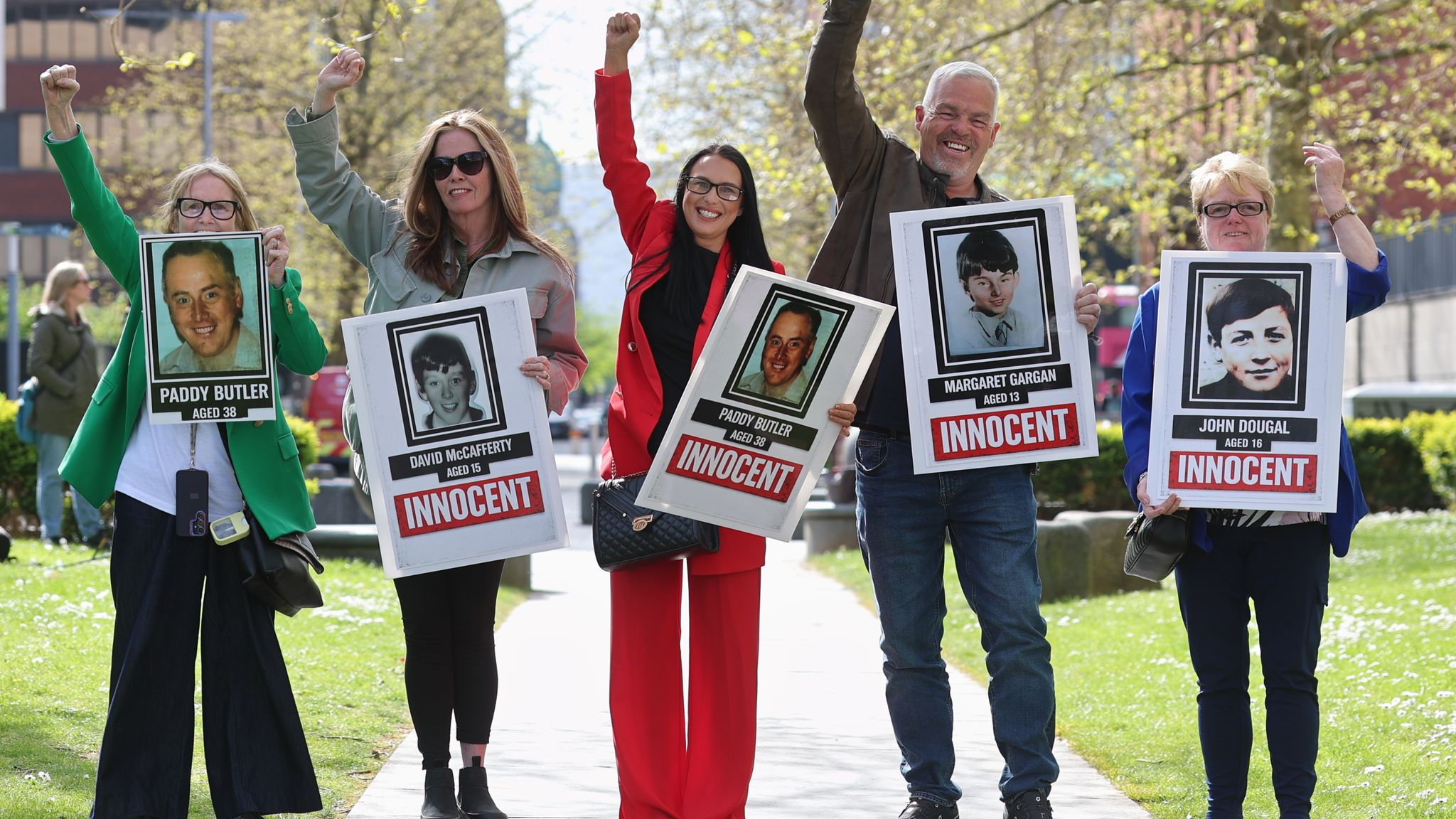
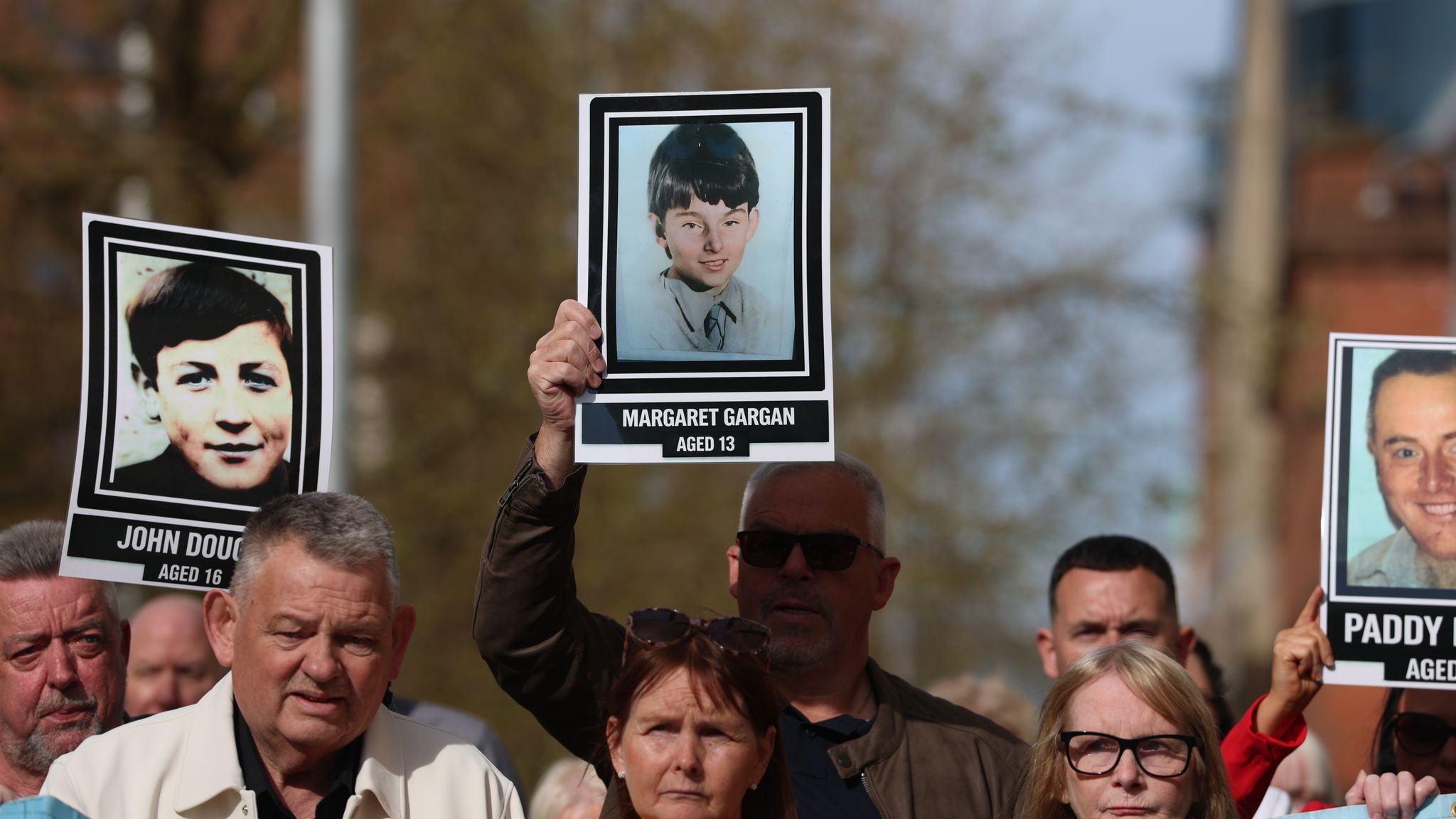
On a tense summer day in Belfast’s Springhill and Westrock neighborhoods, five individuals were fatally shot by soldiers stationed at Corry’s Timber Yard. The victims were John Dougal (16), David McCafferty (15), Margaret Gargan (13), Father Noel Fitzpatrick (42), and Patrick Butler (38). Four of these victims were unarmed and had no involvement in any attacks on the British Army, according to the coroner’s findings.
John Dougal, affiliated with a junior wing of the IRA, may have possessed a firearm, but the inquest found he was not actively using it and was likely fleeing when shot in the back. Father Fitzpatrick and Patrick Butler were struck by the same bullet as they crossed a road from an alleyway, while David McCafferty, also linked to the IRA’s youth branch, was killed while attempting to retrieve the priest’s body.
Margaret Gargan, a 13-year-old girl talking with friends on the pavement, was shot in the head by a soldier identified as ‘Soldier E’ without any prior warning or provocation from her location.
Soldiers Fired Prematurely Without Warning
The inquest revealed that ‘Soldier A’, who fired the shots that killed Dougal, McCafferty, Father Fitzpatrick, and Butler, was less than 100 meters away at the timber yard. The coroner concluded that this soldier fired prematurely, without issuing any warning or properly assessing whether those he shot posed a threat.
Both soldiers involved failed to follow protocols that might have prevented the tragedy. The coroner condemned their actions as a loss of control under pressure rather than a justified military response to an attack.
Context and Implications of the Inquest Findings
The shootings occurred during the deadliest year of the Troubles, a violent conflict in Northern Ireland that resulted in nearly 500 deaths in 1972 alone. The same year also saw the infamous Bloody Sunday massacre, where British soldiers shot 13 civil rights protesters.
Tensions were particularly high on 9 July 1972 after an IRA ceasefire collapsed, leading to unrest in west Belfast’s Lenadoon area. The soldiers at Corry’s Timber Yard were likely nervous and fearful amid this volatile environment. However, the inquest rejected the soldiers’ claims that they were responding to a “co-ordinated attack by a mass of gunmen,” noting that radio logs and evidence “hugely undermine” this narrative.
Mr Justice Scoffield, presiding over the inquest, acknowledged that sporadic firing by civilians may have influenced the soldiers but emphasized their youth, inexperience, and lack of understanding of the political context. Their “ignorance” and heightened anxiety contributed to their disproportionate and fatal response.
Families Demand Truth and Accountability
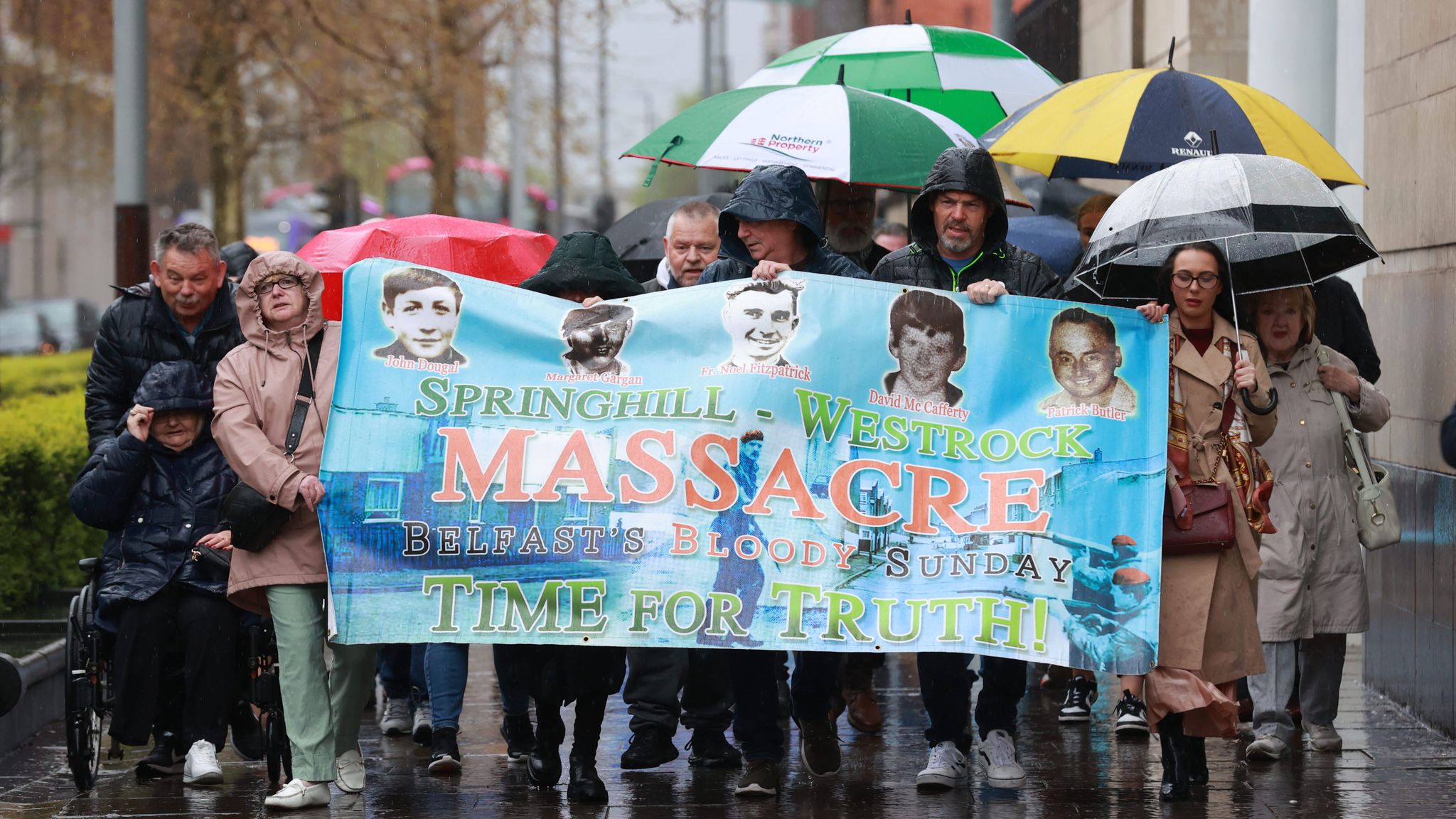
Relatives and supporters of the victims, including former Sinn Féin leader Gerry Adams and West Belfast MP Conor Maskey, have long sought acknowledgment and clarity about the incident. They recently marched to Belfast Coroner’s Court carrying a banner reading “time for truth,” highlighting the enduring demand for justice and transparency.
The Legacy of the Inquest and What It Means
This inquest, which concluded after more than 70 days of evidence and hearings, was the last of a series of Troubles-related investigations completed before the introduction of the Legacy Act—a controversial law currently being reconsidered by the Labour government. The fresh inquest ordered in 2014 overturned the original 1973 verdict, which had returned an open verdict, providing a more definitive perspective on the soldiers’ actions.
The findings underscore the complexities of military engagement during the Troubles and the tragic consequences of misjudgment amid conflict. They also emphasize the importance of accountability and truth in healing divisions that persist decades later.
Looking Ahead
While the inquest sheds light on this tragic chapter of Northern Ireland’s history, it also raises broader questions about how armed forces operate in conflict zones and the necessity of rigorous oversight to prevent similar incidents. For the families of the victims and the wider community, the ruling represents both a step toward justice and a call to remember the human cost of the Troubles.
As Northern Ireland continues to navigate its complex legacy, this case serves as a stark reminder of the need for careful, measured responses in moments of crisis and the enduring quest for truth and reconciliation.