Wales, once the unshakable heartland of the Labour Party, has delivered a seismic political upheaval that reshapes its landscape forever. For over a hundred years, Welsh politics and Labour were intertwined, but Friday’s election results have severed that historic bond.
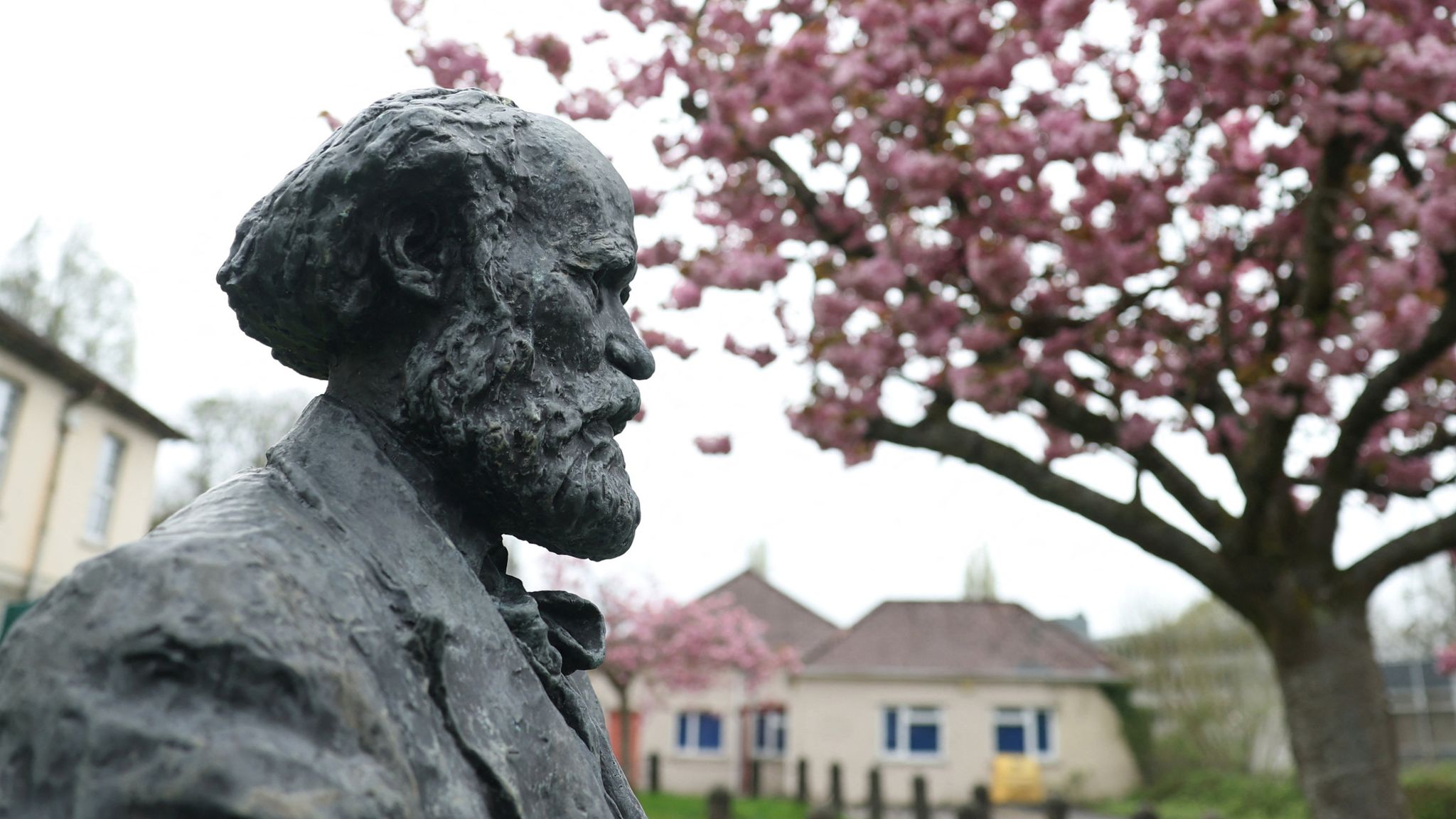
Labour’s Legacy in Wales: From Giants to Ground Zero
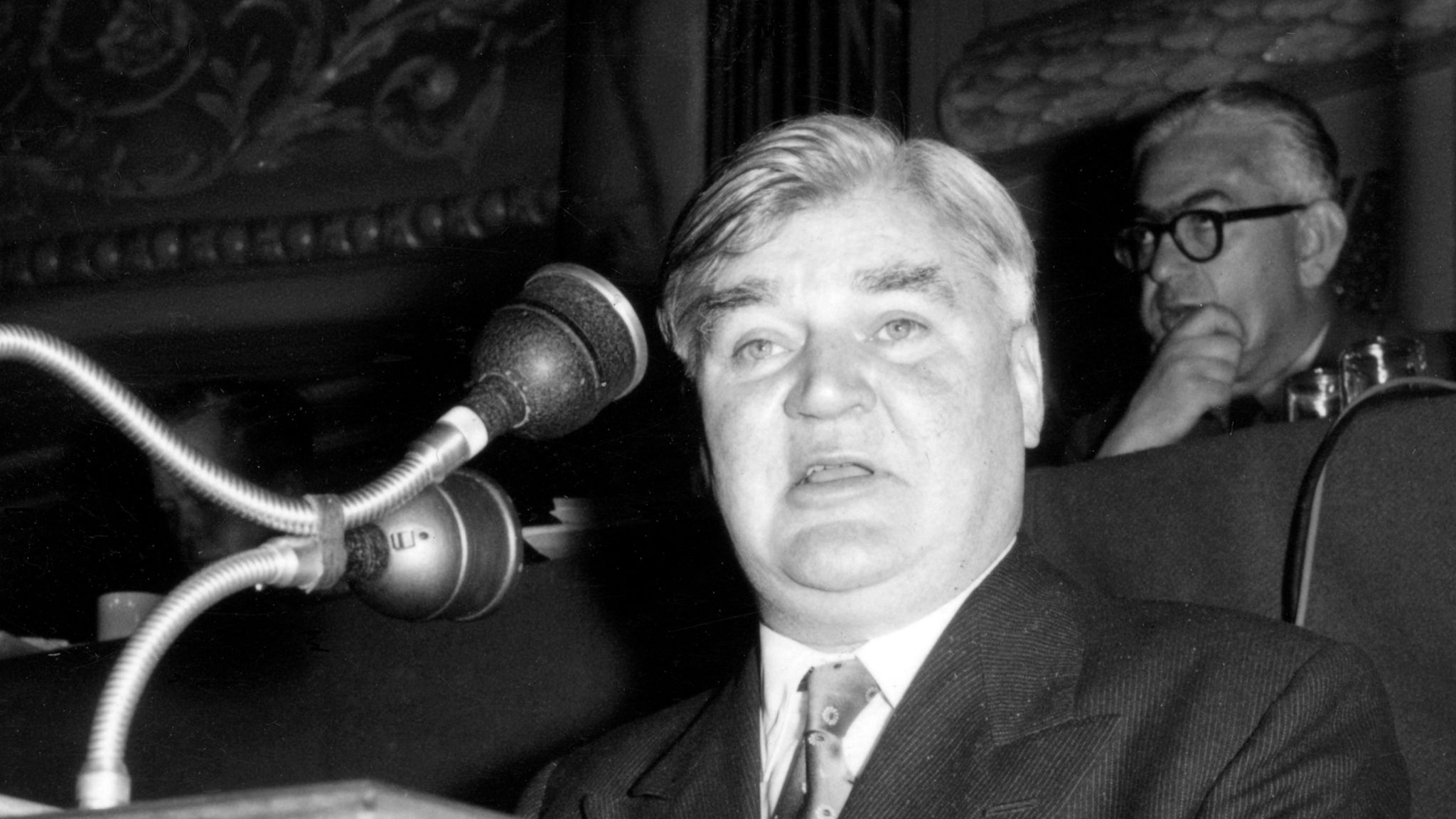
The Welsh valleys and industrial towns that birthed and sustained Labour legends—Keir Hardie, Aneurin Bevan, Michael Foot, James Callaghan, and Neil Kinnock—have long symbolized the party’s enduring strength. The mining communities and working-class neighborhoods of south Wales formed the backbone of Labour’s identity and political dominance.
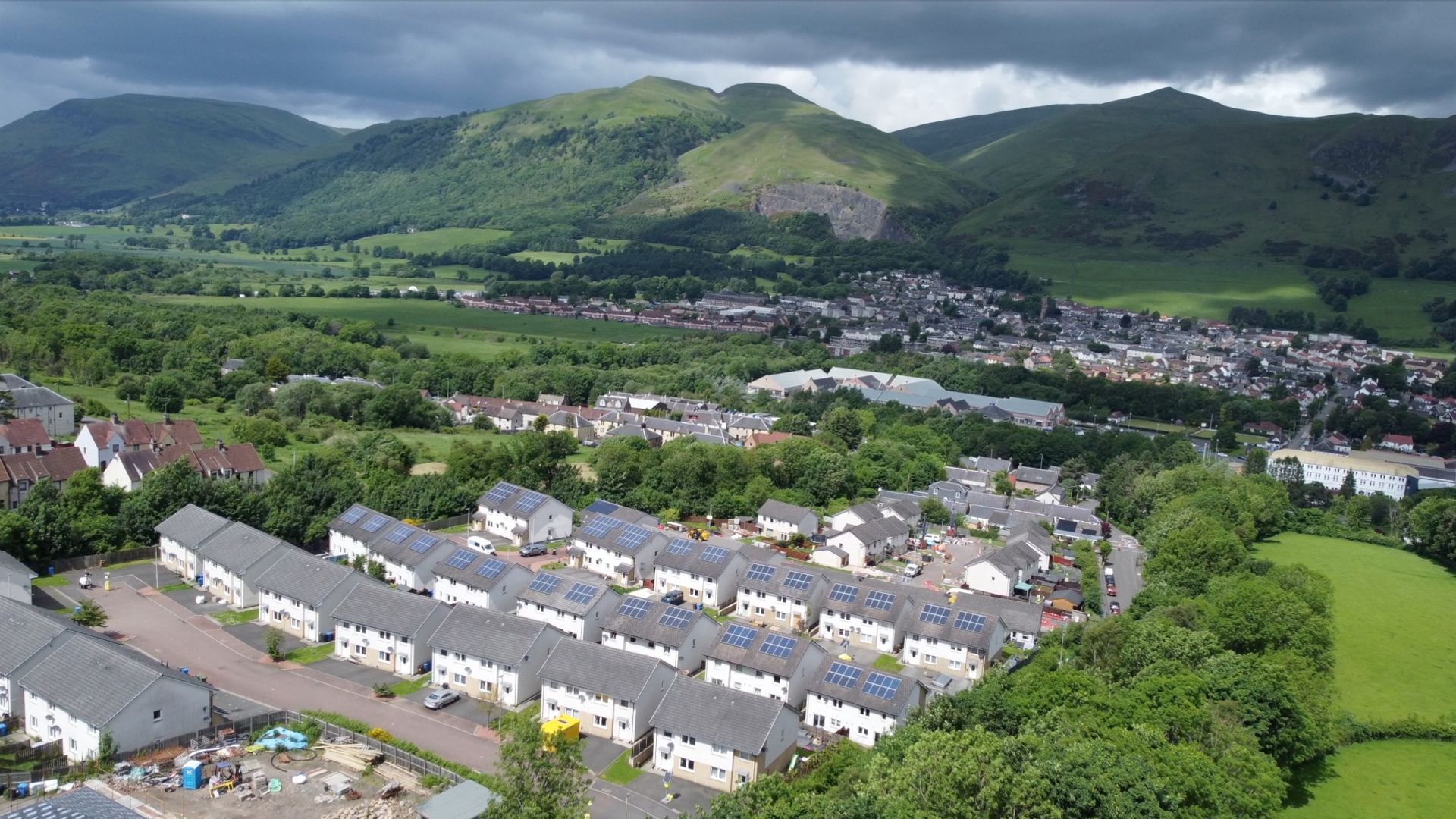
Yet, in a stunning reversal, these very communities delivered a crushing blow. Voters turned away from Labour in record numbers, overwhelmingly backing Plaid Cymru and Reform UK. The party’s support plunged to historic lows, capturing only six of 42 seats in south Wales.
The Collapse of Labour’s Welsh Heartlands
Labour failed to secure a single seat in Blaenau Gwent, Caerffili, and Rhymni—the iconic valleys that once propelled Bevan and Foot to Westminster. This dramatic shift marks the end of an era where “Labour Wales” was a self-evident truth.
Electoral Earthquake: Plaid Cymru and Reform UK Surge Forward
The political map of Wales has been fundamentally redrawn. Plaid Cymru emerged as the dominant force with 43 seats, seizing the mantle as the largest party by a significant margin. Reform UK surged to second place with 34 seats, while Labour was relegated to a mere nine seats overall.
Welsh Labour Leader Issues Stark Warning
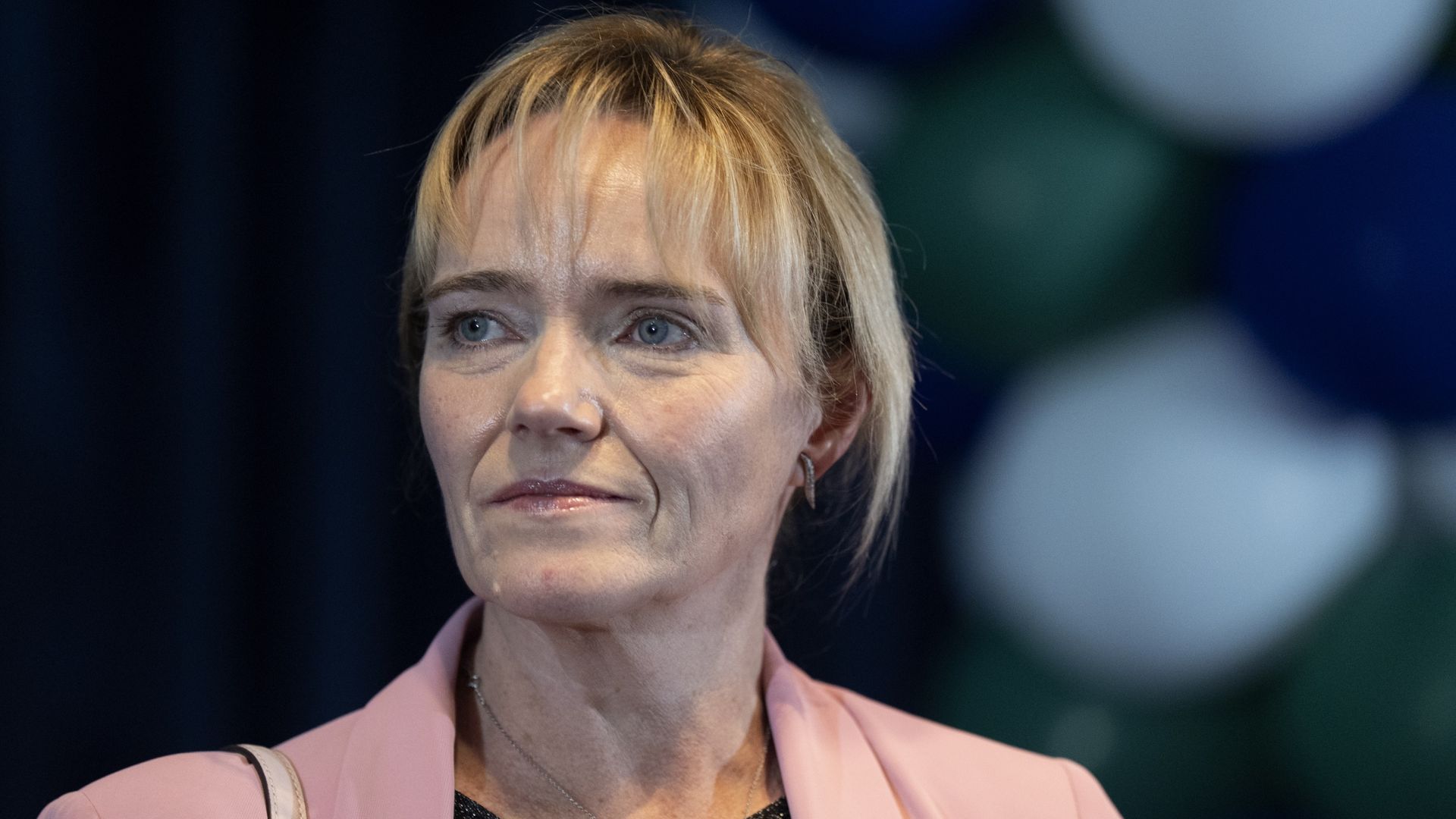
First Minister Eluned Morgan acknowledged the magnitude of Labour’s defeat, calling it a “catastrophic result” that ends a century of dominance. She urged the party to confront the scale of its challenges head-on.
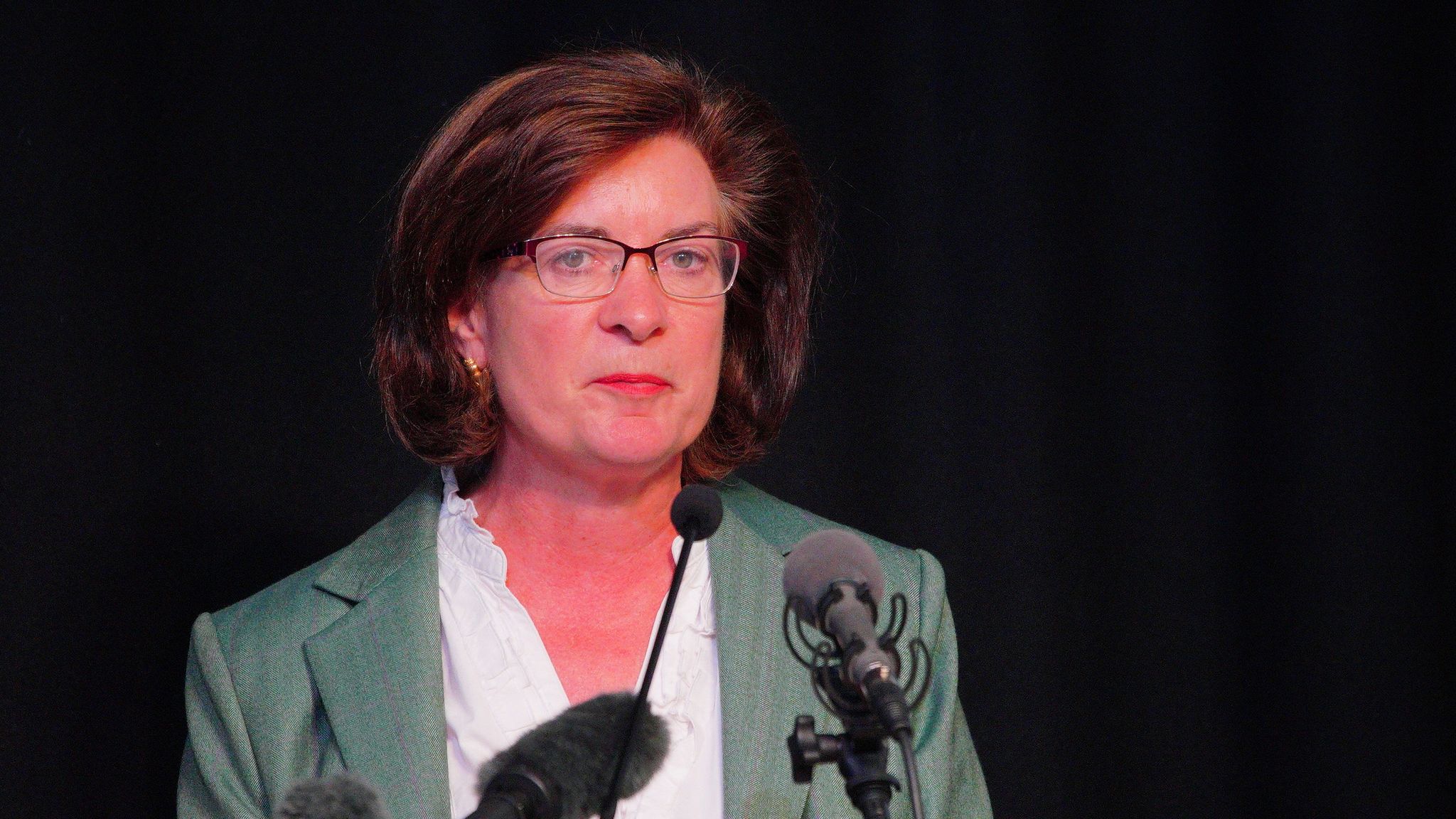
Despite the devastation across Wales, Scotland, and England, Morgan stopped short of demanding Sir Keir Starmer’s resignation. Instead, she emphasized the urgent need for Labour to reconnect with the working class and address wealth distribution.
Labour’s Uncertain Future in Wales
Inside Welsh Labour, the atmosphere is grim. The party grapples with a defeat few anticipated, prompting urgent questions about its path forward. Morgan resigned immediately after losing her own seat, triggering a leadership contest.
Labour insiders have named Ken Skates (MS for Flint and Wrexham) as a leading candidate to succeed her. Other potential contenders include Huw Thomas (MS for Caerdydd Penarth) and Mike Hedges (MS for Gwyr Abertawe). Former deputy first minister Huw Irranca-Davies is also in the mix, though he is expected to vie for the Senedd’s presiding officer role, Llywydd.
Party Momentum and Leadership Prospects
Momentum within Welsh Labour reportedly backs Skates, positioning him as the front-runner. Meanwhile, Irranca-Davies remains a key figure in reshaping the party’s future leadership dynamics.
The Road Ahead: Can Labour Reclaim Its Welsh Roots?
As Morgan departed the election count, her parting words captured both resolve and uncertainty: “We know in the Labour Party we have tough days ahead, but we are confident that the sun will shine again.”
However, with Plaid Cymru and Reform UK making historic inroads into Labour’s traditional strongholds, and with a beleaguered prime minister in Westminster, Labour’s path to political revival in Wales looks steep and uncertain.