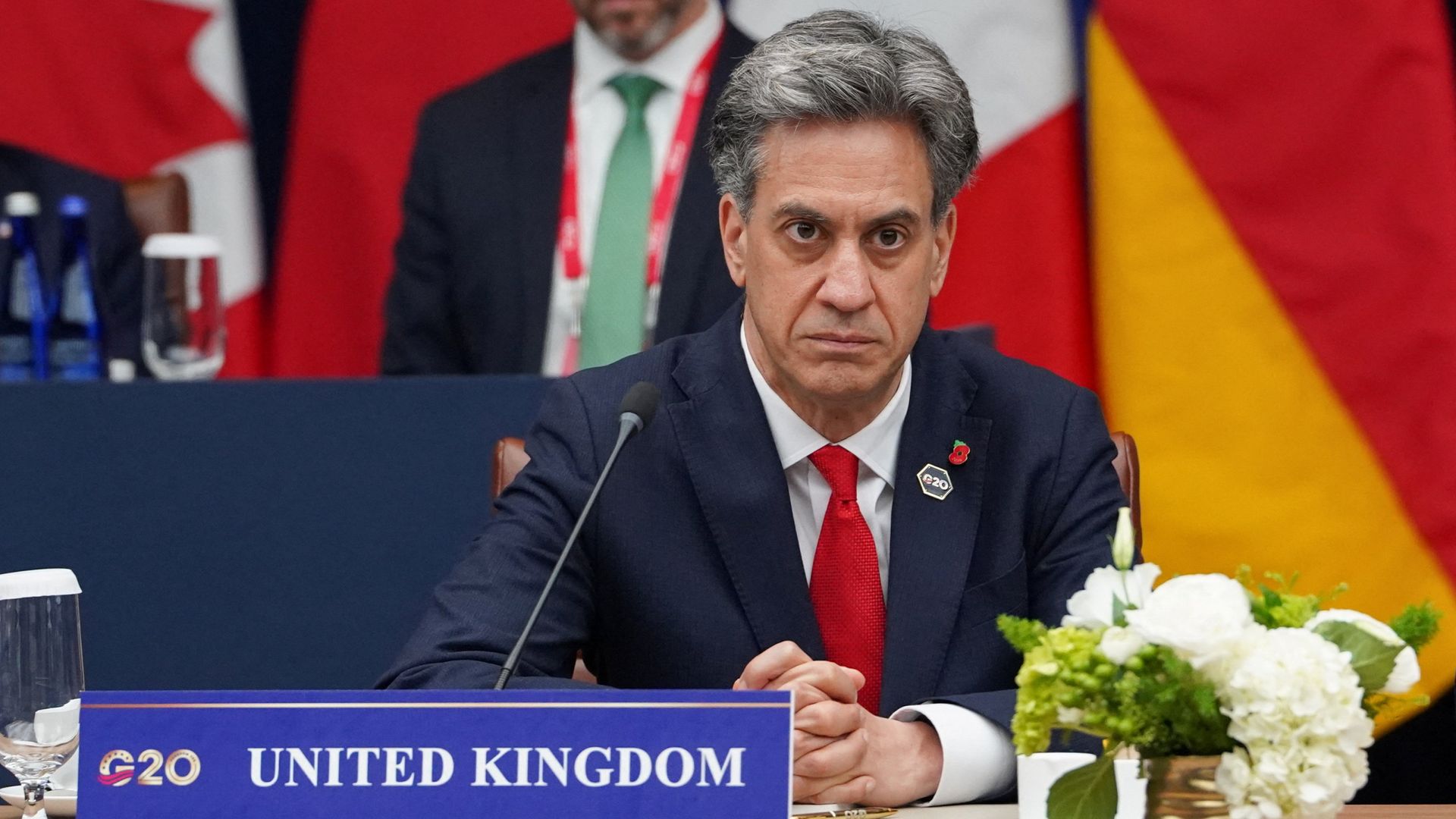
A planned photocall featuring foreign ministers at the G20 summit was abruptly cancelled after the UK’s Foreign Secretary Ed Miliband and several European counterparts declined to appear alongside Russia’s top diplomat Sergei Lavrov. This refusal prompted the United States to call off the group photo, marking a significant diplomatic rupture during the high-profile international meeting.
What Happened: Photocall Scrapped Due to Lavrov’s Presence
The G20 summit, designed as a platform for global economic and political dialogue among the world’s leading economies, was disrupted when controversy arose over the inclusion of Russian Foreign Minister Sergei Lavrov in the official foreign ministers’ photograph. The UK’s Foreign Secretary Ed Miliband, backed by a coalition of European foreign ministers, took a firm stand by refusing to be photographed with Lavrov.
This collective decision was a protest against Russia’s ongoing geopolitical actions that have drawn widespread international condemnation. The refusal by Miliband and his European peers underscored the growing isolation of Russia within diplomatic circles, particularly in Western-led forums.
In response to this diplomatic standoff, the United States, which was overseeing much of the logistical arrangements for the summit, decided to cancel the entire photocall rather than risk a visibly fractured image of unity among the G20 foreign ministers.
Why It Matters: Symbolism and Diplomatic Messaging at the G20
The cancellation of the photocall is more than a mere logistical hiccup—it carries deep symbolic weight. Photocalls at international summits are carefully orchestrated moments intended to project solidarity and cooperation among world leaders. The refusal to pose together sends a clear message of diplomatic disapproval and signals fractures within the global order.
Sergei Lavrov, Russia’s Foreign Minister, has become a polarizing figure due to Russia’s assertive foreign policies, including its involvement in Ukraine and contentious relations with Western nations. His exclusion from a group photo by leading European ministers reflects a broader strategy to diplomatically isolate Russia and pressure it to alter its course.
Ed Miliband’s stance aligns with the UK’s firm condemnation of Russian policies that challenge international norms and threaten regional stability. By joining other European ministers in this protest, Miliband emphasized the UK’s commitment to holding Russia accountable through diplomatic means.
The US decision to cancel the photocall rather than facilitate a divided image also highlights Washington’s delicate balancing act. The US aims to maintain coalition unity while acknowledging the tensions that Russia’s presence introduces to multilateral settings.
What Comes Next: Implications for G20 Diplomacy and Global Relations
The fallout from this incident at the G20 summit signals potential challenges ahead in diplomatic engagements involving Russia. The refusal to share a public platform with Lavrov foreshadows continued difficulties in achieving consensus on key international issues where Russia’s interests clash with those of Western countries.
This episode could lead to further diplomatic isolation for Russia within forums like the G20, potentially impacting negotiations on economic cooperation, security, and global governance. It also reveals how symbolic gestures, such as group photographs, serve as powerful tools in international diplomacy to convey political stances and alliances.
For the G20, the cancellation of the photocall might prompt organizers to rethink how to manage the optics of inclusion and exclusion among member states with deeply conflicting agendas. Maintaining the delicate balance between engagement and condemnation will remain a central challenge for future summits.
Closing Takeaway: A Visual Sign of Growing Diplomatic Divides
The cancellation of the G20 foreign ministers’ photocall after Ed Miliband and other European ministers refused to be pictured with Sergei Lavrov starkly illustrates the widening diplomatic chasms within the international community. Beyond the immediate disruption, this incident reflects the evolving geopolitical landscape where symbolic acts carry significant weight in signaling alliances and disagreements.
As global tensions persist, such moments underscore the complexities of diplomacy amid conflict and the ongoing efforts by Western nations to apply pressure through both public and private channels. The G20 summit, while a forum for dialogue, also reveals the limits of consensus when fundamental geopolitical conflicts remain unresolved.