Britain’s iconic chip shops face a storm of soaring costs as the conflict in Iran drives inflationary pressure across the food industry. The Bank of England’s governor sounded the alarm on Thursday, highlighting that the indirect inflationary impact of the Iran war will hit food prices hardest, sparking grave concerns for the nation’s favourite comfort food.
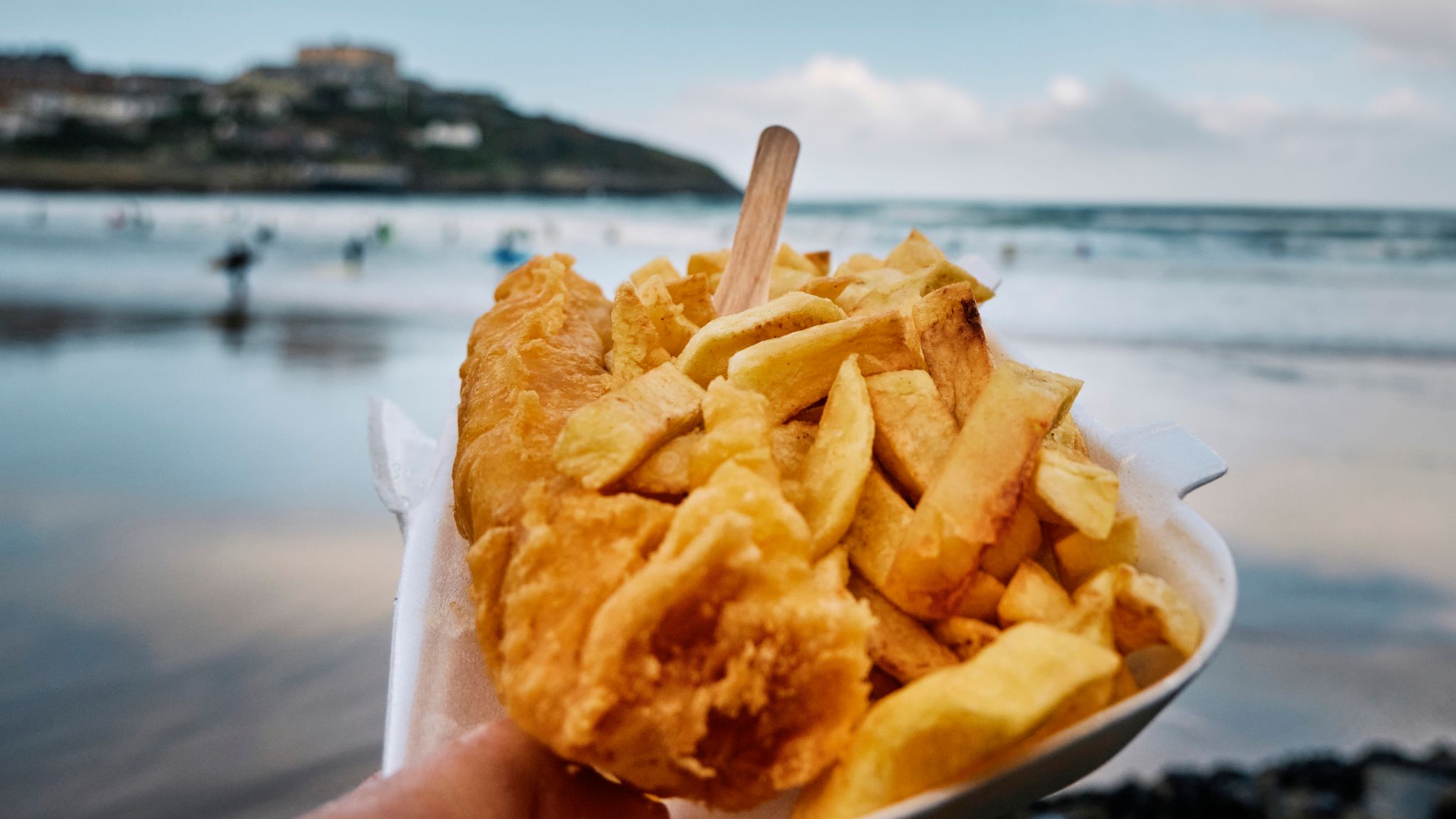
Why Chips Are on the Frontline of Inflation
Scott Walker, CEO of GB Potatoes, explains that the potato sector’s unique contracting system delays the full brunt of price increases, but warns that 2027 will see “inevitable” cost hikes. The UK’s potato producers typically lock in prices annually, providing short-term stability. However, increasing expenses for energy, fertiliser, packaging, and wages are converging to push prices upward.

“At the moment, consumers shouldn’t expect to pay more for raw potatoes,” Walker said. “But beyond this year, the rising cost of red diesel—which has more than doubled—and surging fertiliser prices will force prices higher.” He stressed that additional costs from government taxes and labour demands compound the problem. Weather also threatens to escalate costs, as dry spells require diesel-powered irrigation, adding further strain to farmers’ budgets.
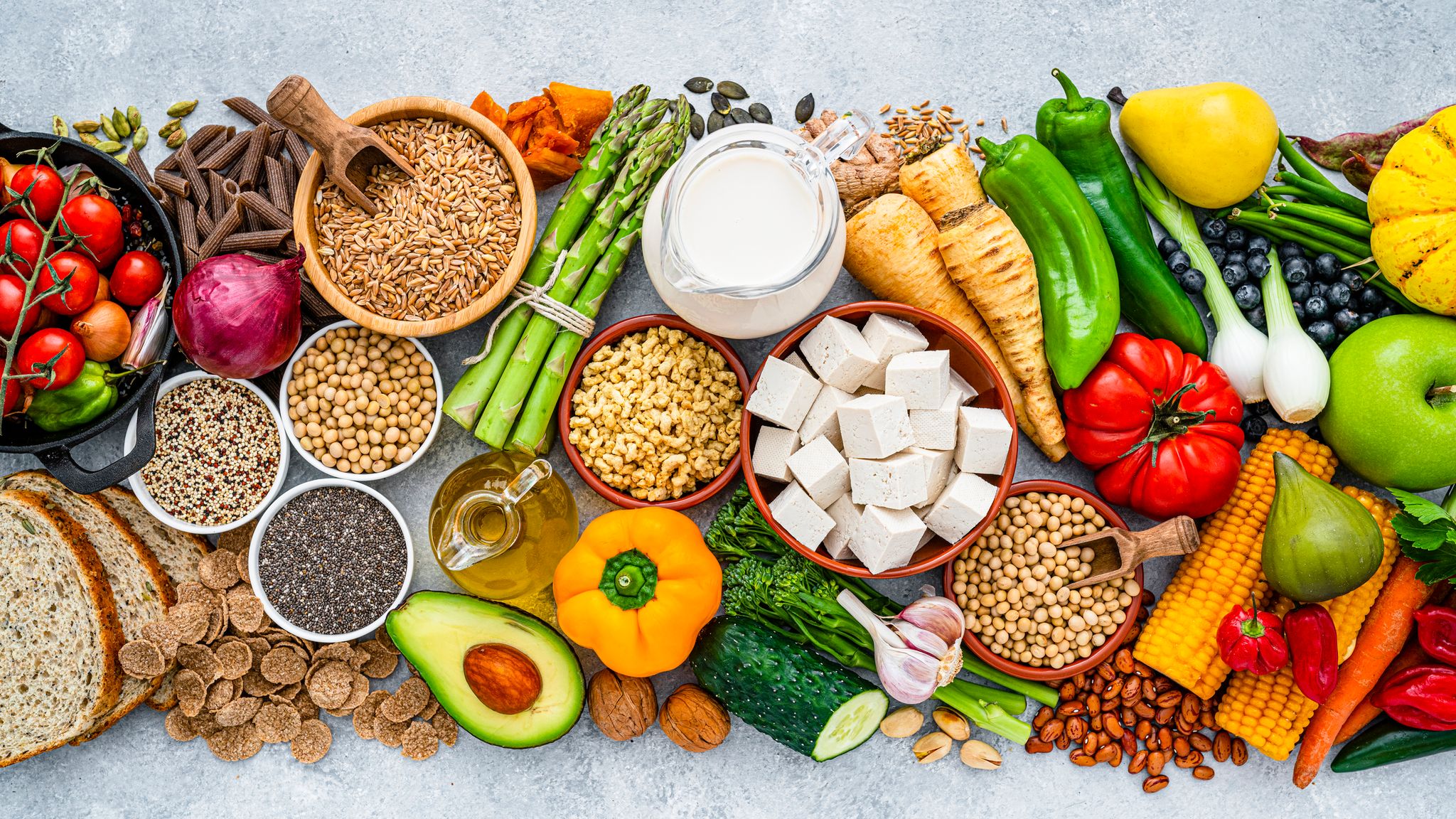
Fish & Chip Shops Brace for Immediate Challenges
The National Federation of Fish Fryers reports that already rising expenses for cooking oil, energy, and fish are forcing some outlets to shrink portion sizes or raise prices. They warn this pressure could accelerate the wave of shop closures experienced this decade, threatening the future of a cherished British institution.

Crisp Makers Face a Similar Squeeze
Mike Russell Smith, co-founder of Savoursmiths luxury crisps, echoes the warnings. Despite a recent potato surplus in Europe keeping raw material costs low, the company grapples with doubling sunflower oil prices stemming from the Russia-Ukraine conflict. Labour, harvesting, production, and cold storage costs have also surged.
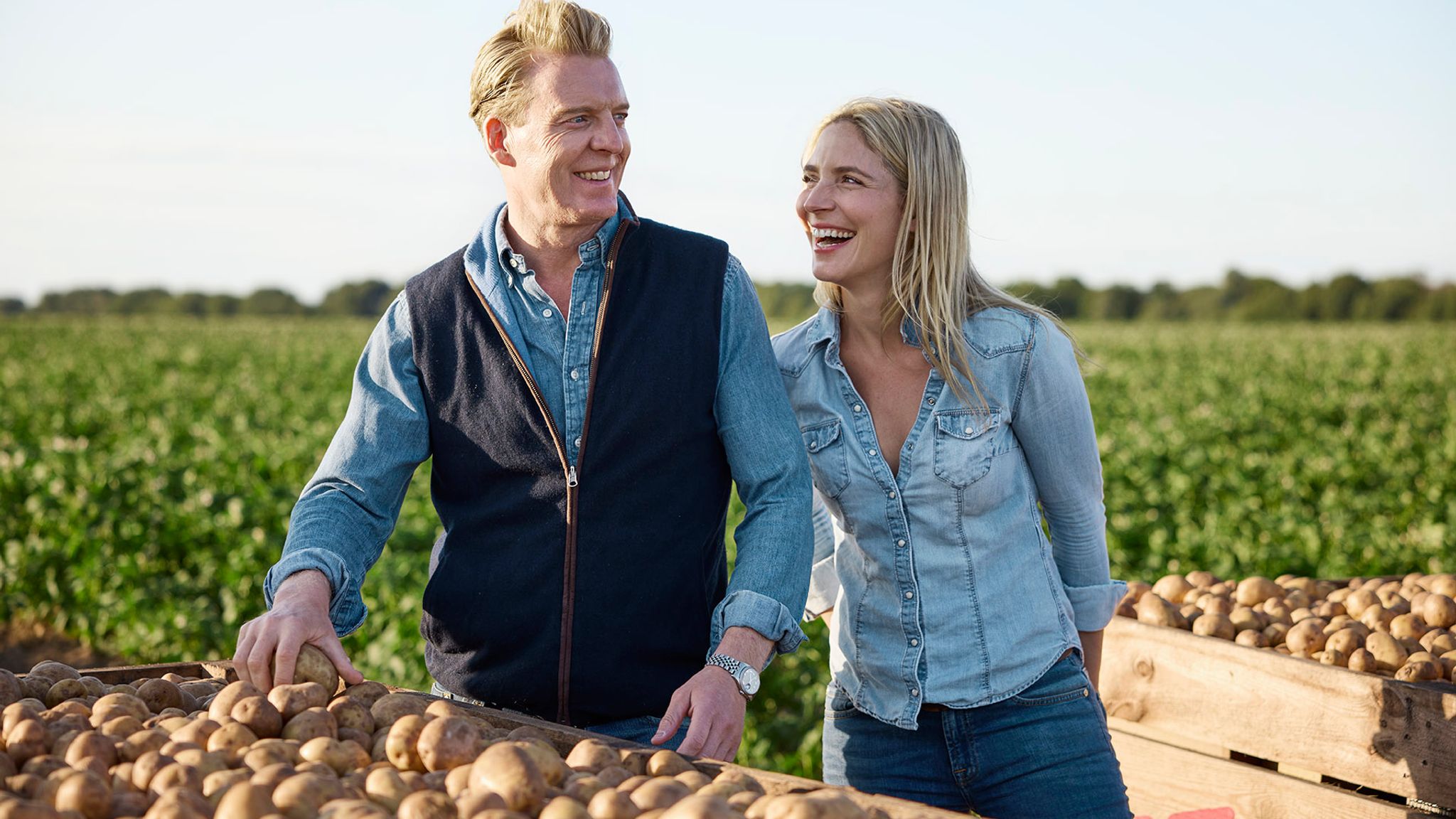
“The potato price softness is heavily outweighed by soaring energy and oil prices,” Russell Smith said. “By 2027, we’ll have no choice but to review pricing in a fiercely competitive market. There comes a point where costs are unsustainable.”
The Industry Calls for Government Support
Walker made a direct appeal for regulatory relief and support on energy costs. “Most pressures are outside our control. We urge the government to ease regulations, especially regarding water access, to safeguard food security. Allowing farmers to store water is critical for resilient potato production,” he said.
Government Response
A government spokesperson affirmed: “We are closely monitoring the Iran war’s impact on the food and farming sectors. The UK’s food system remains resilient, and we do not currently anticipate supply shortages. We continue engaging with stakeholders, including farmers’ unions, to address rising fuel and oil prices.”
What Lies Ahead for Britain’s Favourite Food?
As the reverberations of Middle East tensions ripple through global markets, British consumers face a future of rising prices for chips and crisps alike. While short-term contracts provide a temporary buffer, the combined surge in energy, fertiliser, and packaging costs signals a challenging road ahead for producers and the nation’s treasured chip shops.